proomt

Search

Search posts, papers, and topics

All posts

The Daily WTFRemy Porter4 min readintermediate

The Weakest Leg

Summary

A life insurance company, TruStage, suffered a severe cybersecurity incident in July 2026, leading to months-long operational paralysis, inability to process payments, and policy lapses. This failure cascaded through its partner network, culminating in a public humiliation of a partner's representative at an industry conference.

  • A major cybersecurity incident can halt critical business functions for months, even payment processing.
  • Operational failures in one part of a complex business chain can cause significant financial and reputational damage to partners.
  • Lack of robust disaster recovery planning can lead to terminal business events and widespread legal issues.
  • Publicly shaming partners for shared failures reflects poorly on all parties involved and highlights industry dysfunction.

Engineers and business leaders should care about this as a stark case study in the critical importance of cybersecurity, disaster recovery, and supply chain resilience, demonstrating how a single point of failure can cripple an entire ecosystem.

7/10
Related reading

  1. September 16, 2026 security incident: how we responded to a LiteSpeed zero-day attack

    Hostinger detected a zero‑day exploit in LiteSpeed Web Server on a Brazil server on Sep 16 2026, giving the attacker root access and compromising 399 accounts. The team isolated the server, coordinated with LiteSpeed to patch the vulnerability, rolled out the fix fleet‑wide, and restored affected sites from backups within the same day.

    Hostingerhostinger.com2 minpostmortem
  2. What Sun got wrong

    The author reflects on Sun Microsystems, arguing that despite strong technology, Sun failed because it grew bored with the mechanics of running a business—illustrated by a 2005 startup’s experience where Sun’s sales response was slow and mismatched while Dell’s personal rep closed the deal quickly. The story warns engineers and founders that operational discipline is as critical as technical visi…

    Lobstersdtrace.org3 minHN525311lobste.rs104
  3. Poisoned Documents, Real Risks: Sebastián Passaro Puts AI’s Weakest Link to the Test at Testear.la 2026

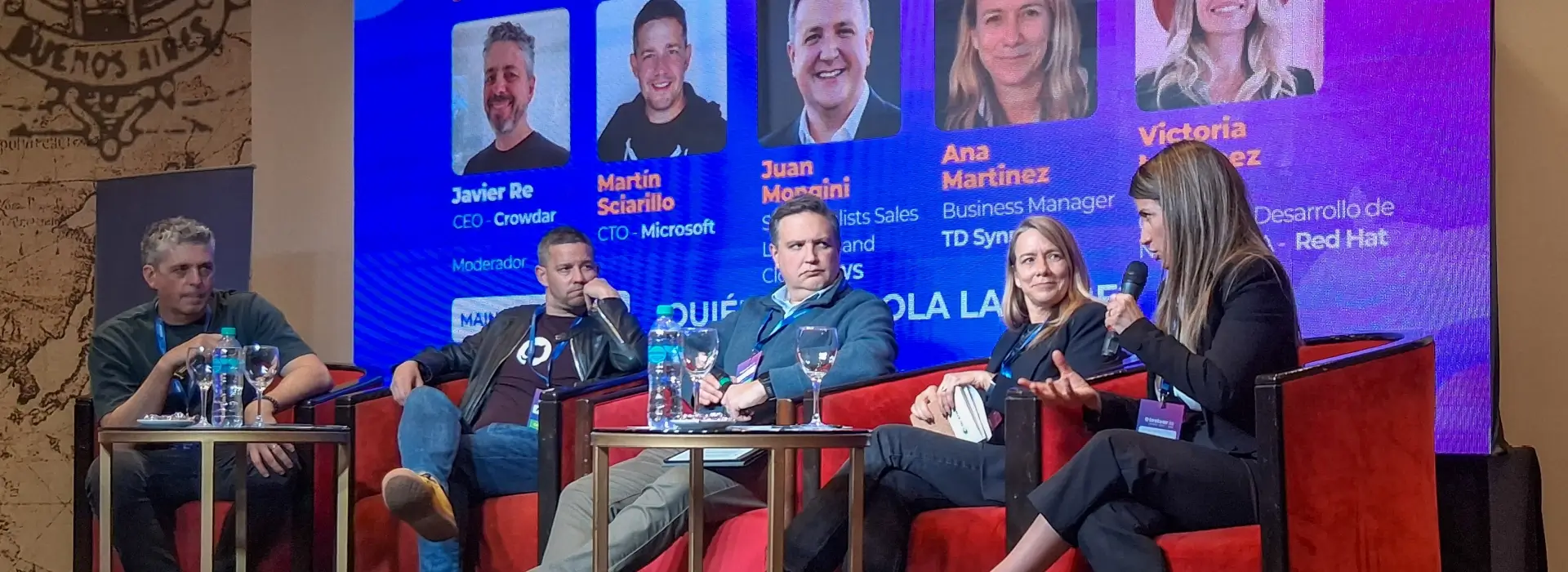
    Sebastián Passaro (Qubika) demonstrated a live RAG pipeline attack at Testear.la 2026, showing how a single poisoned document can hijack LLM outputs and trigger unsafe actions. He tied the demo to the OWASP LLM Top 10, highlighted open‑source tooling for finding such weaknesses, and advocated a defense‑in‑depth threat model for QA teams. The talk reframed AI from a testing aid to a security surfa…

    Moove-itqubika.com4 min
  4. Korea raises data breach fines to 10% of revenue

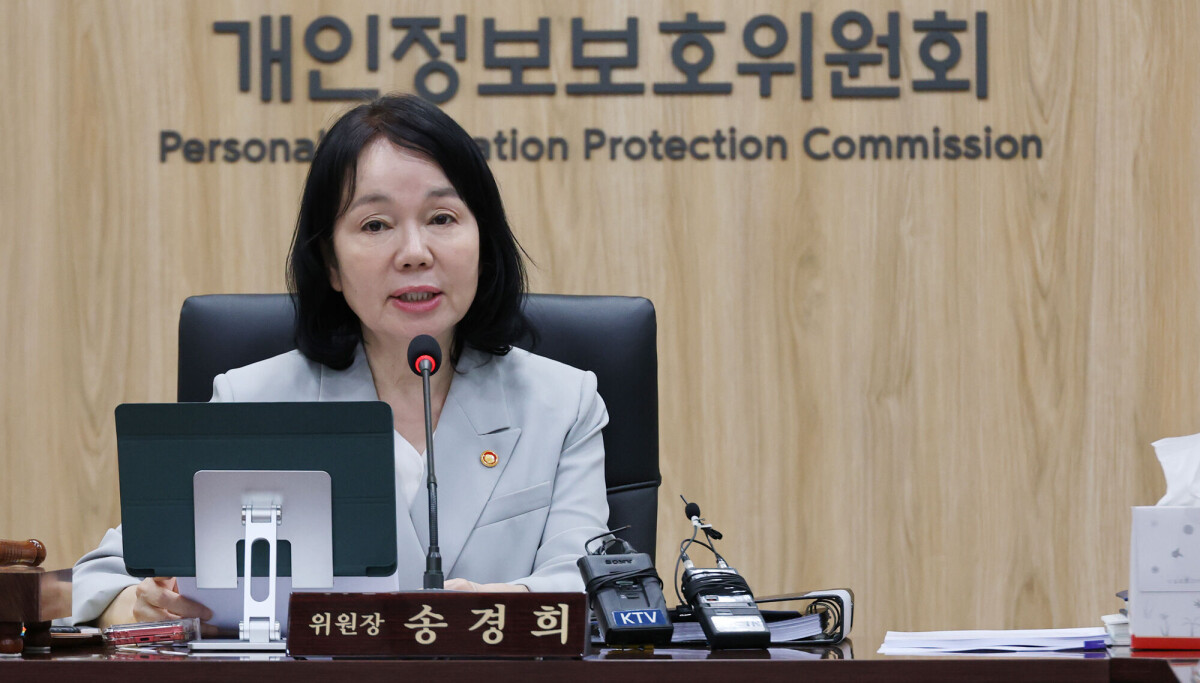
    South Korea’s privacy regulator will fine companies up to 10 % of revenue for large‑scale data breaches, a jump from the previous 3 % cap. The rule applies to intentional or grossly negligent leaks affecting 10 M+ people, with reductions for proactive security investments and rapid breach response. Companies must also notify users within 72 hours of a high‑risk exposure.

    Hacker News front pagekoreajoongangdaily.com3 minHN335113