proomt

Search

Search posts, papers, and topics

All posts

Real Python10 min readintro
11 Beginner Tips for Learning Python Programming

Summary

This article provides 11 tips for beginners learning Python programming, focusing on consistent practice, effective study habits, and collaborative learning. It covers strategies like daily coding, using the interactive shell, taking breaks, and pair programming to solidify understanding.

  • Code daily to build muscle memory and consistency.
  • Use the interactive Python shell (REPL) for quick experimentation and debugging.
  • Take regular breaks, especially when debugging, to maintain focus.
  • Surround yourself with other learners and practice teaching concepts to solidify understanding.
3/10

Related reading

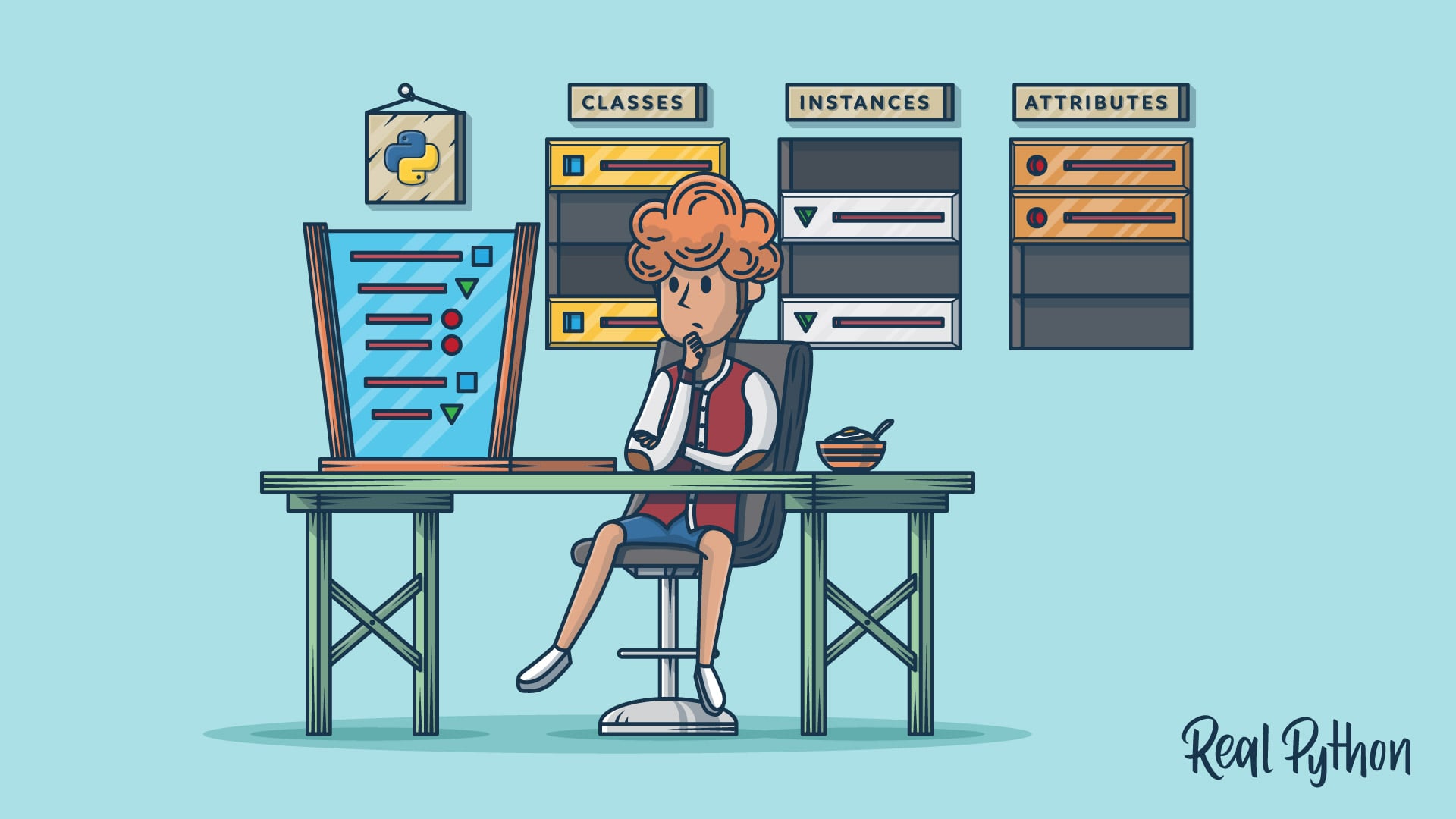
  1. Object-Oriented Programming (OOP) in Python

    This tutorial introduces Object-Oriented Programming (OOP) in Python, explaining how to define classes as blueprints and create objects from them. It covers core OOP concepts like encapsulation, inheritance, abstraction, and polymorphism, demonstrating class definition and instance creation with practical examples.

    Real Pythonrealpython.com27 minHN1
  2. How to Review AI-Generated Python Code Efficiently

    A practical five‑step workflow for reviewing AI‑generated Python code, covering intent clarification, automated quality checks (linters, type checkers, security scanners, tests), risk‑first manual reading, a checklist of common AI mistakes, and fix‑verify loops, plus a ready‑to‑use dev‑environment setup.

    Real Pythonrealpython.com26 min
  3. Quiz: Thinking Recursively in Python

    This is an interactive quiz from Real Python designed to test understanding of recursive thinking in Python. It covers identifying recursive structures, writing base and recursive cases, managing state, and using caching to avoid recomputation.

    Real Pythonrealpython.com1 min