proomt

Search

Search posts, papers, and topics

All posts

Real Python27 min readtutorialintro
Object-Oriented Programming (OOP) in Python

Summary

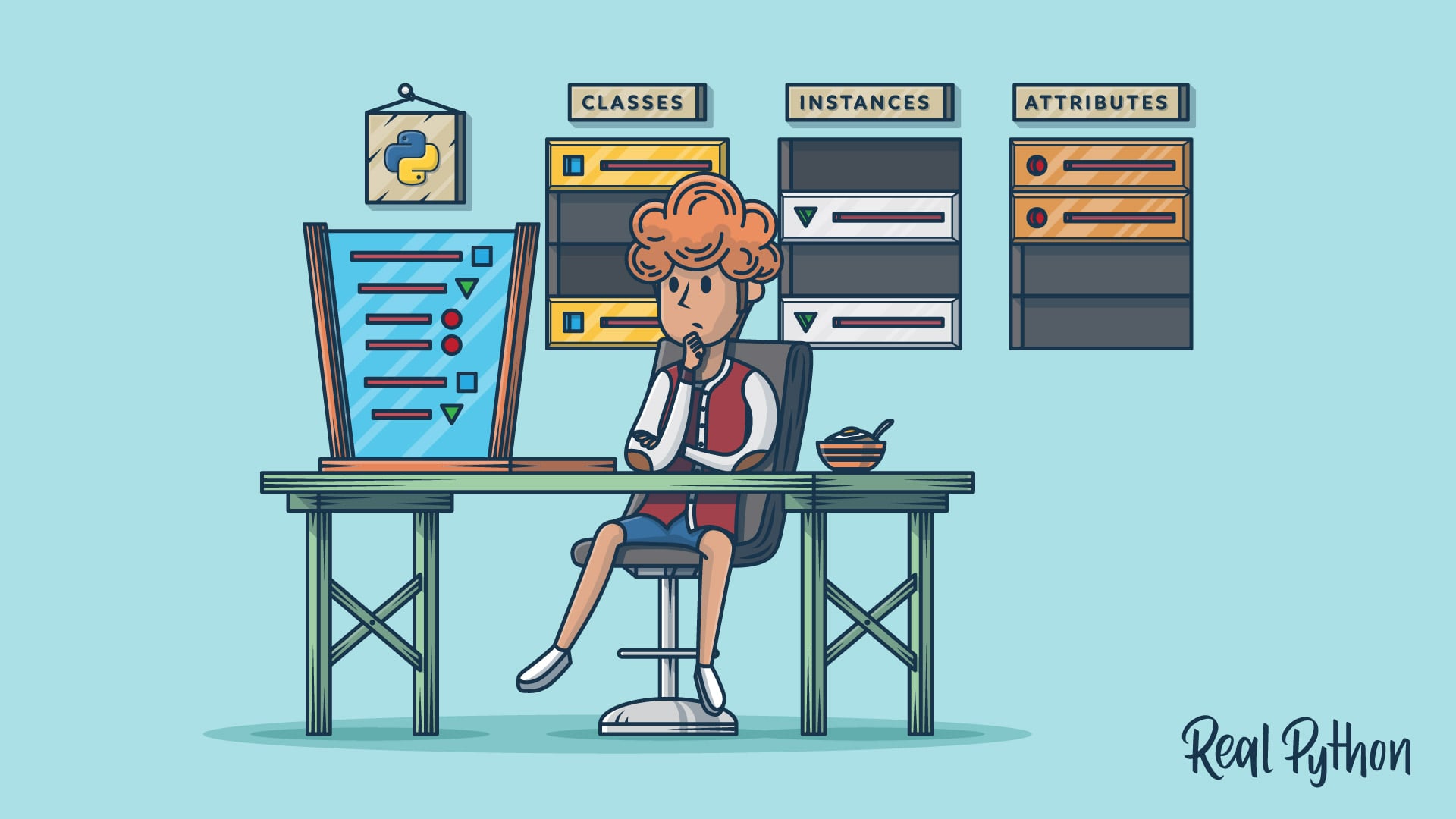
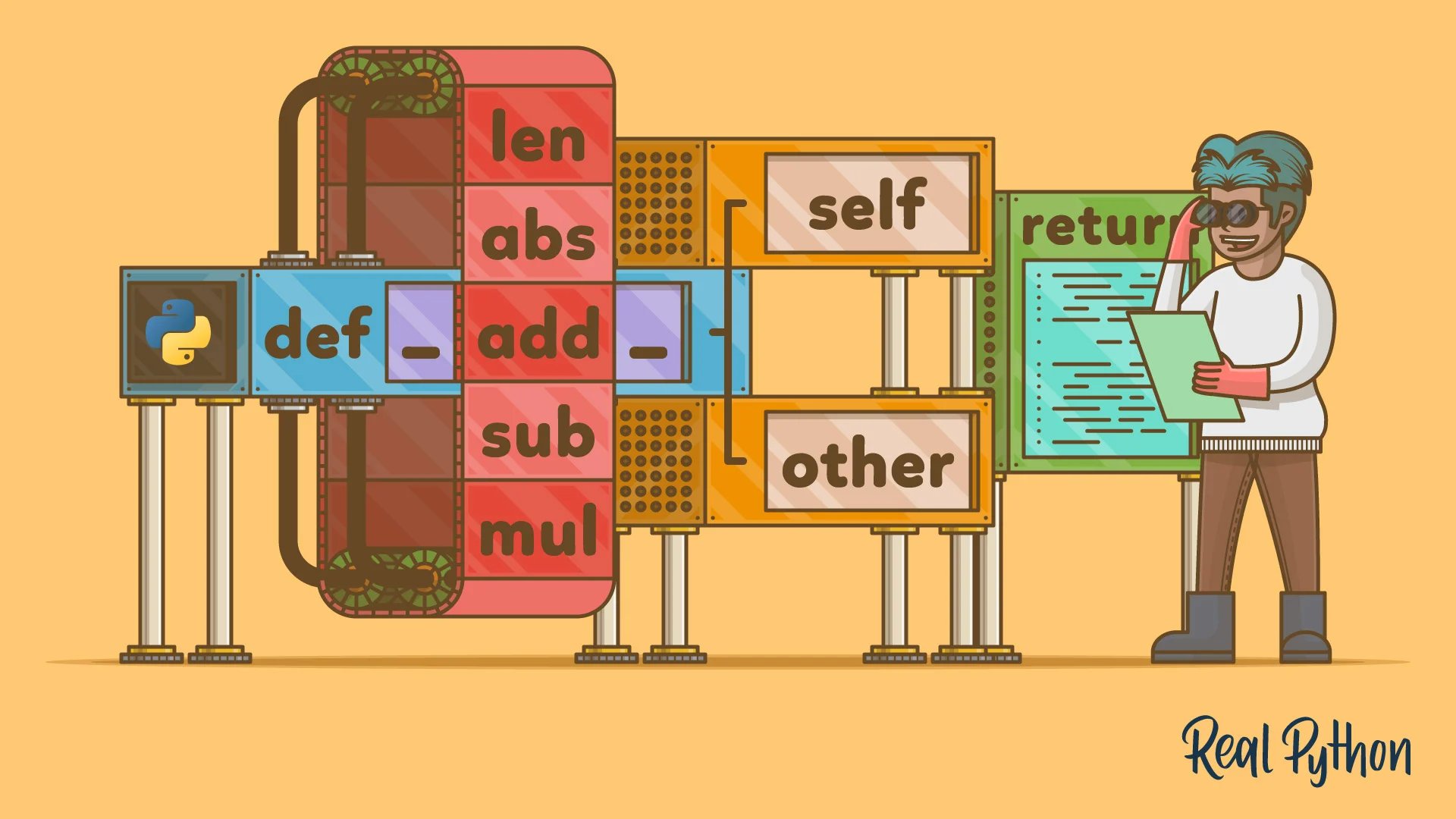
This tutorial introduces Object-Oriented Programming (OOP) in Python, explaining how to define classes as blueprints and create objects from them. It covers core OOP concepts like encapsulation, inheritance, abstraction, and polymorphism, demonstrating class definition and instance creation with practical examples.

  • OOP in Python structures code by grouping related data and behaviors into objects using classes.
  • The four key OOP concepts are encapsulation, inheritance, abstraction, and polymorphism.
  • Classes are blueprints for objects, while instances are actual objects created from a class with specific data.
  • The `__init__` method initializes an object's state, defining its attributes using the `self` parameter.

This article is essential for new Python developers looking to understand fundamental object-oriented programming principles and how to apply them to structure their code effectively.

6/10
Related reading

  1. 11 Beginner Tips for Learning Python Programming

    This article provides 11 tips for beginners learning Python programming, focusing on consistent practice, effective study habits, and collaborative learning. It covers strategies like daily coding, using the interactive shell, taking breaks, and pair programming to solidify understanding.

    Real Pythonrealpython.com10 minHN2
  2. Modern Object Pascal Introduction for Programmers – Castle Game Engine

    The piece is a concise tutorial introducing modern Object Pascal, showing how to write and compile simple programs with Free Pascal or Delphi and covering core syntax, functions, conditionals, and compiler modes. It highlights Pascal’s modern features and practical tips for cross‑platform development with the Castle Game Engine.

    Hacker News front pagecastle-engine.io111 minHN20190
  3. Quiz: Thinking Recursively in Python

    This is an interactive quiz from Real Python designed to test understanding of recursive thinking in Python. It covers identifying recursive structures, writing base and recursive cases, managing state, and using caching to avoid recomputation.

    Real Pythonrealpython.com1 min