Hacker News front pagegCaptain5 min readintro
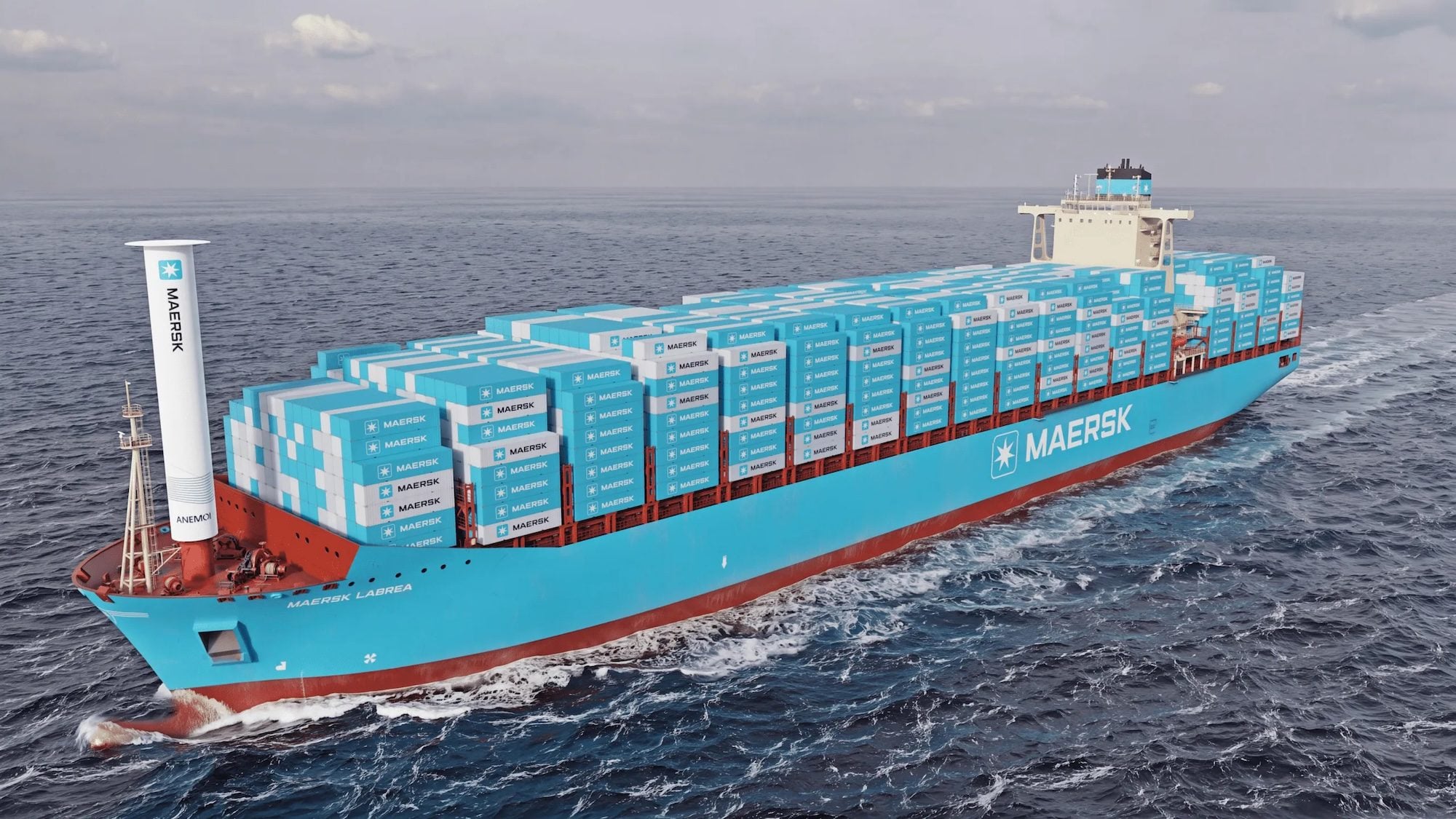
The Return of Sail Power: Cargo Ships Are Turning Back to the Wind
Summary
Modern cargo ships are increasingly being fitted with wind‑assisted propulsion systems such as rotor sails and suction sails, which can shave a few percent off fuel use. With over 100 vessels already equipped and major players like Maersk testing new installations, the technology is moving from demo to commercial adoption despite integration and regulatory hurdles.
- Rotor sails and suction‑sail systems are being retrofitted on bulk carriers, tankers and containerships, e.g., Maersk’s 35‑m rotor sail on an 8,700‑TEU vessel.
- Existing installations like Vale’s Sohar Max claim up to 6% fuel savings; industry estimates for retrofits range from single‑digit to low double‑digit percentages.
- Over 100 large merchant ships now carry wind‑assist systems, representing >5 million deadweight tons, but this is still a tiny share of the global fleet.
- Programs such as WINTEGRATE aim to integrate wind propulsion with engines, batteries, and routing software for optimal performance.
Ship designers and operators should care because wind‑assisted propulsion offers a near‑term, low‑cost way to cut fuel consumption and emissions in large vessels.
5/10