Related reading
Twilio’s 2026 Heightened Awareness Period: Ensuring Reliable Messaging for Peak Season
Twilio will run two Heightened Awareness Periods (Nov 2‑4 2026 for U.S. midterms and Nov 19 2026‑Jan 4 2027 for BFCM/holiday) to shift high‑volume short‑code and toll‑free traffic to market‑throughput mode, keeping messages out of carrier queues. Most users need no action; high‑volume senders should contact their account team and complete supplemental order forms by the listed deadlines to lock i…
Twiliotwilio.com3 minreleaseSpain Orders Blocks on Archive.today and Its Mirrors
Spain’s Intellectual Property Commission ordered ISPs to block Archive.today and its mirrors, redirecting users to a government warning page. The block was triggered by an administrative complaint from an unnamed rights holder and follows a 2021 protocol for rapid takedown of mirror sites. No technical details or engineering analysis are provided.
Hacker News front pagereclaimthenet.org2 minHN521413L10n Report: August Edition 2026
The August 2026 L10n report outlines new Pontoon features—including editor theming, a batch copy‑from‑locale action, community health charts, composed machinery suggestions, and automatic LLM suggestions—plus team changes and upcoming Firefox 155 updates. These changes aim to streamline translation workflows and give contributors better tooling and visibility.
Mozilla Automation Teammozilla.org5 minData and AI Conferences to Attend in 2026 and 2027
A curated list of ~70 data, AI, and ML conferences for 2026‑2027, grouped by region and topic. The post explains why keeping an up‑to‑date list matters for budgeting and roadmap visibility, but offers no technical insight beyond event names and dates.
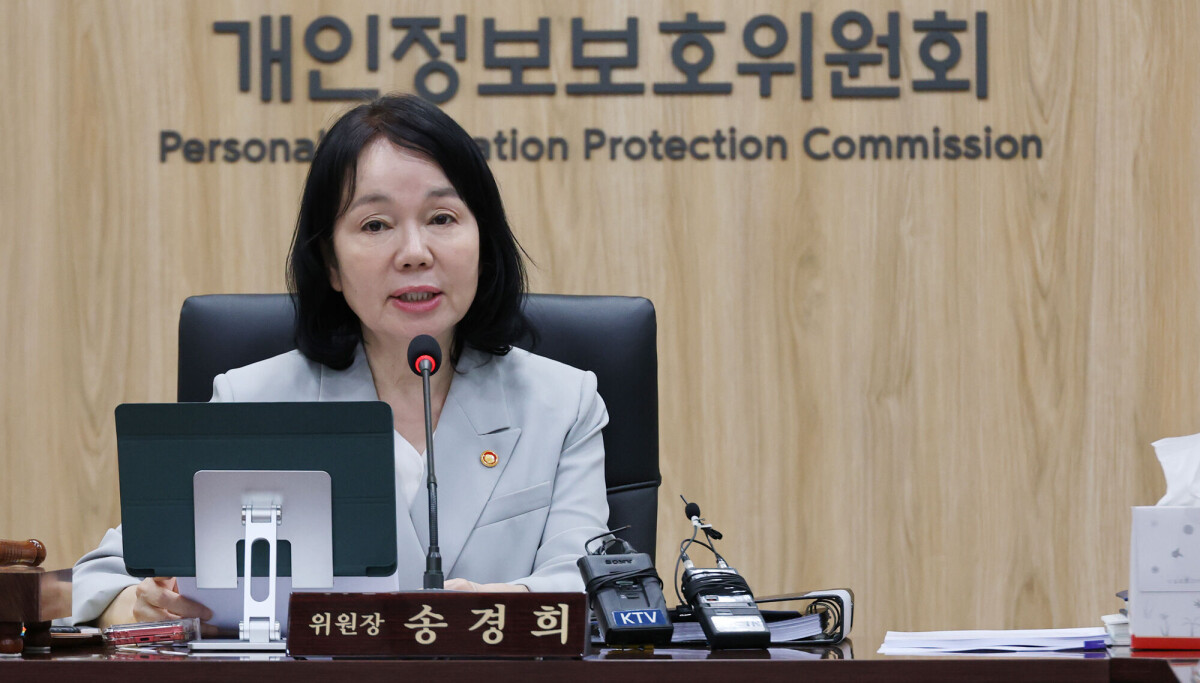
Moove-itqubika.com3 minKorea raises data breach fines to 10% of revenue
South Korea’s privacy regulator will fine companies up to 10 % of revenue for large‑scale data breaches, a jump from the previous 3 % cap. The rule applies to intentional or grossly negligent leaks affecting 10 M+ people, with reductions for proactive security investments and rapid breach response. Companies must also notify users within 72 hours of a high‑risk exposure.
Hacker News front pagekoreajoongangdaily.com3 minHN335113