proomt

Search

Search posts, papers, and topics

All posts

Hacker News front pageJuli Clover1 min readintro
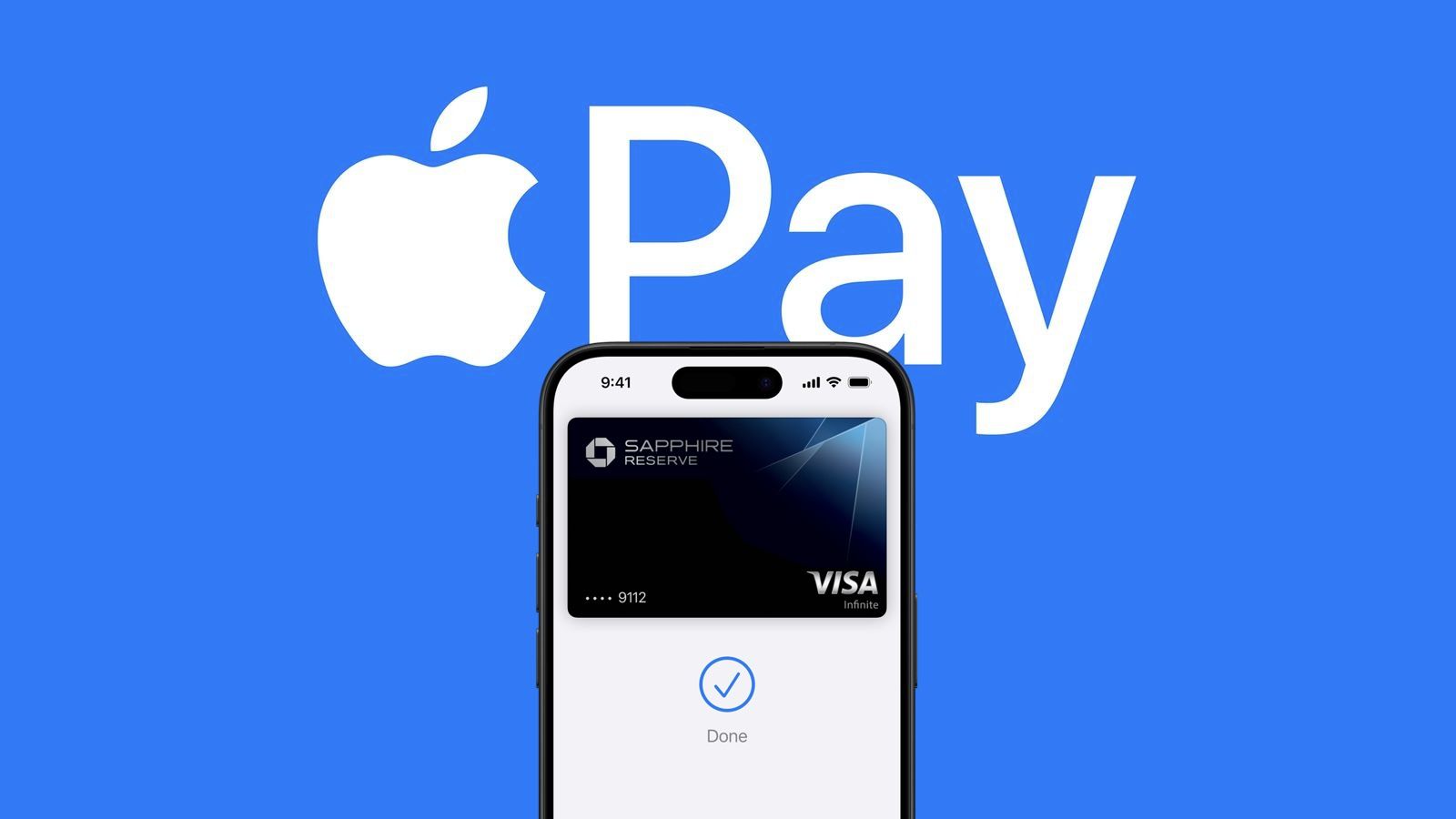
Banks and Credit Unions to Team Up Against Apple Pay Fees

Summary

A 2026 antitrust lawsuit has been certified, allowing banks and credit unions to sue Apple over its Apple Pay fees, which total up to $1 billion annually. The case could compel Apple to open NFC access to competing wallets and alter its fee structure.

  • Apple charges card issuers 0.15% per credit transaction and $0.005 per debit transaction for Apple Pay usage.
  • A class-action lawsuit certified in 2026 could force Apple to repay fees and change its NFC policy.
  • iOS 18.1 now allows developers to access the NFC chip for contactless payments in several countries.
  • If Apple is forced to support competing wallets, its fee revenue could be significantly reduced.

Payment engineers and fintech teams should monitor this case as it may reshape fee models and NFC access on iOS devices.

3/10
Related reading

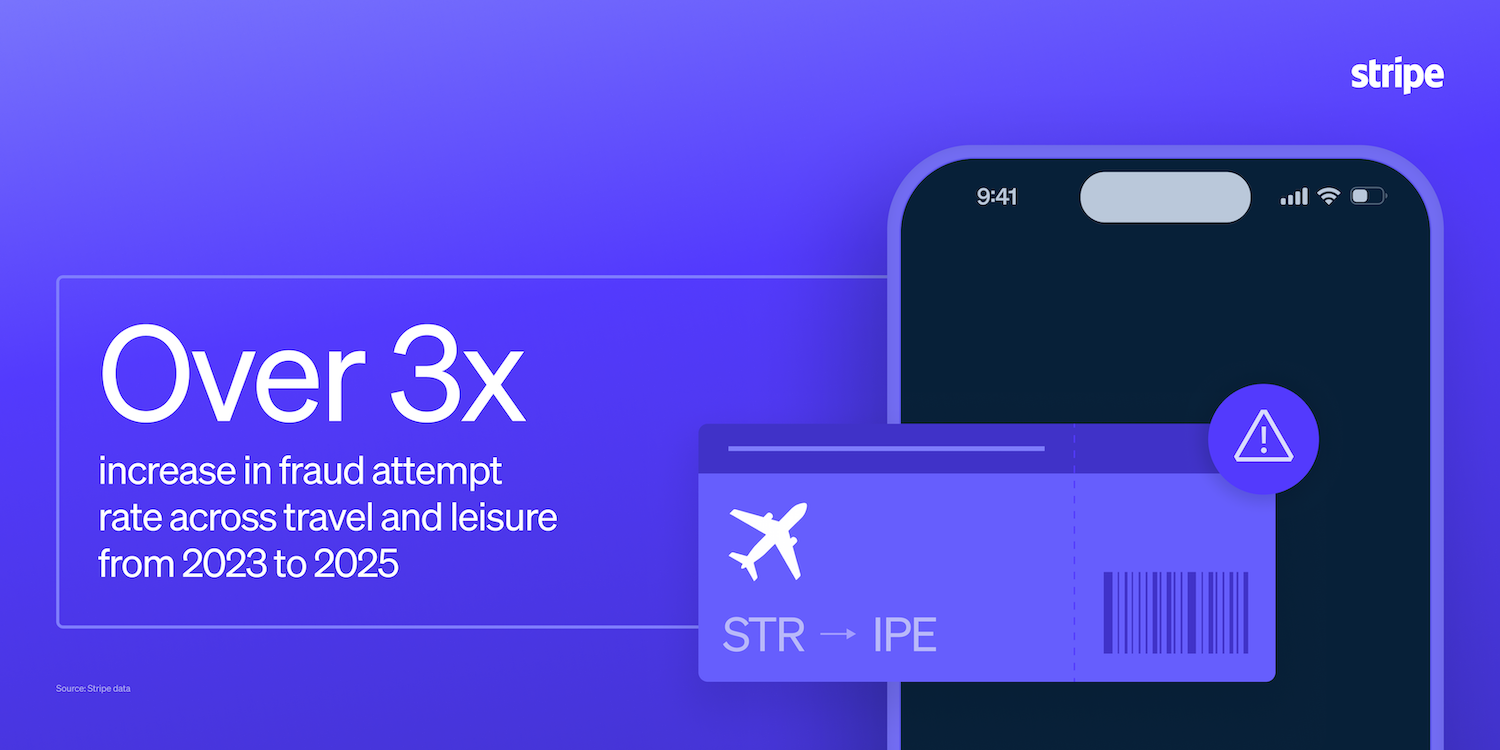
  1. Analyzing rising fraud attempts among travel and leisure businesses on Stripe

    Stripe analyzed payment data from over 200k travel and leisure merchants and found that fraud attempts surged globally in 2024‑2025, especially in APAC and EMEA, while the share of successful fraud after payment stayed flat. Their AI‑powered Radar blocked more than two‑thirds of attempts, intercepting $3 billion in fraudulent volume, and targeted rules helped specific merchants cut dispute rates…

    Stripestripe.com5 min
  2. 1 points

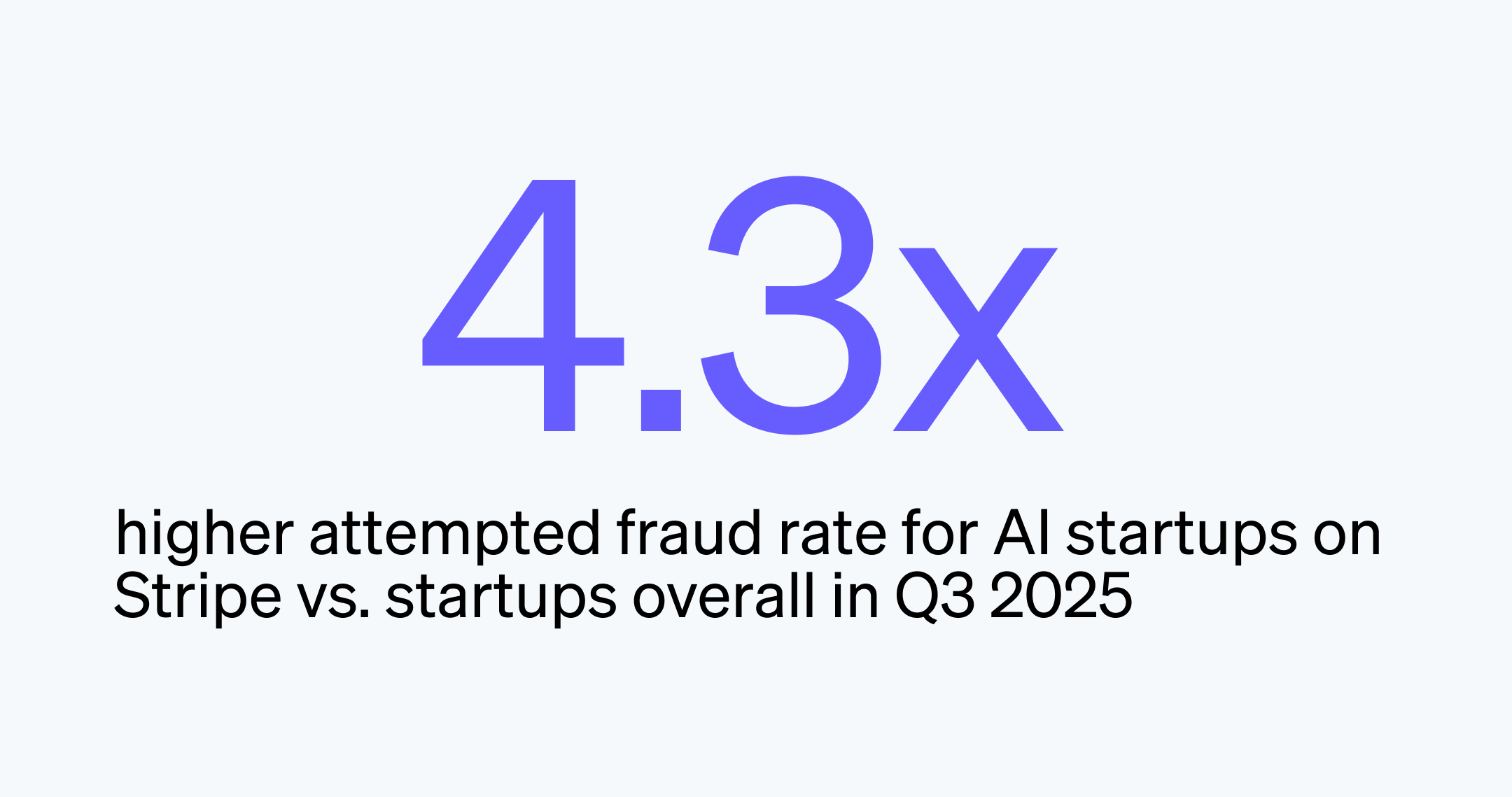
    What Stripe data shows about fraud at AI startups

    Stripe’s data shows AI startups face far higher fraud rates than other startups—up to 4.3× more attempted transaction fraud and a 40% rise in multi‑account abuse over six months. The post explains these patterns and how Stripe Radar’s network‑wide signals can block fraud early in the customer lifecycle.

    Stripestripe.com3 minHN2
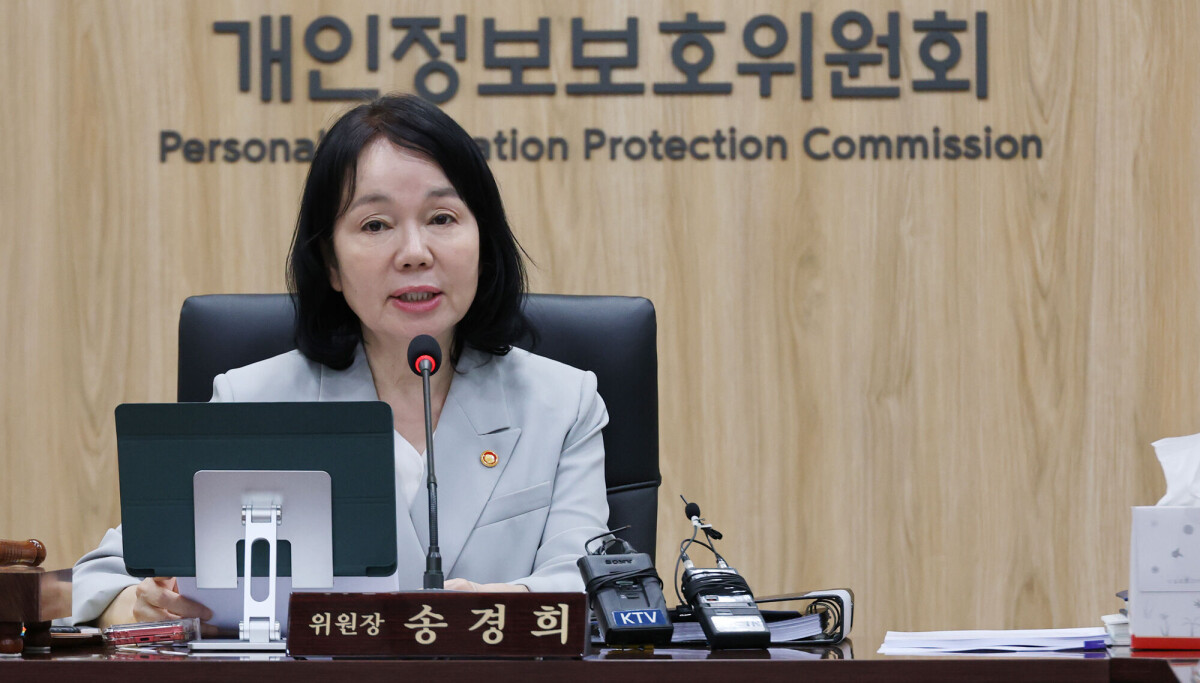
  3. Korea raises data breach fines to 10% of revenue

    South Korea’s privacy regulator will fine companies up to 10 % of revenue for large‑scale data breaches, a jump from the previous 3 % cap. The rule applies to intentional or grossly negligent leaks affecting 10 M+ people, with reductions for proactive security investments and rapid breach response. Companies must also notify users within 72 hours of a high‑risk exposure.

    Hacker News front pagekoreajoongangdaily.com3 minHN335113