proomt

Search

Search posts, papers, and topics

All posts

StripeAndrew Beckmann, James Lemon5 min readintermediate
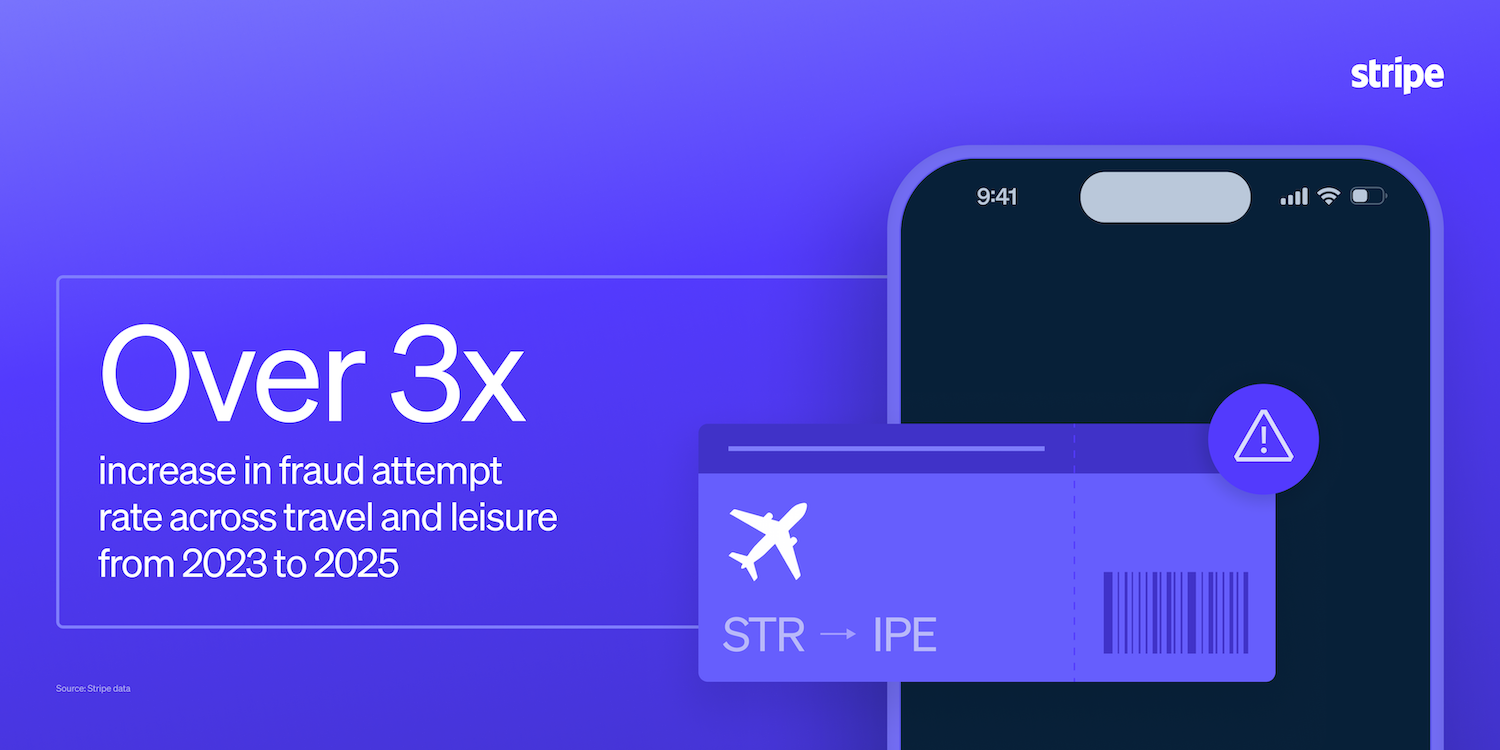
Analyzing rising fraud attempts among travel and leisure businesses on Stripe

Summary

Stripe analyzed payment data from over 200k travel and leisure merchants and found that fraud attempts surged globally in 2024‑2025, especially in APAC and EMEA, while the share of successful fraud after payment stayed flat. Their AI‑powered Radar blocked more than two‑thirds of attempts, intercepting $3 billion in fraudulent volume, and targeted rules helped specific merchants cut dispute rates…

  • Fraud attempts in travel/leisure rose sharply 2022‑2025, especially in APAC and EMEA, while post‑payment fraud rates stayed flat.
  • Stripe Radar blocked over two‑thirds of attempts, intercepting $3 B in suspected fraudulent volume in 2025.
  • Regional differences require tailored controls; APAC saw a >5× increase, North America saw a decline.
  • Targeted rules (e.g., name‑mismatch authentication) cut dispute rates 90% for Oasis Hotels and reduced fraudulent volume 61% for SiteMinder.

Payment and risk engineers at travel‑focused businesses should care because rising fraud pressure and proven Radar controls can dramatically reduce losses.

6/10
Related reading

  1. 1 points

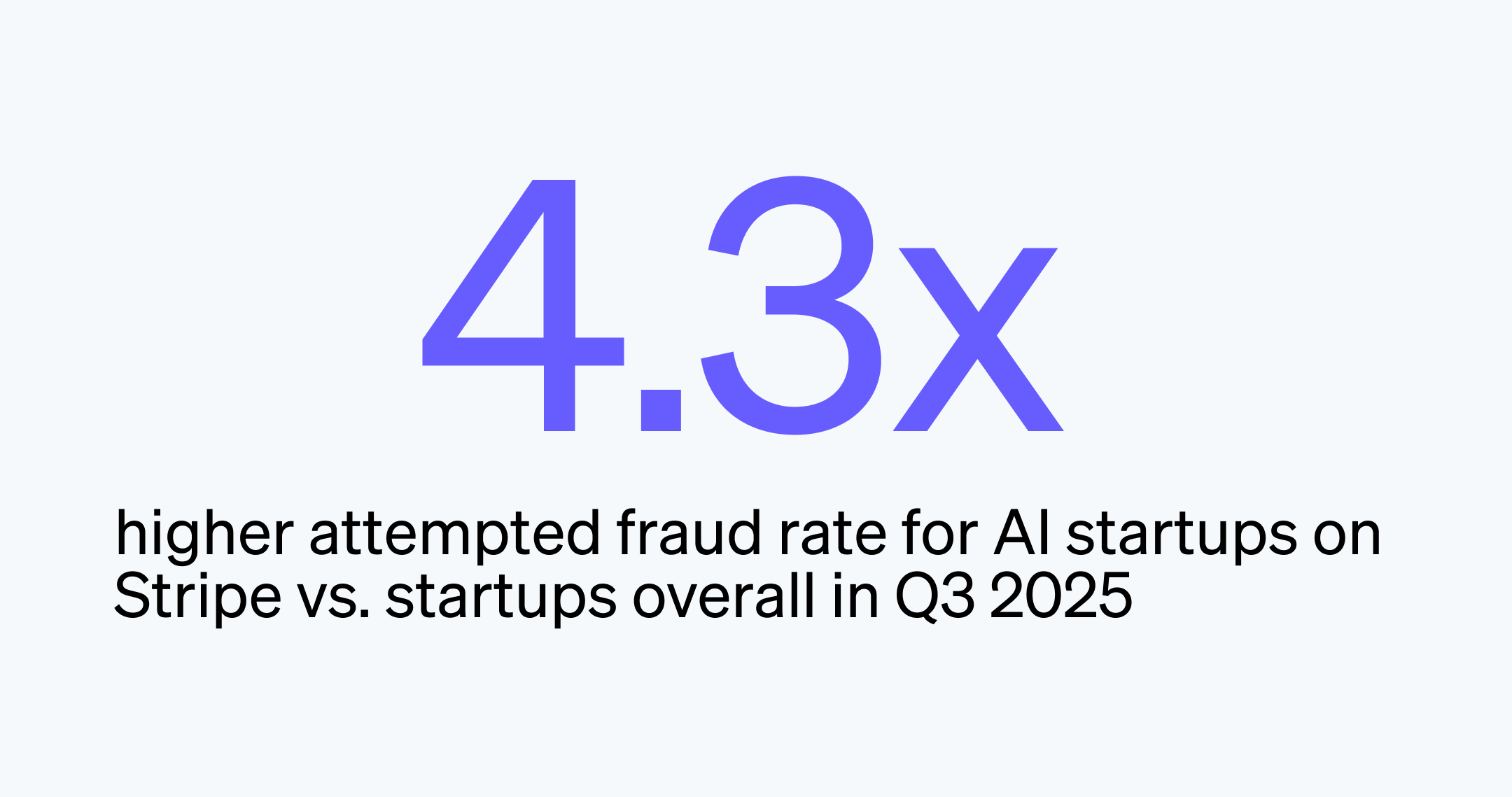
    What Stripe data shows about fraud at AI startups

    Stripe’s data shows AI startups face far higher fraud rates than other startups—up to 4.3× more attempted transaction fraud and a 40% rise in multi‑account abuse over six months. The post explains these patterns and how Stripe Radar’s network‑wide signals can block fraud early in the customer lifecycle.

    Stripestripe.com3 minHN2
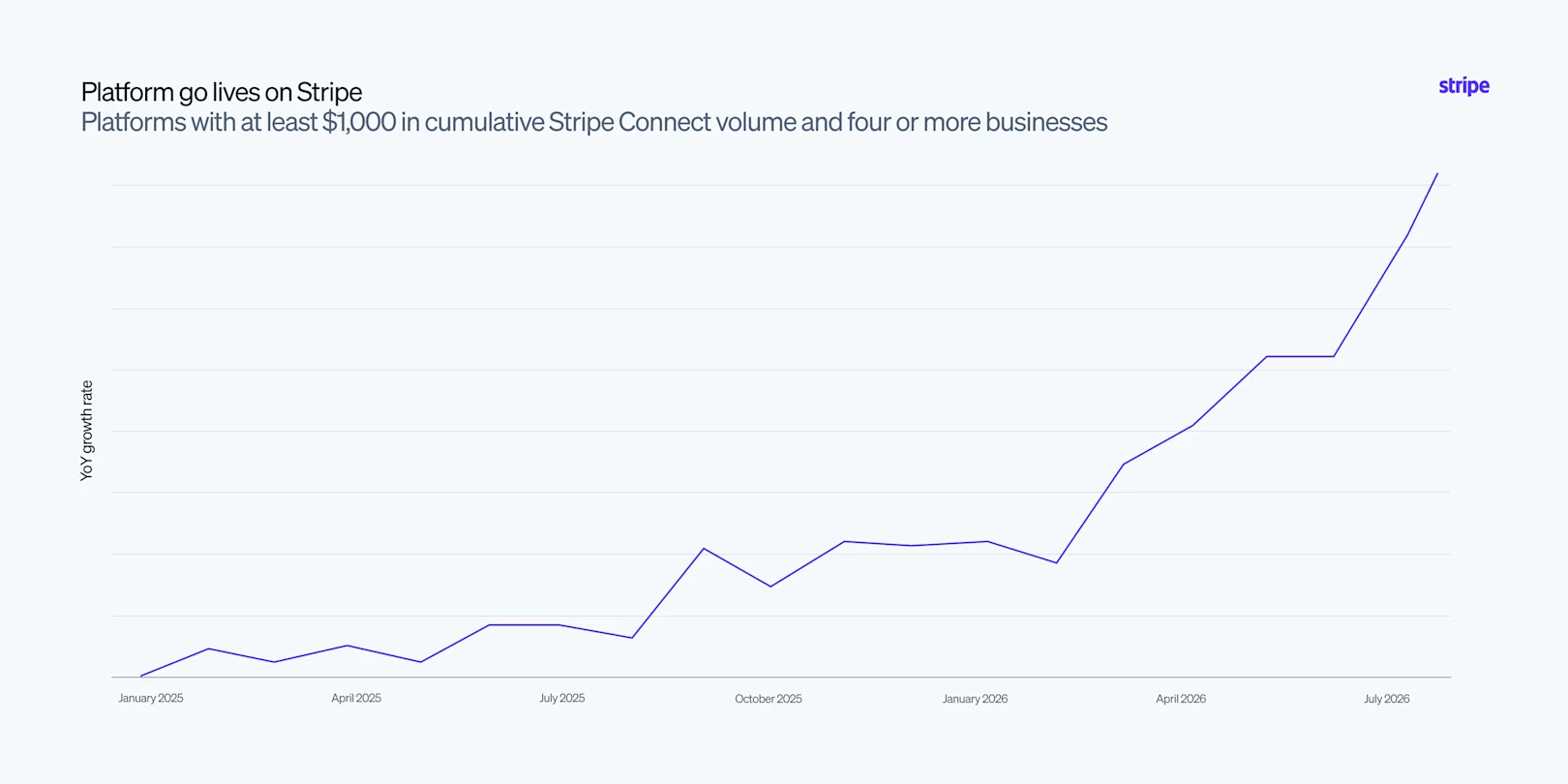
  2. SaaS platforms are surging despite the SaaSpocalypse

    New SaaS platforms are experiencing a significant boom on Stripe, with new businesses up over 180% year-over-year, defying earlier market fears of a 'SaaSpocalypse'. These platforms differentiate by embedding deep industry knowledge and integrating core workflows, with AI accelerating their development and enhancing offerings.

    Stripestripe.com3 min
  3. Korea raises data breach fines to 10% of revenue

    South Korea’s privacy regulator will fine companies up to 10 % of revenue for large‑scale data breaches, a jump from the previous 3 % cap. The rule applies to intentional or grossly negligent leaks affecting 10 M+ people, with reductions for proactive security investments and rapid breach response. Companies must also notify users within 72 hours of a high‑risk exposure.

    Hacker News front pagekoreajoongangdaily.com3 minHN335113
  4. Article: Architecting Secure and Scalable Facial Verification Systems

    A real‑world post‑mortem of a high‑volume face verification service that moved from a naïve synchronous API to an async, layered pipeline (edge validation, preprocessing, decoupled detection/verification, decision engine) to achieve 8.5k rpm, p99 < 1.8 s, 30 % cost savings, and strict privacy controls.

    InfoQinfoq.com15 min
  5. FRAUDSkill: Structured Frozen-Weight Skill Optimization for Audio Anti-Fraud Detection

    FRAUDSkill is a framework that keeps a pretrained audio‑language model frozen and learns an external layer of skill programs, routing policies, and decision rules to meet a structured anti‑fraud detection protocol. On the TeleAntiFraud benchmark it reaches 73.5% Macro‑F1 (≈32% improvement) while cutting invalid predictions to 1.94%.

    Hugging Face Daily Papersarxiv.org1 minpaper