proomt

Search

Search posts, papers, and topics

All posts

StripeJacob Meltzer, Samuel Bakouch3 min readintro
What Stripe data shows about fraud at AI startups

Summary

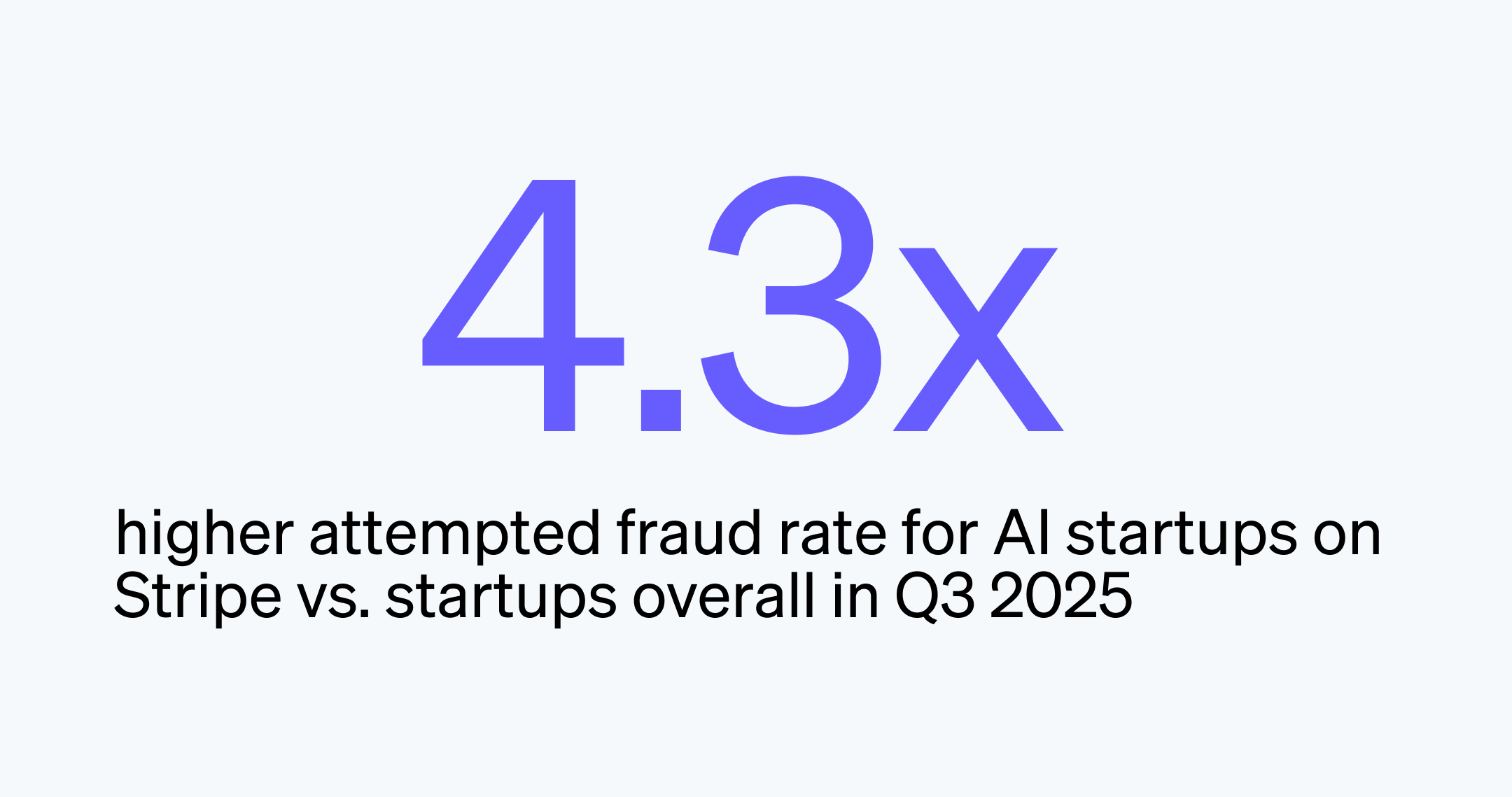
Stripe’s data shows AI startups face far higher fraud rates than other startups—up to 4.3× more attempted transaction fraud and a 40% rise in multi‑account abuse over six months. The post explains these patterns and how Stripe Radar’s network‑wide signals can block fraud early in the customer lifecycle.

  • AI startups on Stripe saw up to 4.3× higher attempted transaction fraud in Q3 2025, falling to 2.6× by Q1 2026.
  • Attempted multi‑account abuse at AI subscription companies grew 40% from Jan to Jun 2026; the most targeted firms saw 154%–600% increases.
  • Fraudsters often use stolen cards to buy AI compute or tokens and resell them before disputes are filed, causing direct losses.
  • Stripe Radar uses billions of transaction signals to block fraudulent payments and detect abuse at sign‑up and login.

AI SaaS founders and engineers should be aware of the elevated fraud risk in their sector and consider network‑scale fraud detection tools like Stripe Radar.

5/10
Related reading

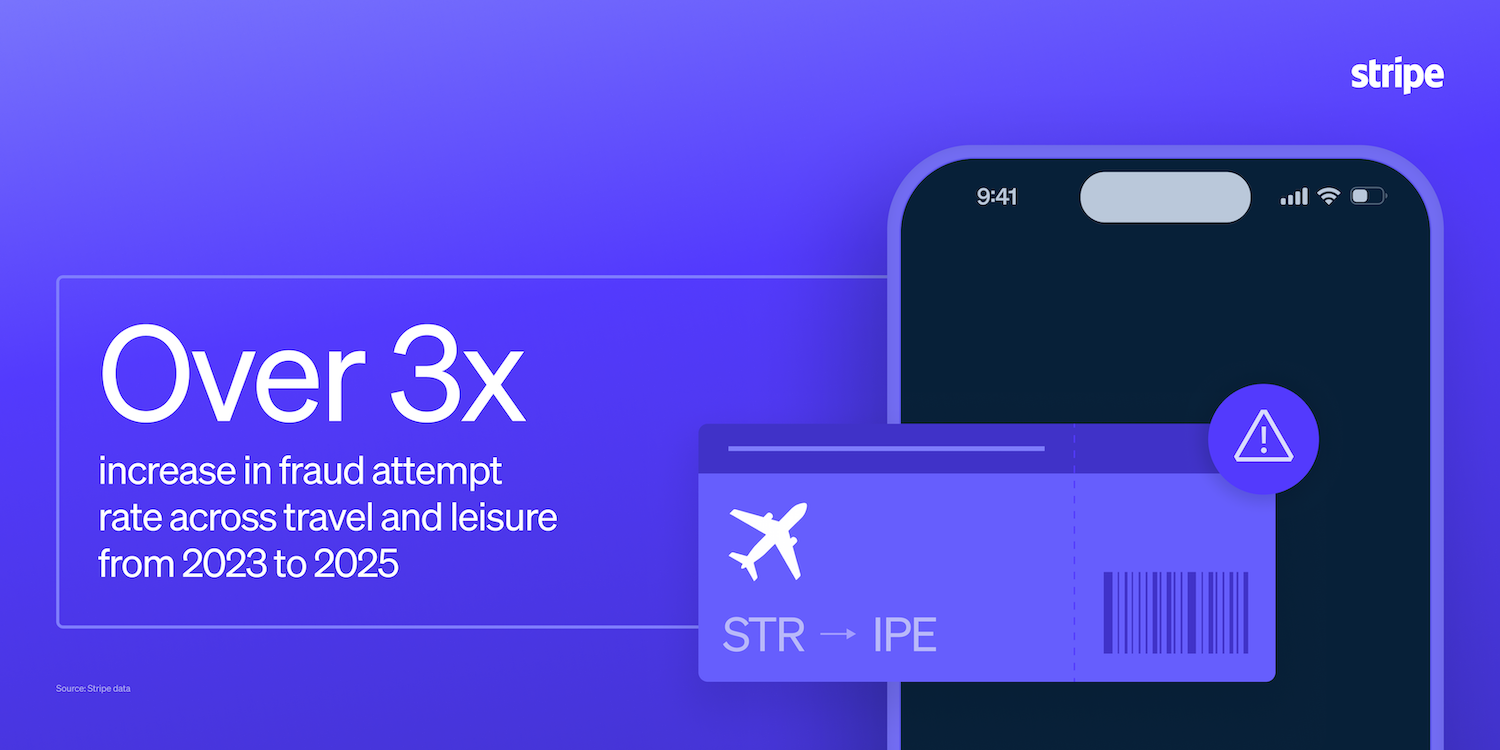
  1. Analyzing rising fraud attempts among travel and leisure businesses on Stripe

    Stripe analyzed payment data from over 200k travel and leisure merchants and found that fraud attempts surged globally in 2024‑2025, especially in APAC and EMEA, while the share of successful fraud after payment stayed flat. Their AI‑powered Radar blocked more than two‑thirds of attempts, intercepting $3 billion in fraudulent volume, and targeted rules helped specific merchants cut dispute rates…

    Stripestripe.com5 min
  2. SaaS platforms are surging despite the SaaSpocalypse

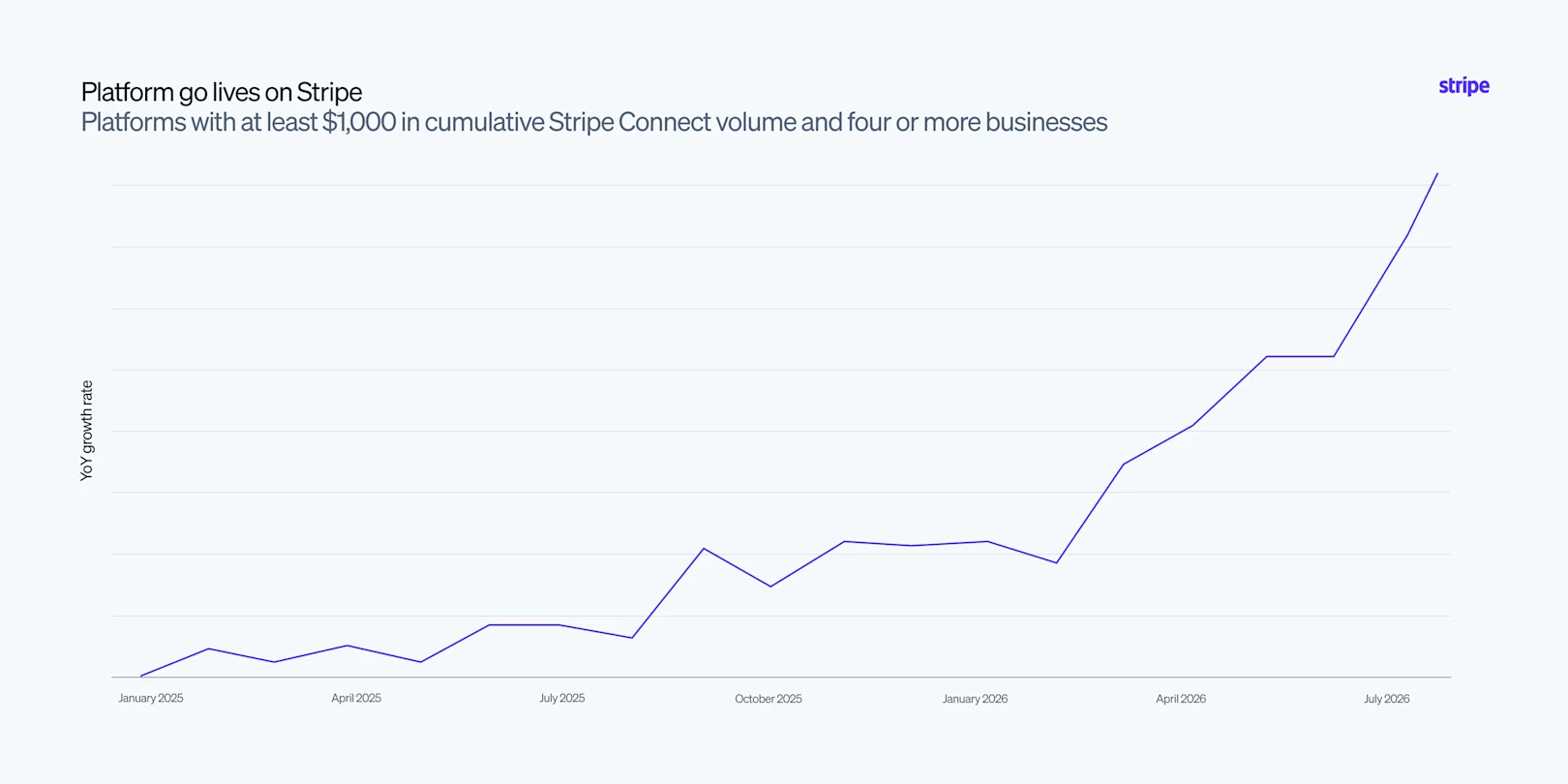
    New SaaS platforms are experiencing a significant boom on Stripe, with new businesses up over 180% year-over-year, defying earlier market fears of a 'SaaSpocalypse'. These platforms differentiate by embedding deep industry knowledge and integrating core workflows, with AI accelerating their development and enhancing offerings.

    Stripestripe.com3 min
  3. The 2026 State of Code Abundance Report: Exposing the Enterprise AI Readiness Gap

    A report highlights a significant gap between enterprise confidence in AI-generated code and operational reality, with 81% of leaders reporting increased production issues despite high readiness scores. This "code abundance" means code is generated faster than organizations can effectively test, govern, and manage it, leading to challenges in cost attribution and governance.

    Codeshipcloudbees.com5 min
  4. AI Changed How Spotify Builds. What We Learned (and Fixed) About Quality at Higher Velocity

    Spotify’s AI‑assisted development doubled change volume, exposing gaps in alerting, capacity planning, fleet‑update safety, and mobile quality signals. The team added end‑to‑end monitoring, priority‑based tiering, stronger rollback/observability, and expanded edge capacity. Data shows AI‑generated code isn’t a direct incident cause, but verification pipelines must scale with velocity.

    Spotifyatspotify.com7 minpostmortemHN52