proomt

Search

Search posts, papers, and topics

All posts

The Daily WTFLyle Seaman1 min readintro

Error'd: Ai Dios Mio

Summary

A light‑hearted roundup of recent AI‑related UI glitches and funny screenshots, with no technical analysis or engineering takeaways.

  • The article is a collection of user‑submitted screenshots mocking AI behavior in consumer tools.
  • No code, metrics, design decisions, or post‑mortem details are provided.
  • Primarily entertainment; not useful for practicing engineers.

Shows how AI features can surface odd UX bugs that become meme material, but offers no actionable insight for developers.

2/10

Related reading

  1. Why we removed AI solutions from Flare

    Flare dropped its AI‑generated solution feature, saying it no longer matches how developers debug with modern coding agents. The new approach uses an MCP server, a CLI, a "Copy" tool for prompts, and docs tuned for agents, but the post gives no technical details or data.

    Freek Van der Hertenfreek.dev1 min
  2. CodeSOD: Vintage 2013

    A tongue‑in‑cheek post highlighting an absurd GPL header that repeats "2013" dozens of times, questioning the reliability of the surrounding code.

    The Daily WTFthedailywtf.com10 min
  3. How we AI-updated 1,138 Error-code Docs Pages

    Twilio built a two‑phase pipeline that first scores each error‑code doc with a deterministic script, then feeds only low‑scoring pages to an LLM (gpt‑5.4) using a strict prompt. The model’s diff is applied via git, linted, and opened as a PR for a reviewer. In 12 weeks they updated 1,138 pages (≈34.6 s/page) with a human reviewing every change, cutting manual effort from an estimated 18 k hours a…

    Twiliotwilio.com11 min
  4. Why Deploying Physical AI at Scale Demands Safety at Every Layer

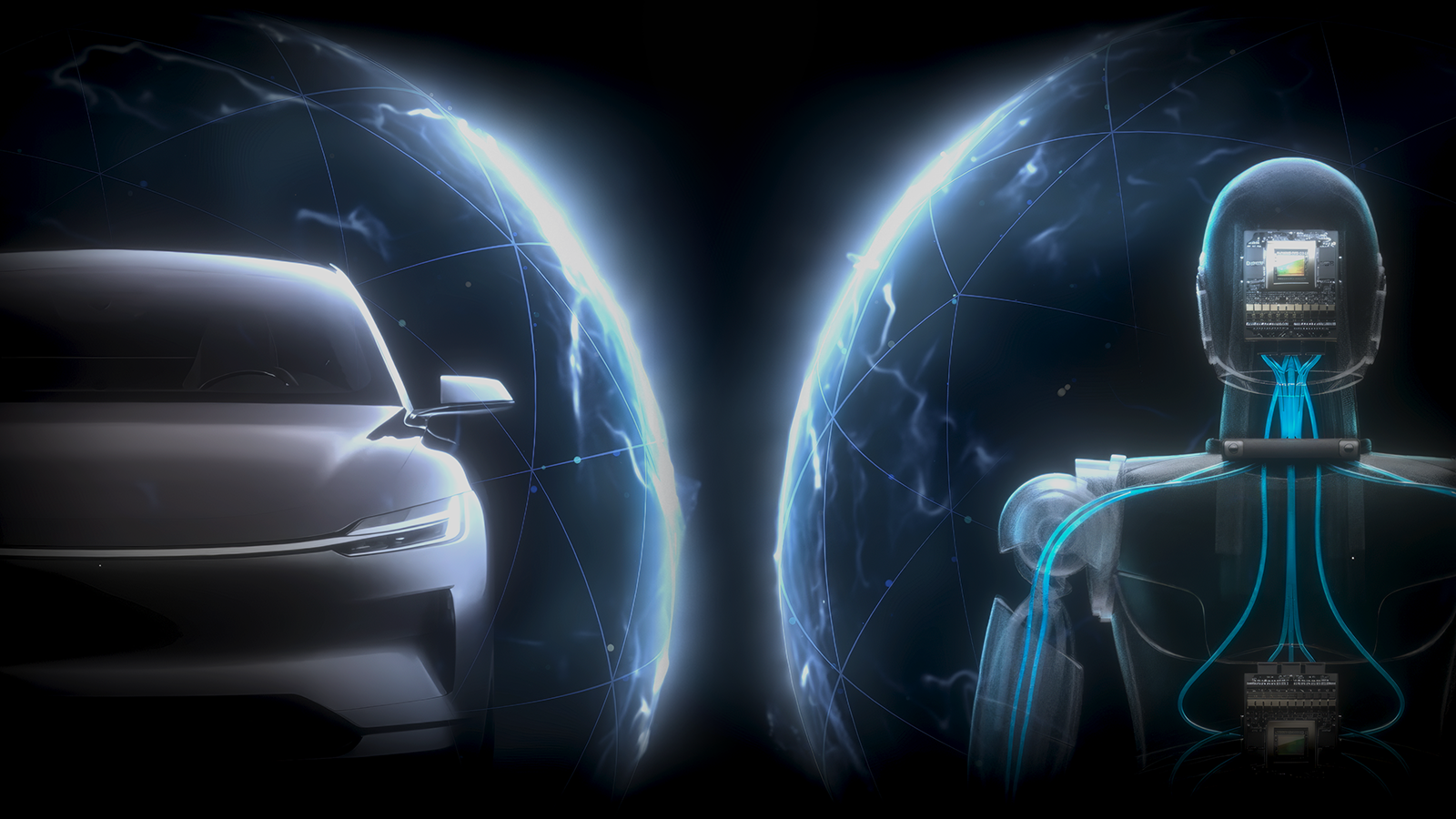
    NVIDIA’s Halos platform is a full‑stack safety system for physical AI (autonomous vehicles and industrial robots). It bundles safety‑engineered hardware (DRIVE AGX Thor, IGX Thor), an ASIL‑D certified OS (Halos OS), middleware for isolation and monitoring, AI models for explainability (Alpamayo), and simulation/validation tools (Isaac Lab, Omniverse). The blog argues that scaling physical AI requ…

    Nvidianvidia.com5 min