proomt

Search

Search posts, papers, and topics

All posts

Hacker News front pageDhruv Mehrotra,Joseph Cox7 min readpostmortemintermediate

Hackers Got Inside a Flock Camera

Summary

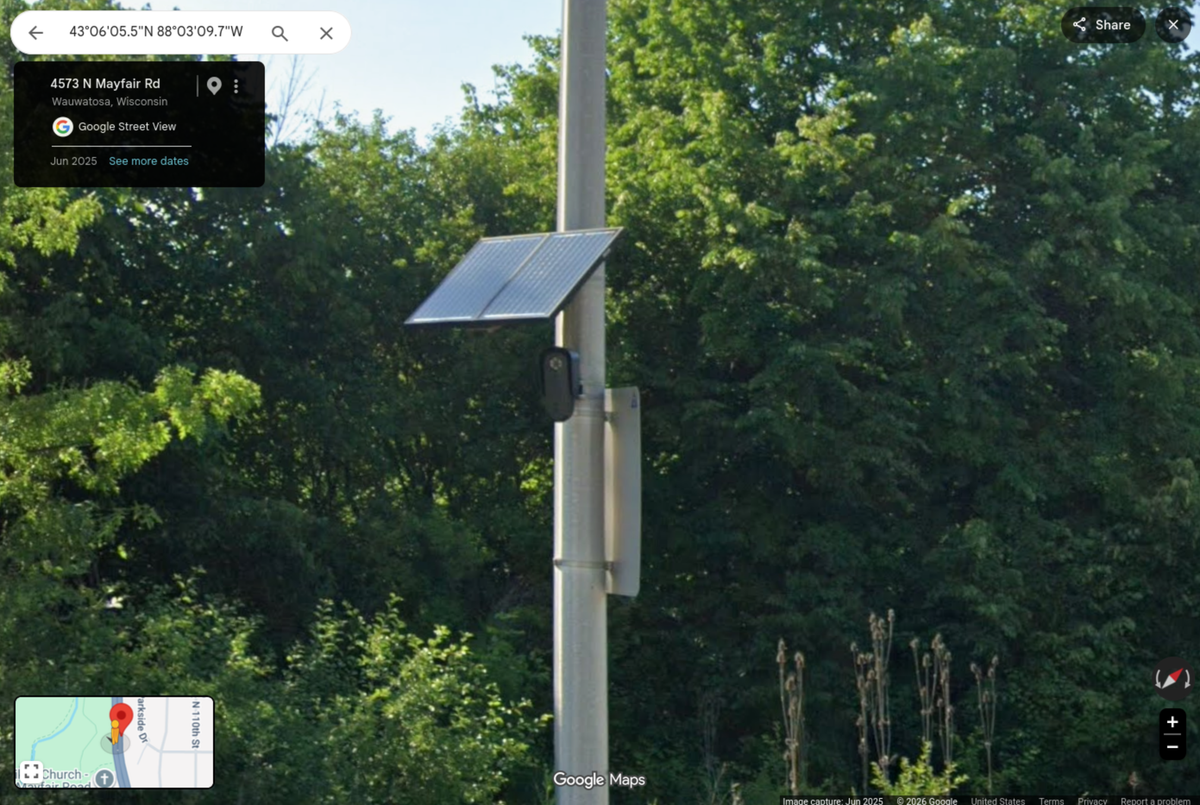
Hackers removed a Flock license‑plate reader camera, copied its storage, extracted an on‑device encryption key, and released ~1.6 M images and logs covering 21 days of operation. Analysis shows the device captures ~28 images per vehicle, detects people, and stores raw media in unencrypted partitions. License‑plate detection runs on the cloud, and the camera’s software can mis‑identify graphics as…

  • Physical access to the camera yields an unencrypted "vendor" and "media" partition; the media partition contains the AES key that unlocks the bulk of stored footage.
  • The device records ~28 photos per passing vehicle (up to >100), plus short 1‑2 s MP4 clips (1024×768) for any detected objects.
  • On‑device software runs ~20 custom Android apps for motion detection, image capture, object classification, and upload; plate recognition is performed server‑side.
  • People detection is present on the camera; test runs on extracted models found 11 motorcycle‑rider clips with person detections.

The incident demonstrates that on‑device encryption alone is insufficient when keys are stored locally, and that physical security of edge surveillance hardware is a critical attack surface. It also provides concrete data on the volume and granularity of surveillance collected by commercial ALPR sy…

6/10
Related reading

  1. When scanners miss the attack: how Cloudflare Client-Side Security protects storefronts

    Cloudflare’s Page Shield uses a graph‑neural‑network (GNN) to model JavaScript as a syntax‑tree graph, followed by a lightweight LLM for second‑opinion triage and an ensemble of frontier models for deep analysis. This pipeline caught eight malicious payloads across four distinct affiliate‑theft and backdoor techniques that traditional scanners missed, demonstrating the need for runtime, behavior‑…

    Cloudflarecloudflare.com21 minHN2
  2. Laravel Scalpel Scans for Filesystem Intrusion Evidence

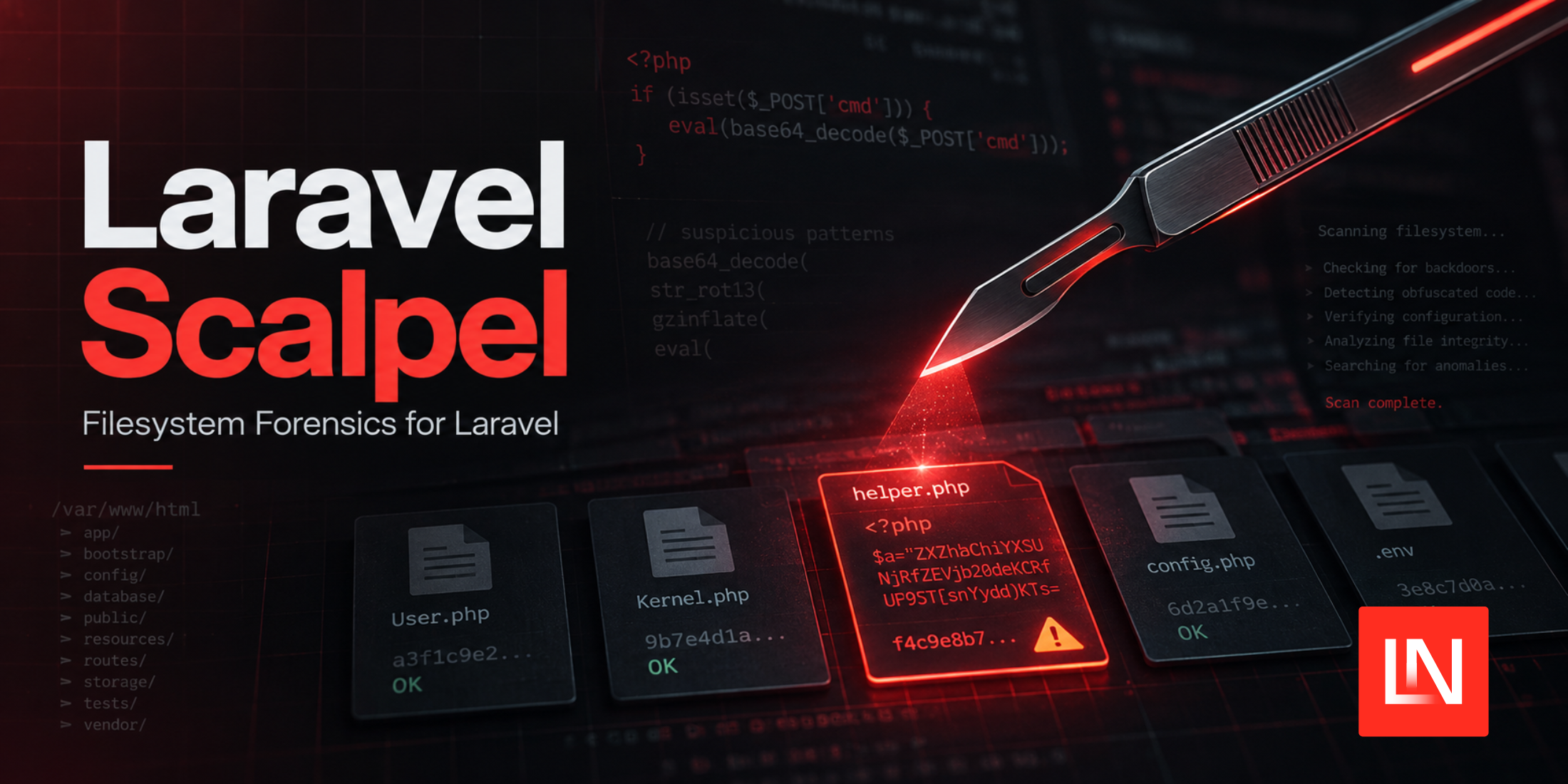
    Laravel Scalpel is a Laravel‑native scanner that looks for post‑deployment filesystem tampering – rogue PHP files, obfuscated backdoors, altered .htaccess/.user.ini, missing or mis‑configured .env, and diffs against a signed baseline. It ships with six built‑in scanners, baseline snapshot commands, fast vs strict hashing modes, CI‑friendly output (JSON, SARIF, GitHub annotations) and a ScanFinish…

    Laravellaravel-news.com5 min
  3. Transform and route security logs to Microsoft Sentinel tables using Observability Pipelines

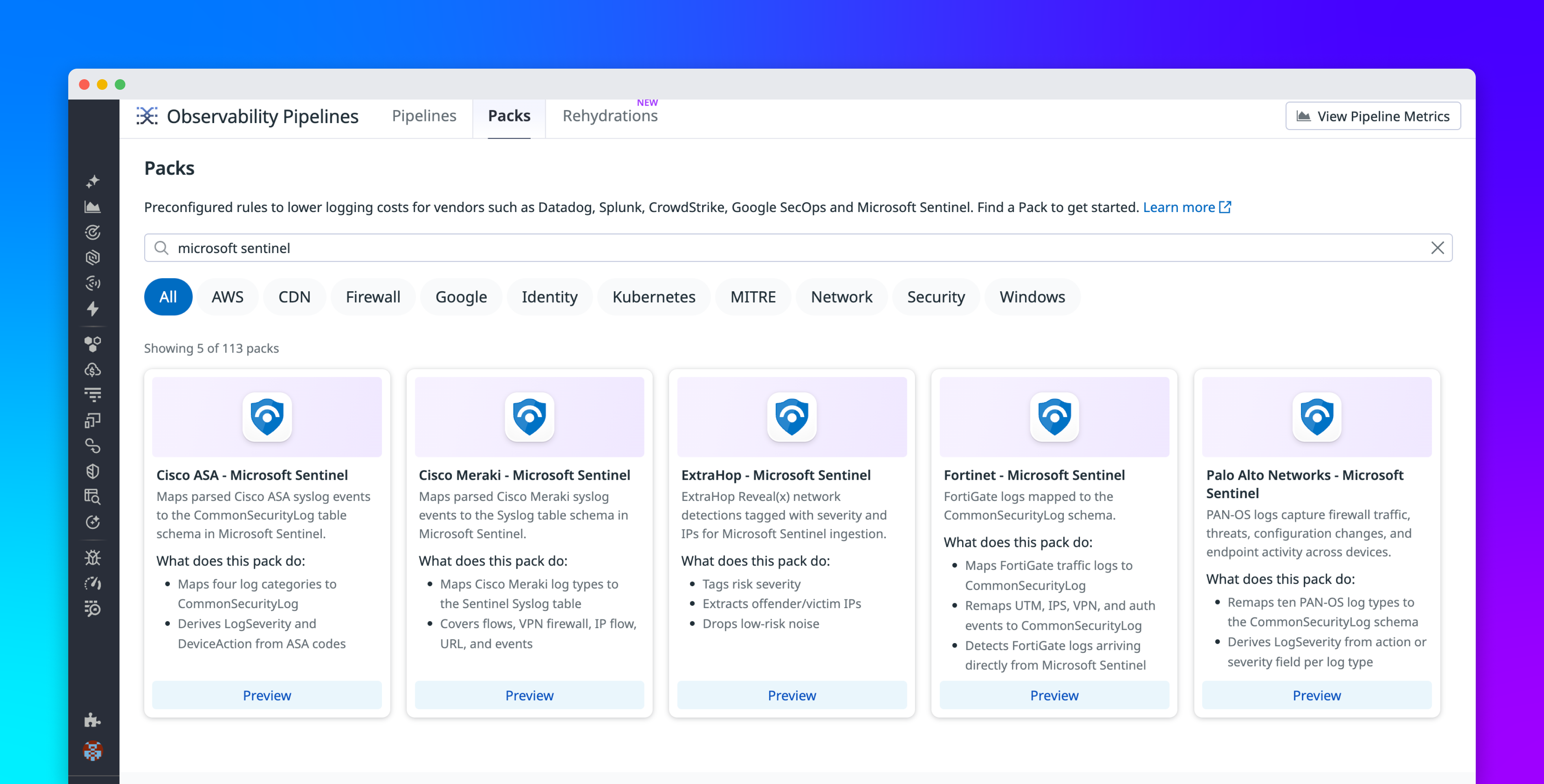
    Datadog Observability Pipelines now ships pre‑built Microsoft Sentinel Packs that map logs from Palo Alto, Fortinet, Cisco ASA, Cisco Meraki, and ExtraHop into Sentinel’s CommonSecurityLog or Syslog tables. Packs handle field extraction, severity derivation, and device‑action mapping, letting you filter or drop low‑value events before ingest, validate mappings with Live Capture, and reduce per‑GB…

    Datadogdatadoghq.com5 min
  4. Inside ZCode: Silently uploading your Git history to the cloud

    ZCode (Zhipu’s AI coding desktop) silently archives your entire workspace—including full .git history, LFS cache, and config—encrypts it with a server‑supplied RSA public key, and uploads the ciphertext directly to Aliyun OSS. The upload runs unconditionally for any logged‑in user, cannot be disabled via UI, and the decryption key lives only on the server, giving Zhipu full read access to your co…

    Hacker News front pageferstar.org6 minpostmortemHN336113