Related reading
Reminder of Things
The author reflects on moving from the Things to‑do app to Apple Reminders, citing Siri/HomePod integration and collaborative lists as the main reasons, while criticizing Reminders’ UI clutter. He notes the fragmentation of his task data across multiple apps and hopes a third‑party front‑end like Unforgetful could combine the simplicity of Things with Reminders’ data.
Jonathan Snooksnook.ca2 minM5 Ultra Mac Studio Review
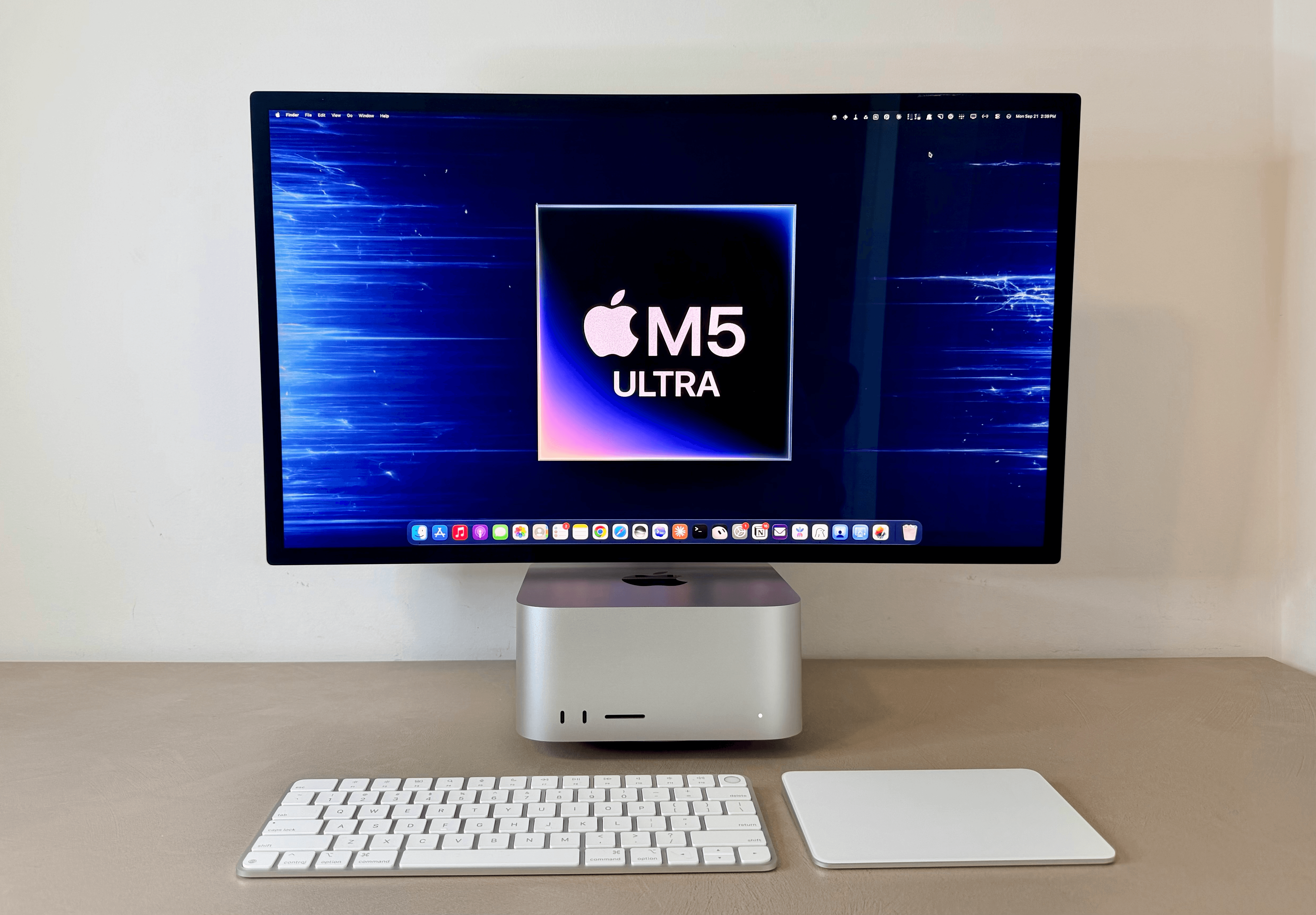
The M5 Ultra Mac Studio (256 GB RAM) uses a quad‑die M5 Max architecture with an 80‑core GPU and 1.2 TB/s memory bandwidth, delivering ~70 % faster prompt‑to‑first‑token and token‑generation rates than the M3 Ultra. In the author’s tests Qwen3.8‑Flash‑Next hits 100 tokens/s on short prompts and 60‑85 tokens/s with 64‑256 KB context, making local AI agents (Open Minis, Hermes, Codex) feel snappy a…
Hacker News front pagemacstories.net39 minHN191174The scourge of x86 emulation
The article explains why emulating x86's strict TSO memory model on ARM's weak model is costly, shows microbenchmark results for acquire/release vs. LRCPC loads, and describes how newer ARM extensions and Apple Silicon's TSO mode restore performance.
A Mac App, Not an iOS App on a Mac
Codename One switched its default Mac build from iOS‑Catalyst to a native AppKit port. The new path creates true NSApplication/NSWindow objects with per‑window CAMetalLayer rendering, native menus, text input, multi‑monitor support and accessibility, eliminating the costly image‑copy pipeline of Catalyst and enabling proper desktop window behavior.
CodeName Onecodenameone.com3 min