Related reading
The scourge of x86 emulation
The article explains why emulating x86's strict TSO memory model on ARM's weak model is costly, shows microbenchmark results for acquire/release vs. LRCPC loads, and describes how newer ARM extensions and Apple Silicon's TSO mode restore performance.
Article: Architecting Secure and Scalable Facial Verification Systems
A real‑world post‑mortem of a high‑volume face verification service that moved from a naïve synchronous API to an async, layered pipeline (edge validation, preprocessing, decoupled detection/verification, decision engine) to achieve 8.5k rpm, p99 < 1.8 s, 30 % cost savings, and strict privacy controls.
InfoQinfoq.com15 minSDCC – Small Device C Compiler
Hacker News front pagesourceforge.netHN13737IBM Built the Cold War’s Most Powerful Code Breaker for the NSA
IBM’s Harvest (IBM 7950) was a 1960s NSA‑dedicated streaming coprocessor attached to an IBM Stretch mainframe. It ran up to 200× faster than contemporary machines, used a custom bit‑addressable memory model, pipelined parallel streams (P, Q → R), and introduced the world’s first automated tape library. IBM also created a domain‑specific language, Alpha, for cryptanalytic programmers. The article…
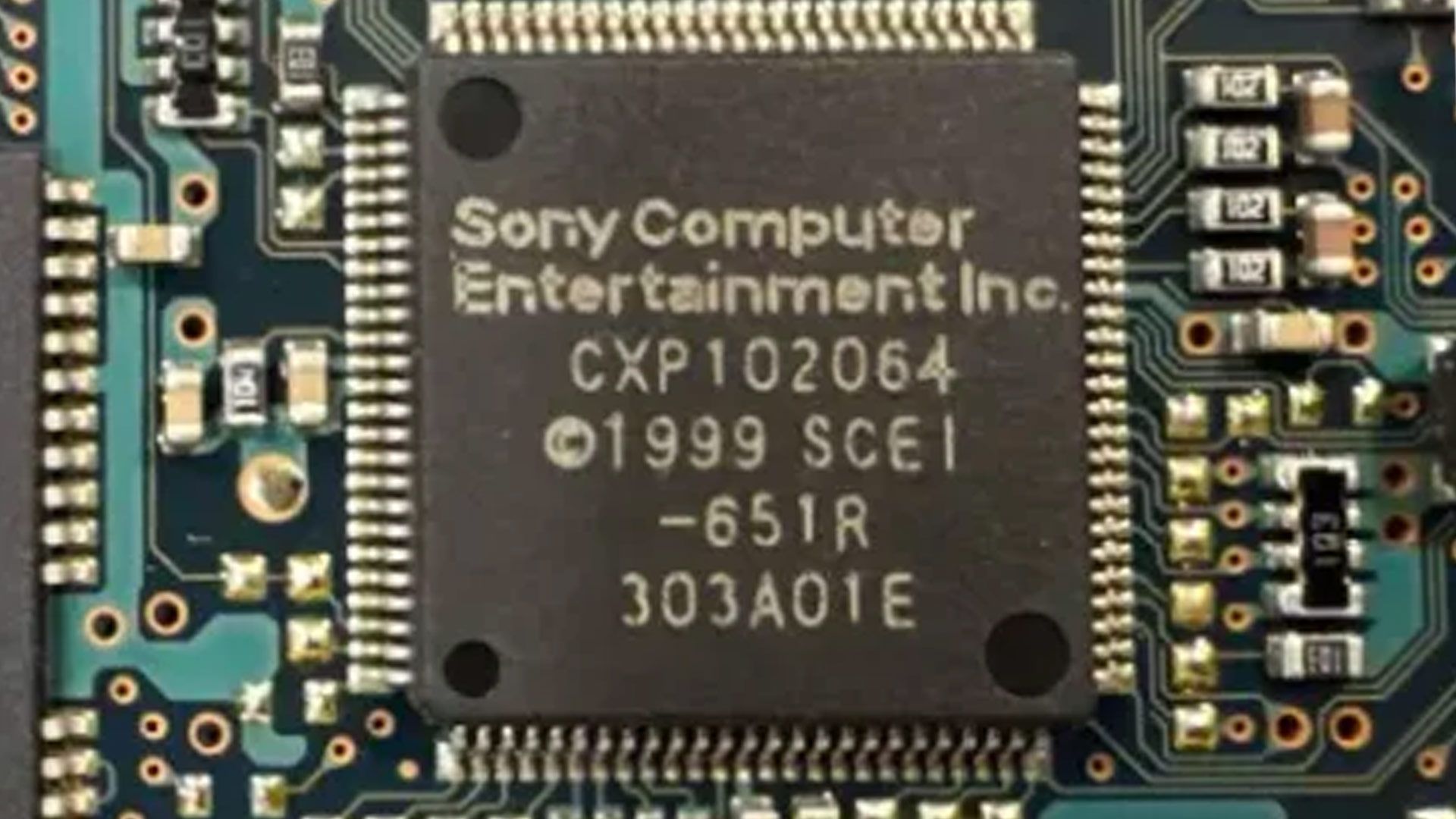
Original Sony PlayStation 2 security chip 'broken wide open' after 26 years
A Canadian hobbyist spent four years chemically decapping and optically dumping the PS2’s CXP102064 MechaCon security chip, finally releasing its ROM. The dump opens up software disc backups, modchip development, and future low‑level emulation of the console’s security mechanisms.
Benchmarking Wild vs Mold
Reproduces Mold’s linker benchmarks on a 16‑core Ryzen, shows that configuration (filesystem, delete‑output, fork) explains most of the Wild vs Mold speed gap, and notes recent Mold releases and upcoming Wild tweaks that close the gap.