proomt

Search

Search posts, papers, and topics

All posts

LobstersPeter Capek13 min readintermediate

IBM Built the Cold War’s Most Powerful Code Breaker for the NSA

Summary

IBM’s Harvest (IBM 7950) was a 1960s NSA‑dedicated streaming coprocessor attached to an IBM Stretch mainframe. It ran up to 200× faster than contemporary machines, used a custom bit‑addressable memory model, pipelined parallel streams (P, Q → R), and introduced the world’s first automated tape library. IBM also created a domain‑specific language, Alpha, for cryptanalytic programmers. The article…

  • Harvest combined a general‑purpose Stretch CPU with a fixed‑function streaming coprocessor that processed two data streams in parallel and wrote a third, enabling continuous high‑throughput cryptanalysis.
  • Memory was bit‑addressable, allowing variable‑width streams (1‑8 bits) and flexible looping, a precursor to modern SIMD and GPU pipelines.
  • The system featured the first robotic tape library (Tractor), automatically fetching hundreds of magnetic tapes to keep the data pipeline fed.
  • IBM built a custom high‑level language, Alpha, to let analysts express cryptographic operations without low‑level hardware details, similar to early Fortran usage for scientific code.

Harvest shows how national‑security pressure drove early accelerator concepts—streaming pipelines, bit‑granular memory, and automated storage—that predate modern GPUs, FPGAs, and data‑stream processing frameworks. Understanding these roots helps engineers appreciate why certain architectural choice…

6/10

Related reading

  1. Inside ZCode: Silently uploading your Git history to the cloud

    ZCode (Zhipu’s AI coding desktop) silently archives your entire workspace—including full .git history, LFS cache, and config—encrypts it with a server‑supplied RSA public key, and uploads the ciphertext directly to Aliyun OSS. The upload runs unconditionally for any logged‑in user, cannot be disabled via UI, and the decryption key lives only on the server, giving Zhipu full read access to your co…

    Hacker News front pageferstar.org6 minpostmortemHN336113
  2. From error mitigation to fault-tolerant quantum computing

    IBM’s blog outlines a practical continuum from quantum error mitigation to fault‑tolerant error correction, highlighting hybrid spacetime codes that achieve ~10× effective error‑rate reduction (64 logical qubits on 76 physical qubits) and a 63× sampling‑overhead cut versus pure mitigation. It describes how post‑selected QEC combined with probabilistic error cancellation, dynamic circuits, and a n…

    IBM Researchibm.com10 min
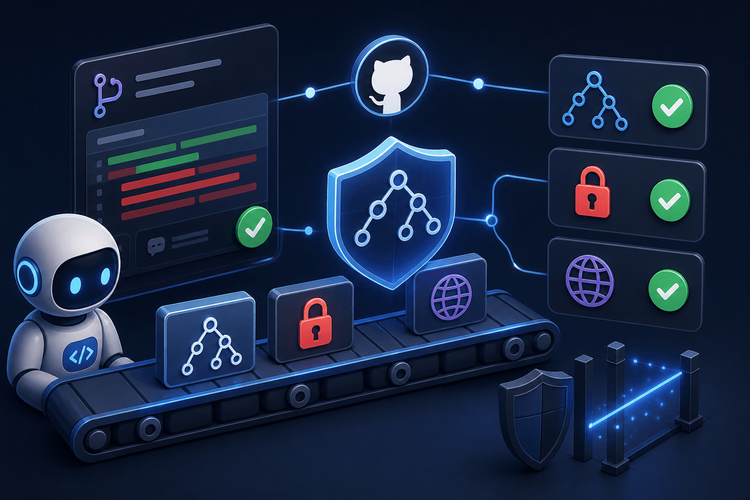
  3. Changing the game: How Google uses agentic AI to secure hundreds of millions of lines of code

    Google’s AI & Infrastructure team built an agentic pipeline (Mantis) that runs pre‑submit AI‑driven scans on every code check‑in, validates findings with a fast triage agent (AST + call‑graph analysis) achieving >92% precision in <1 min, then auto‑generates fixes via a bug‑fix agent. Localized threat models and a two‑step scan cut false‑positives to ~3% and prevent hundreds of vulnerabilities eac…

    Google Cloud Bloggoogle.com4 min
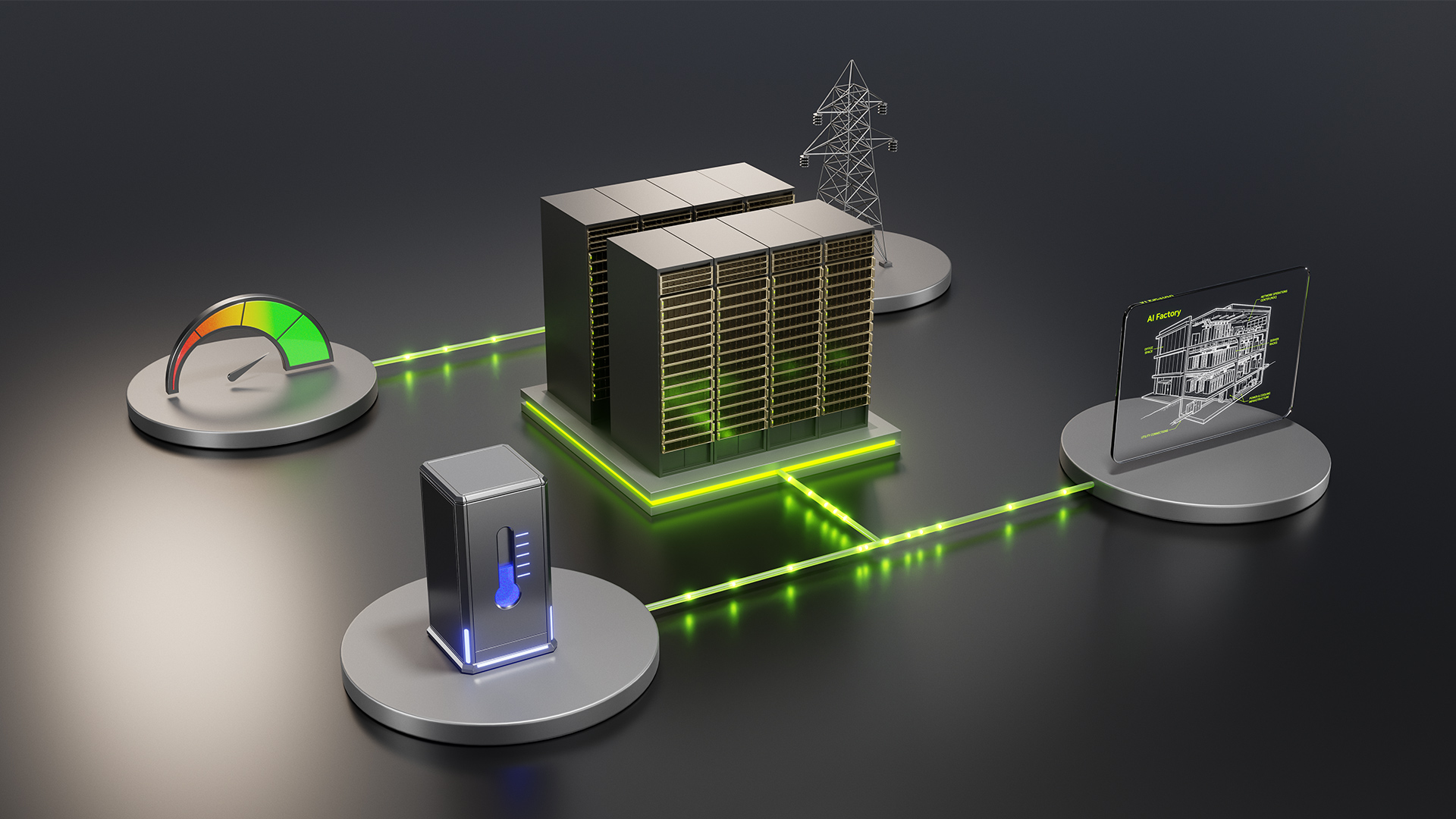
  4. From Megawatts to Tokens: How NVIDIA Maximizes AI Factory Production

    NVIDIA’s DSX platform lets AI data‑centers shift workloads in response to grid signals, squeezing ~24% more token throughput (4 M→5 M tps) and ~23% better performance‑per‑watt on a fixed megawatt budget. The first production demo used Emerald AI’s Conductor to drop a 4 MW load to 3 MW in under a minute without interrupting high‑priority jobs. DSX MaxLPS reallocates headroom across HGX B200 server…

    Nvidianvidia.com5 min