Related reading
Article: Your Next DSL Author Is a Language Model
Typed Domain Grounding (TDG) embeds a DSL inside a mainstream language the LLM already knows (e.g., Kotlin) and uses the host compiler as an oracle. The author describes five building blocks—embedding, choosing a host language with high training‑data frequency, compiler‑driven type safety, a generate‑compile‑repair loop, and an on‑demand teaching tool—and shows measured results from kUML, a Kotli…
InfoQinfoq.com18 minReproducing, disclosing, and fixing the libheif vulnerability with Hacktron and the maintainers
Hacktron reported an RCE in libheif, an AVIF decoder used by Next.js image optimization. Vercel and Hacktron reproduced the issue, then coordinated with upstream maintainers (sharp, libvips, libheif) to deploy platform-wide mitigations and release fixes across the ecosystem.
Vercelvercel.com4 minLambda MicroEgg
lambda-microegg is a Rust e‑graph library that adds scoped, alpha‑aware binders and Miller‑style higher‑order patterns to the Egg framework, enabling capture‑avoiding substitution and higher‑order rewriting with modest performance overhead.
Lobstersphilipzucker.com15 minlobste.rs27Run Terminal-Bench and other Harbor evals on Vercel Sandbox
Vercel now supports running Harbor benchmarks, like Terminal‑Bench, inside its Sandbox using Firecracker microVMs. The integration with AI Gateway lets you benchmark multiple models by swapping the `--model` flag, scaling concurrency with `--n-concurrent`.
Vercelvercel.com1 minreleasePhoton-Emission-Guided Laser Fault Injection Enables RP2350 Secure Debug
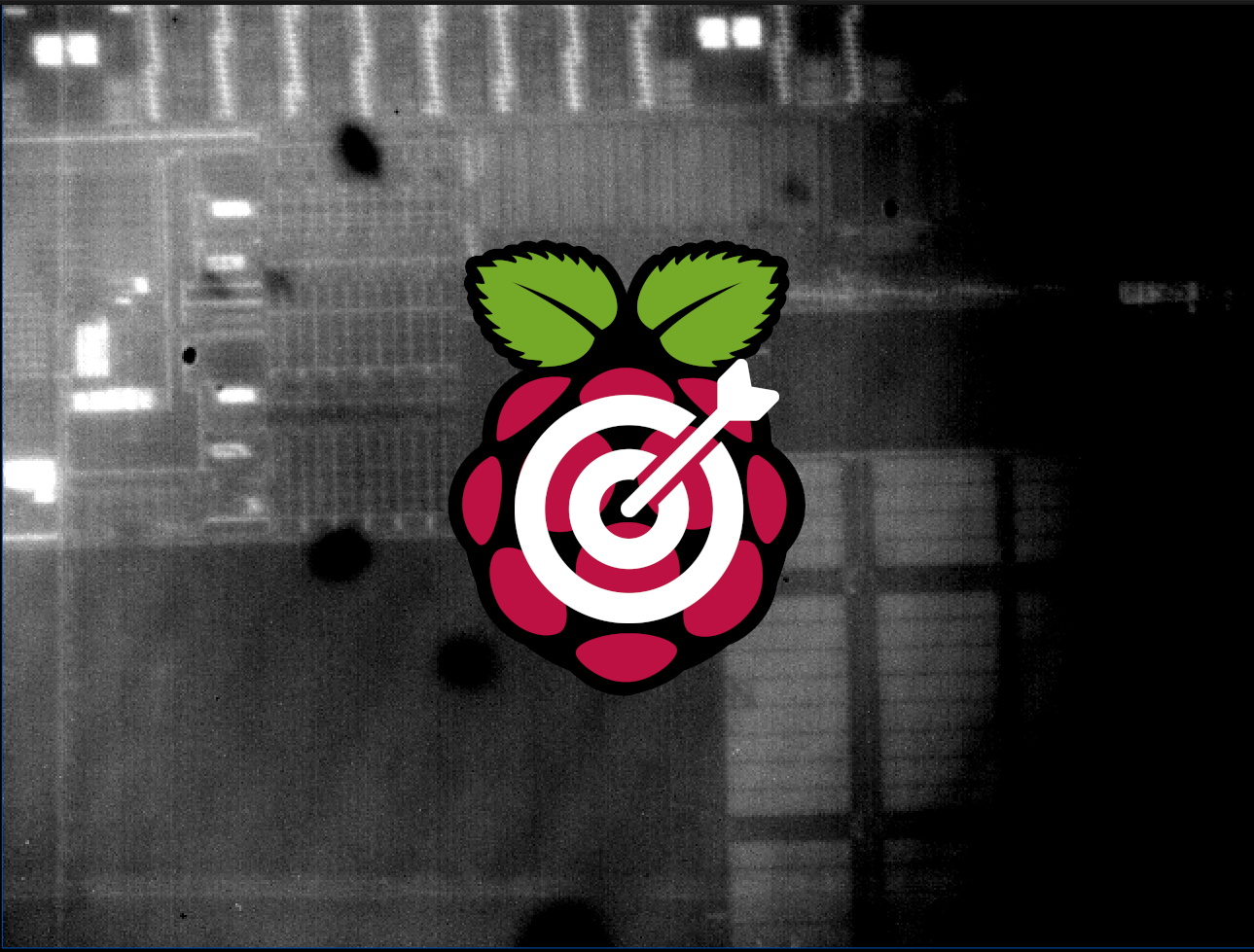
Researchers used photon‑emission microscopy to locate the DEBUGEN register on a decapsulated RP2350, then applied focused laser pulses to flip its bits, re‑enabling Secure debug and extracting a secret stored in OTP memory. The attack needs physical access and a $250 k lab setup, showing that the chip’s permanent debug‑disable can be overridden.
Hacker News front pageledger.com13 minHN21792Nvidia announces native GPU programming in Rust
NVIDIA released CUDA‑Rust, letting you write GPU kernels directly in Rust and compile to PTX. Two programming models are supported: the traditional SIMT model via the `cuda-oxide` backend (nightly Rust, custom codegen) and the newer Tile model via `cutile‑rs` (stable Rust, JIT‑compiled Tile IR). Both provide Rust‑typed safety guarantees (e.g., `DisjointSlice`, tensor partitioning) and simple Carg…
Hacker News front pagenvidia.com11 minHN961402