proomt

Search

Search posts, papers, and topics

All posts

LaravelPaul Redmond3 min readintermediate
Health for Laravel: Kubernetes Probes and Prometheus Metrics

Summary

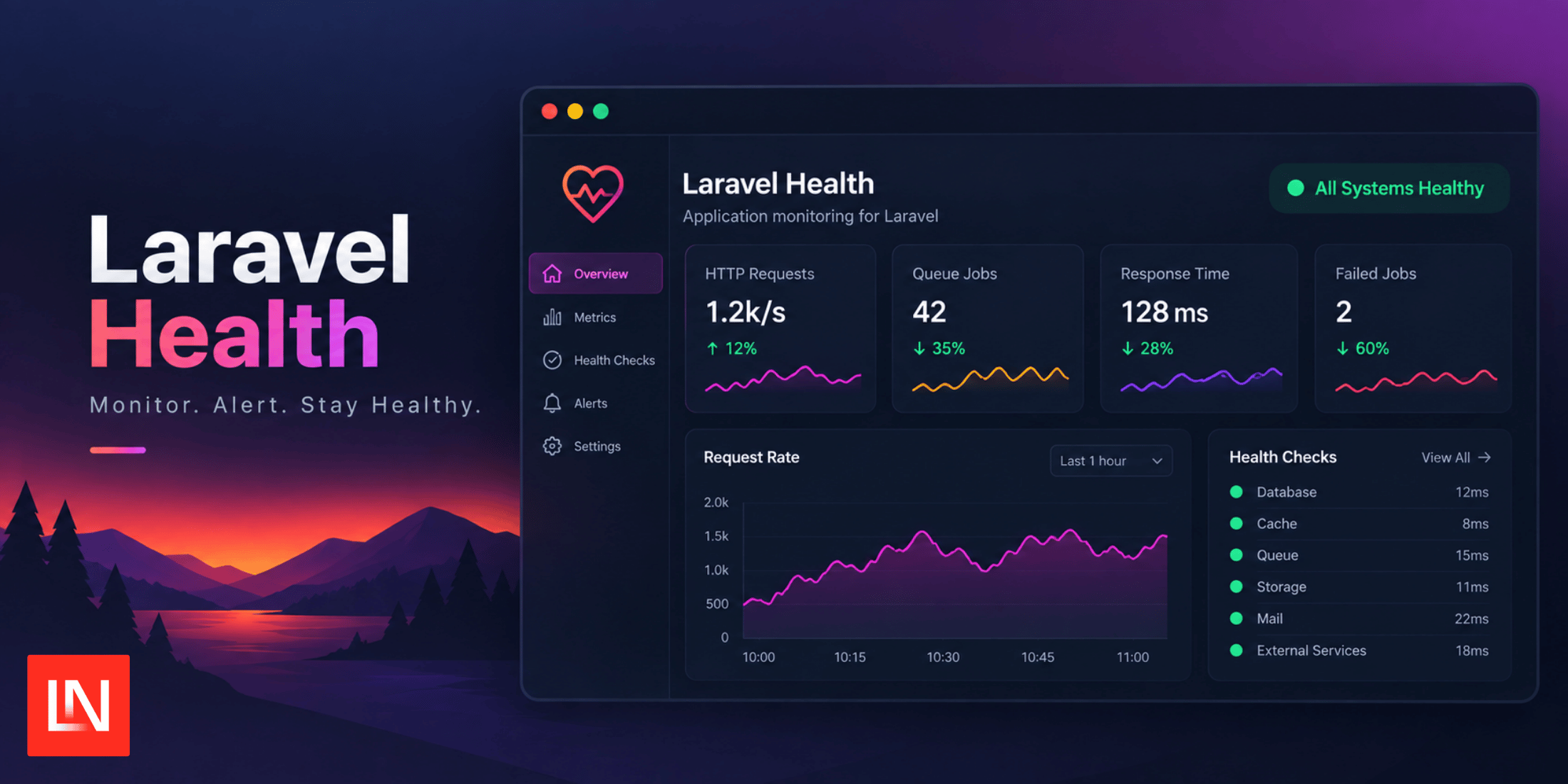
Laravel Health adds dedicated liveness, readiness, and startup probe endpoints that you can configure per‑check, and a Prometheus metrics endpoint exposing check status, duration, and container system gauges. The package includes built‑in checks, custom check support, CLI runner, and optional UI, making Kubernetes health monitoring straightforward for Laravel apps.

  • Separate `/health`, `/health/ready`, and `/health/startup` endpoints are configurable via `config/health.php` with distinct check lists.
  • Built‑in checks cover DB, cache, queue, storage, Redis, env, schedule, CPU, memory, and disk; custom checks implement the HealthCheck contract.
  • Prometheus endpoint `/health/metrics` provides per‑check status/duration gauges plus container metrics like memory limit, usage, CPU quota, throttling, and OOM kills.
  • `php artisan health:check` runs checks from the CLI; results are cached 10 seconds and can be filtered by probe type.

Laravel engineers deploying to Kubernetes need ready‑made health probes and Prometheus metrics to keep pods healthy and observable without writing custom glue code.

6/10

Related reading

  1. Kubernetes 1.37 Released: Stable Metrics API and Rootless Kubelet in Beta

    Kubernetes 1.37 (Garhwal) ships GA Metrics API, beta rootless kubelet, GA resilient watchcache, GA pod certificates, and a suite of alpha/beta features (workload‑aware scheduling, pod checkpoint/restore, StatefulSet Recreate strategy). The release focuses on stability, security, and AI/ML cost‑optimisation.

    InfoQinfoq.com2 minrelease
  2. Health Check-up for Your Jenkins

    Kohsuke Kawaguchi outlines a few low‑effort ways to keep a Jenkins instance healthy: use jconsole to watch old‑gen heap usage, the Monitoring plugin (or Nagios) to record HTTP latency and queue length, inspect thread dumps for slow pages, and review the built‑in load chart to spot agent under‑/over‑utilisation.

    Codeshipcloudbees.com3 min
  3. Laravel Scalpel Scans for Filesystem Intrusion Evidence

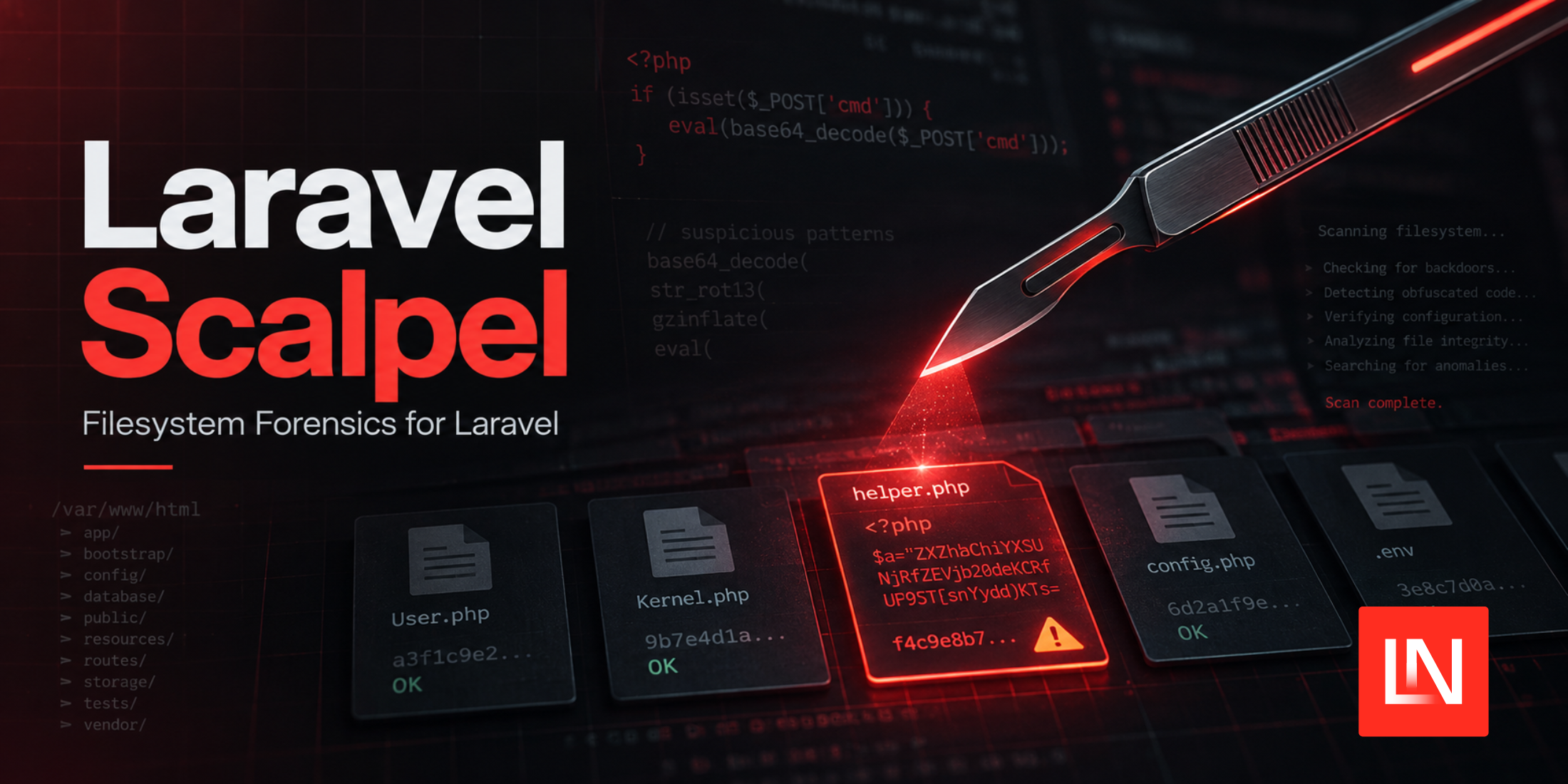
    Laravel Scalpel is a Laravel‑native scanner that looks for post‑deployment filesystem tampering – rogue PHP files, obfuscated backdoors, altered .htaccess/.user.ini, missing or mis‑configured .env, and diffs against a signed baseline. It ships with six built‑in scanners, baseline snapshot commands, fast vs strict hashing modes, CI‑friendly output (JSON, SARIF, GitHub annotations) and a ScanFinish…

    Laravellaravel-news.com5 min
  4. Laravel Vet: Review Composer Code Before It Installs

    Laravel Vet is a Composer plugin that intercepts installs/updates, shows the diff of each package, and lets you approve changes manually or via an LLM‑based coding agent. Trusted packages are recorded in a `vet.json` with a content hash, so future updates only prompt for new changes. The tool exits with an error on untrusted code, making it CI‑friendly, and works with any PHP project using Compos…

    Laravellaravel-news.com4 min
  5. Building Sentry's Laravel AI Integration

    Sentry added zero‑config Agent Tracing for Laravel AI agents. The integration hooks into Laravel AI events and HTTP request events to create Chat spans for each LLM call, matching requests by provider URL prefix. Updating to sentry‑laravel 4.27 automatically instruments agents without any user code changes.

    Sentrysentry.io4 min