proomt

Search

Search posts, papers, and topics

observability

RSS
  1. 1

    Inside ZCode: Silently uploading your Git history to the cloud

    ZCode (Zhipu’s AI coding desktop) silently archives your entire workspace—including full .git history, LFS cache, and config—encrypts it with a server‑supplied RSA public key, and uploads the ciphertext directly to Aliyun OSS. The upload runs unconditionally for any logged‑in user, cannot be disabled via UI, and the decryption key lives only on the server, giving Zhipu full read access to your co…

    Hacker News front pageferstar.org6 minpostmortemHN336113
  2. 2

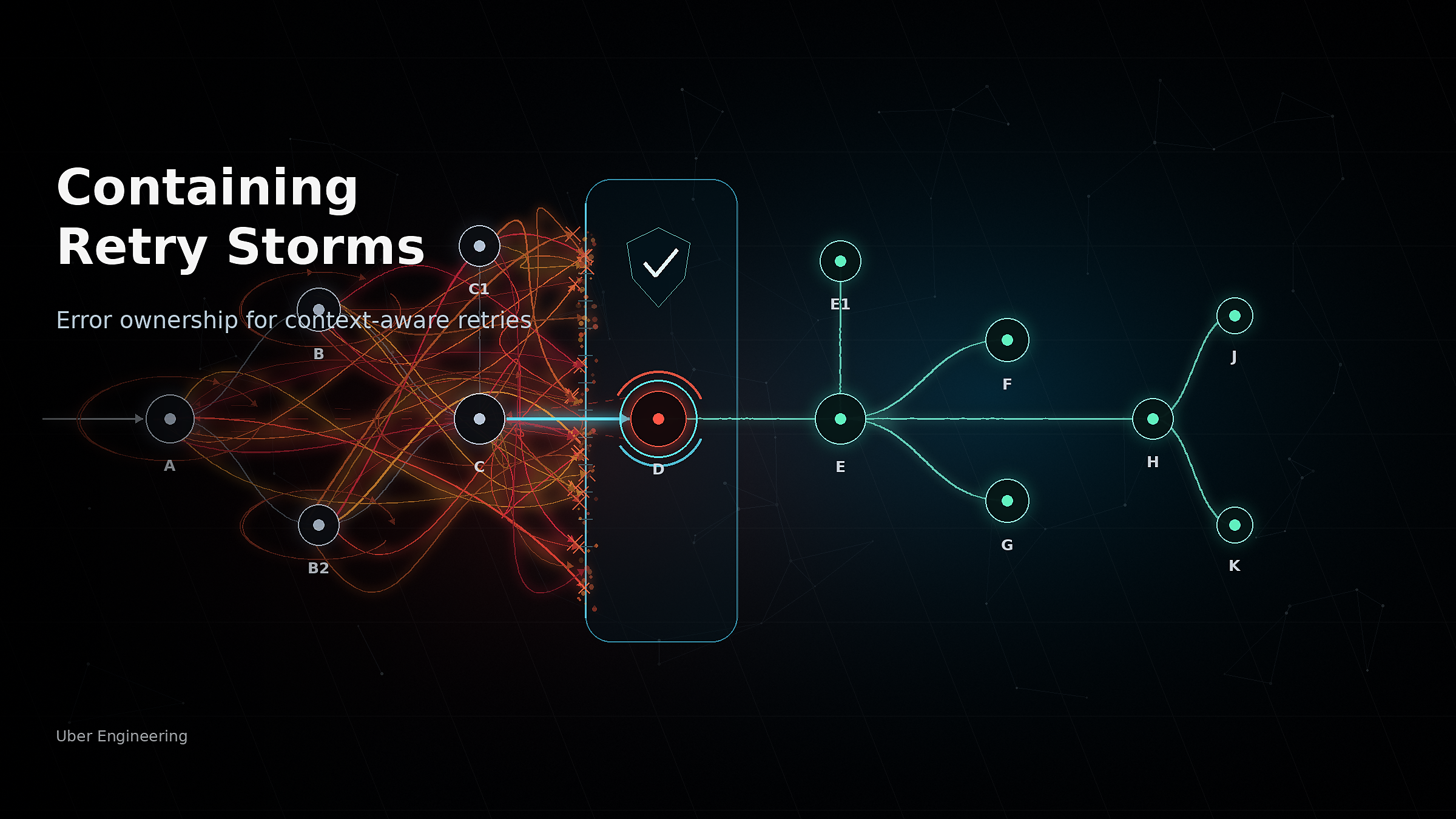
    How Uber Protects Against Retry Storms

    Uber developed a context-aware mechanism to prevent retry storms in deep microservice dependency chains. It introduces "error ownership" where services claim errors they originate and unclaim errors they propagate, allowing upstream callers to make informed retry decisions and avoid amplifying load on already struggling services.

    Hacker News front pageuber.com12 minHN11949
  3. 3

    Trying the Software Factory Pattern

    The post describes an experiment implementing the software‑factory pattern: an AI‑driven loop that audits a Linear project, syncs goals from Notion, metrics from Datadog/Snowflake, creates and updates issues, and executes non‑blocked tasks. It shows how tying together a unified task tracker, observability data, and an orchestrated agent harness can keep projects aligned without manual state hoard…

    Hacker News front pagelethain.com3 minHN8745
  4. 4

    Can we stop with the uptime percentages?

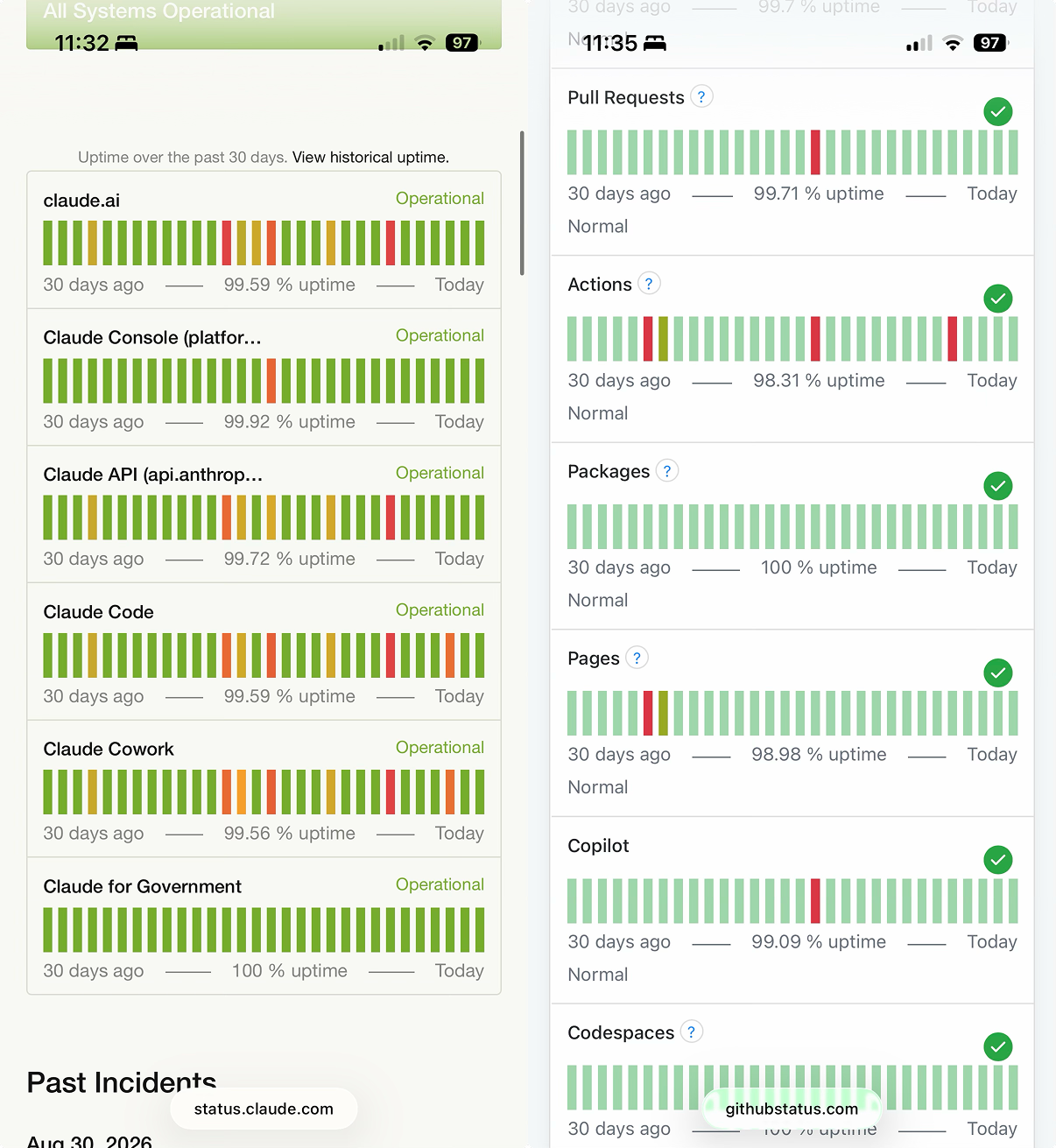
    This article argues that uptime percentages are a poor public interface for communicating service reliability because their non-linear nature is not intuitive to non-infrastructure people. It proposes showing absolute downtime (e.g., hours affected) alongside percentages for better clarity for a general audience.

    Hacker News front pagejim-nielsen.com2 minHN144112
  5. 7

    Towards Self-Driving Codebases

    The post argues that AI agents could eventually handle low‑level engineering tasks—bug fixing, debugging, UI consistency, growth experiments—if the dev toolchain is made “agent‑legible”. It outlines missing primitives (global memory, code‑base rot prevention, better dev environments) and proposes a bootstrapping process to measure and improve a repo’s “agent readiness”. The piece is largely specu…

    Hacker News front pagedetail.dev9 minHN12099
  6. 9

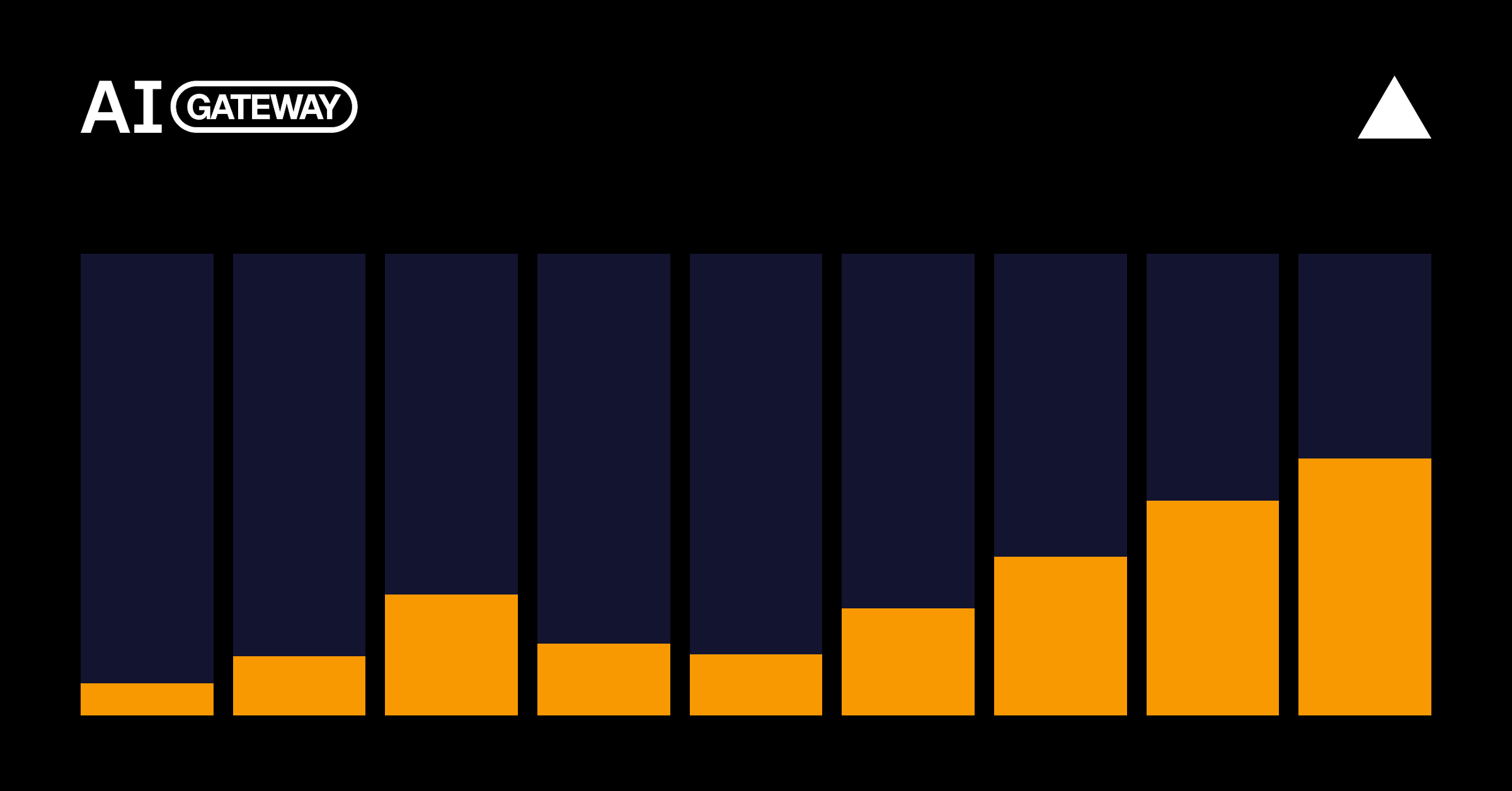
    TypeSafe AI's Jev now available on AI Gateway

    Vercel AI Gateway now offers Jev, a probabilistic decision model that returns typed choices, scores, and booleans instead of raw text. TypeSafe AI reports it runs up to 193× faster and 445× cheaper than standard LLMs, exposed via the experimental evaluate API in AI SDK 7.

    Vercelvercel.com2 minrelease
  7. 10

    AI Changed How Spotify Builds. What We Learned (and Fixed) About Quality at Higher Velocity

    Spotify’s AI‑assisted development doubled change volume, exposing gaps in alerting, capacity planning, fleet‑update safety, and mobile quality signals. The team added end‑to‑end monitoring, priority‑based tiering, stronger rollback/observability, and expanded edge capacity. Data shows AI‑generated code isn’t a direct incident cause, but verification pipelines must scale with velocity.

    Spotifyatspotify.com7 minpostmortemHN52
  8. 12

    OpenTelemetry everywhere: Migrating a metrics platform at scale

    Atlassian replaced its decade‑old gostatsd‑based metrics pipeline with a fully OpenTelemetry‑based stack by keeping the StatsD‑UDP contract on the client side and swapping in purpose‑built OTel Collector distributions for collection, ingest, aggregation, and forwarding. The migration was done incrementally, saved ~3.9% CPU per service, cut sidecar cost ~30% fleet‑wide, halved aggregation CPU, and…

    CNCFcncf.io6 minHN1
  9. 13

    Build Your Own AI Agent Harness in C#, the MafClaw Live Series

    The post walks .NET developers through using Microsoft Agent Framework's harness to turn a simple IChatClient into a fully‑featured C# AI agent, showing code for tool integration, file sandboxing, approval flows, and memory, then outlines further capabilities like skills and observability.

    .NETmicrosoft.com10 minHN2
  10. 14

    Open-weight models take 56% of token volume, Astra doubles Fable 5.1 spend

    Vercel’s September AI Gateway Production Index shows open‑weight models processing 56% of token volume (up from 7% in Dec 2025) while accounting for only 14% of spend. Token price fell 23.2% month‑over‑month. Anthropic’s Opus 5 captured 22.5% of spend, overtaking Fable 5 which dropped to 4.9%. OpenAI’s new GPT‑6 Astra grabbed ~7.7% of total gateway spend in its first 12 days, more than double Ant…

    Vercelvercel.com6 minHN2
  11. 15

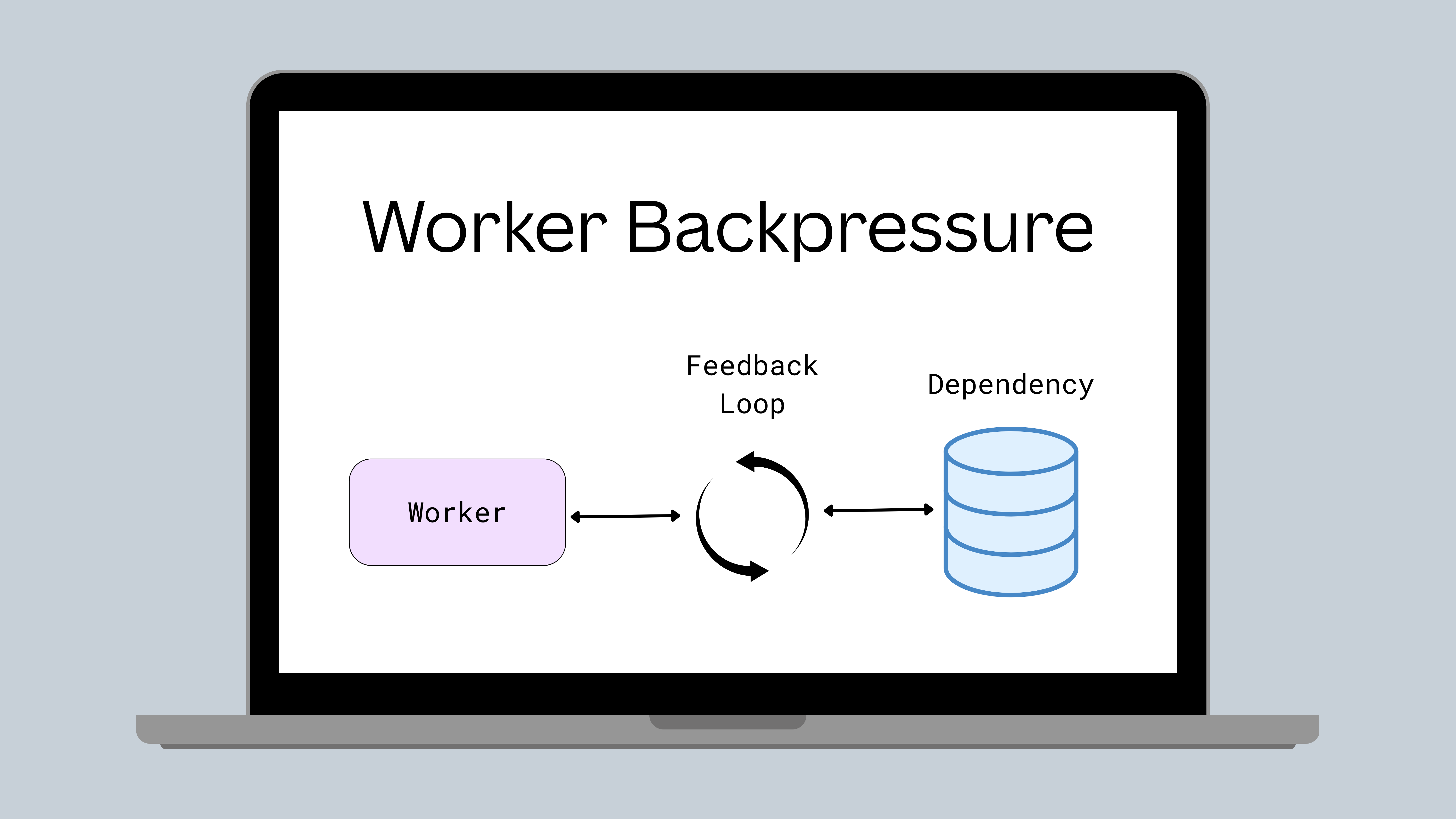
    Worker Backpressure (Part 1)

    Canva added a lightweight, local backpressure loop to its queue worker library that monitors per‑message success/failure, computes a backoff factor against a configurable failure‑rate set‑point, and throttles the worker’s concurrency. In two real incidents the mechanism kept failure rates under 2 % fleet‑wide, limited DLQ growth to a handful of messages, and maintained throughput without manual i…

    Canvacanva.dev10 min
  12. 16

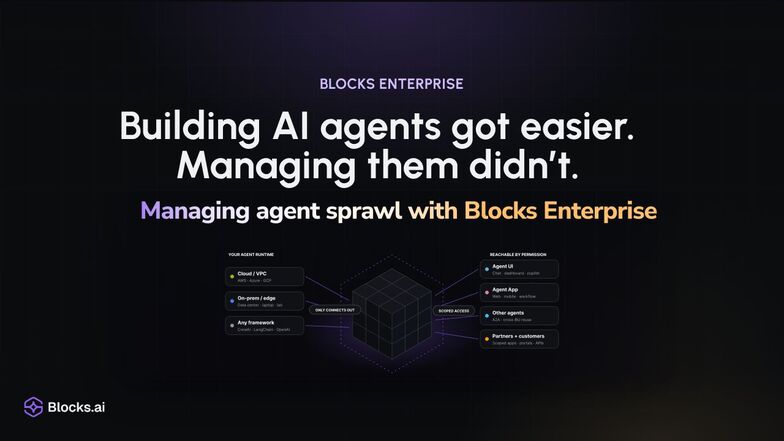
    Building an Internal Developer Platform with Artificial Intelligence

    This article discusses building internal developer platforms with AI agents that use semantic search across internal data sources like Git, Slack, and Jira. It highlights the need for guardrails to control agent actions and comprehensive observability via logs, metrics, and traces to understand agent behavior and improve developer experience.

    InfoQinfoq.com4 min
  13. 17

    Presentation: Context Engineering at LinkedIn: How We Built an Organizational Context Layer for AI Agents with MCP

    LinkedIn built a “Contextual Agent Playbooks and Tools” layer that wraps internal services (code search, docs, feature flags, etc.) behind the open‑source Model Context Protocol (MCP). By feeding LLM‑powered coding agents the exact internal artifacts they need, the agents can diagnose incidents, generate PRs, and update incident tickets in minutes, delivering a reported 20 % productivity gain wit…

    InfoQinfoq.com28 mintalk
  14. 18

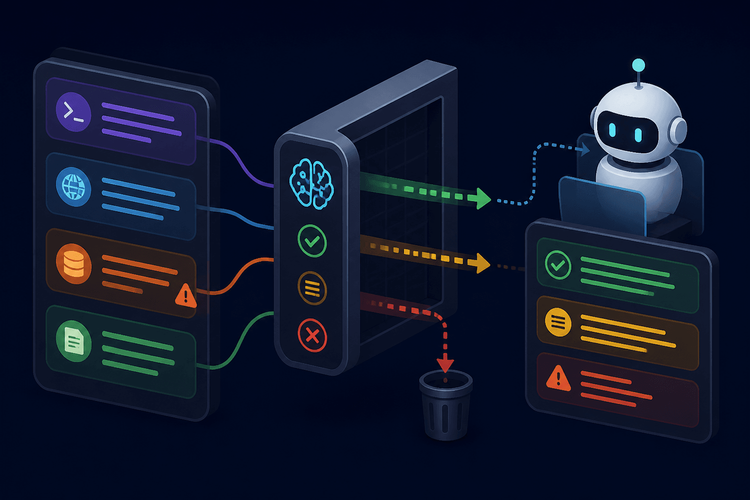
    Build a Typed Context Compaction Gate for AI Agents

    A step‑by‑step tutorial showing how to build a typed context‑compaction gate for AI agents in TypeScript using LangChain and Zod. It defines a discriminated‑union schema for keep/summarize/discard actions, implements a fast gpt‑4o‑mini classifier, validates decisions at runtime, and wires the gate as middleware in an agent loop, with testing and production‑grade tuning advice.

    SitePointsitepoint.com16 min
  15. 19

    Building Sentry's Laravel AI Integration

    Sentry added zero‑config Agent Tracing for Laravel AI agents. The integration hooks into Laravel AI events and HTTP request events to create Chat spans for each LLM call, matching requests by provider URL prefix. Updating to sentry‑laravel 4.27 automatically instruments agents without any user code changes.

    Sentrysentry.io4 min
  16. 21

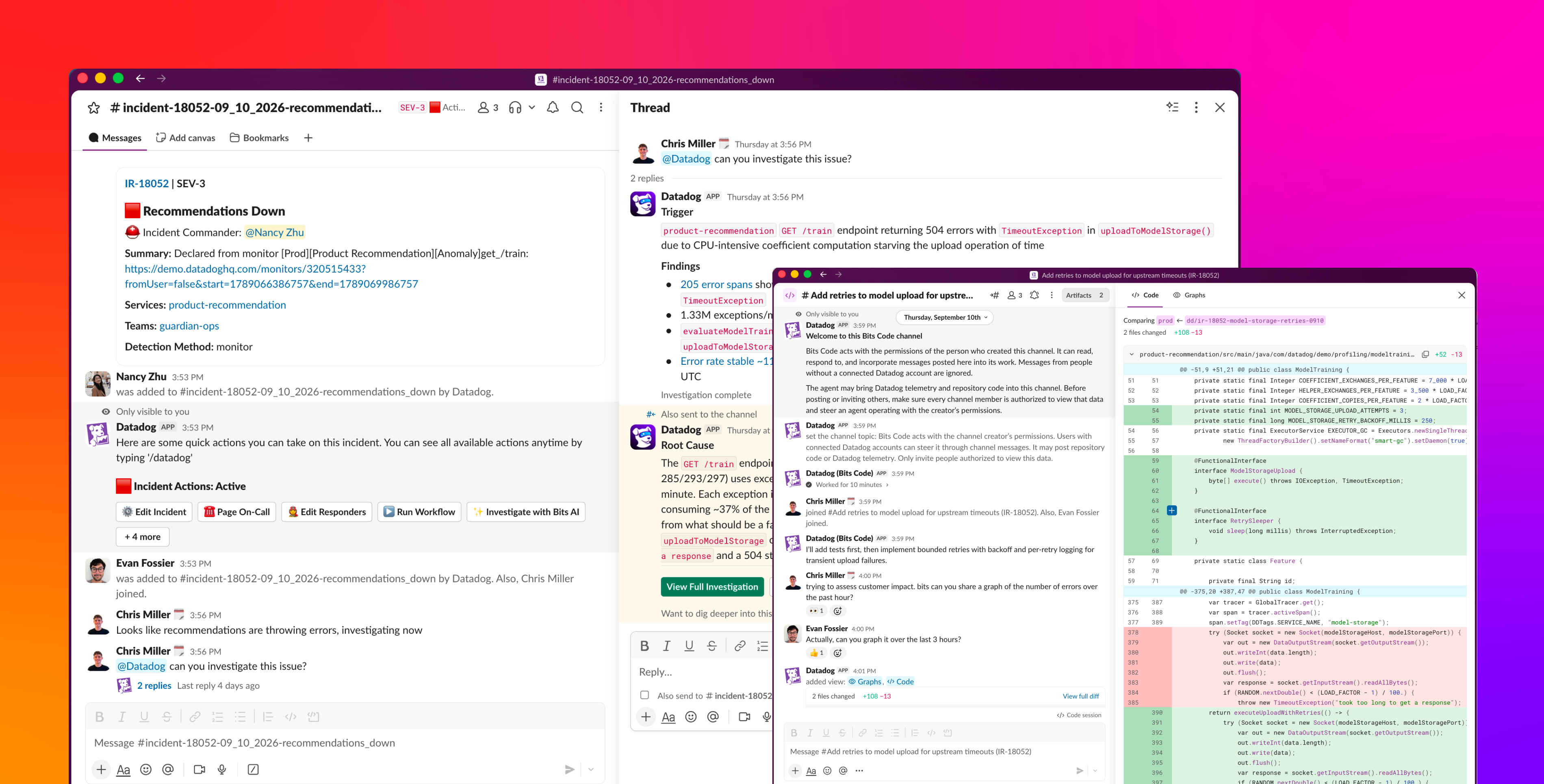
    From alert to resolution: Manage incidents with Bits Chat in Slack

    Datadog’s Bits Chat adds a natural‑language interface to Slack, letting responders start investigations, get root‑cause analysis, generate code fixes, and close incidents without leaving the channel. The post walks through a sample e‑commerce outage to show the end‑to‑end workflow.

    Datadogdatadoghq.com4 min
  17. 23

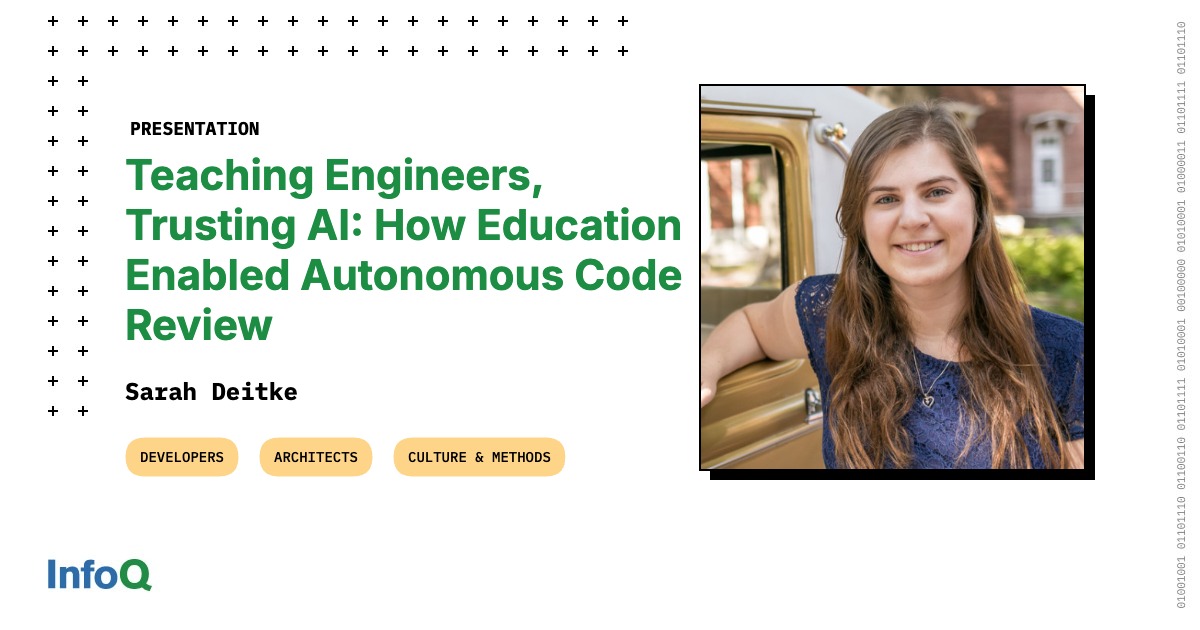
    Presentation: Teaching Engineers, Trusting AI: How Education Enabled Autonomous Code Review

    Duolingo’s DevEx AI team built a program of AI‑literacy workshops, observability dashboards, office‑hours, and vendor partnerships to get engineers comfortable with LLM‑based tools. With that foundation they launched a PR‑risk‑assessment bot that auto‑approves low‑risk pull requests, cutting review bottlenecks while keeping defect rates flat.

    InfoQinfoq.com24 mintalk
  18. 24

    Agent Anomaly Detection, now in Private Preview on the Gemini Enterprise Agent Platform

    Google’s Gemini Enterprise Agent Platform now offers a private‑preview Agent Anomaly Detection service that asynchronously analyzes agents’ OpenTelemetry traces and logs to flag risky behavior (e.g., tool misuse, privilege abuse) without adding latency, surfacing findings in Security Command Center and via an API for automated mitigation.

    Google Developersgoogleblog.com4 min
  19. 25

    Best practices for handling cloud reliability incidents

    The article outlines a structured Verify→Investigate→Report→Resolve→Review workflow for GCP reliability incidents and stresses pre‑incident preparation across design, data, playbooks, and training. It lists concrete tools (Cloud Logging, Service Health, Gemini Assist) and reporting steps to help engineers reduce outage impact.

    Google Cloud Bloggoogle.com11 min
  20. 26

    The Web Search Your Agent Inherited Isn't Good Enough

    Omnigent is a unified agent definition layer that lets you write an LLM‑agent once and run it on any harness (Claude Code, Codex, raw API). By plugging Nimble’s specialized web‑search API into the Omnigent web_search builtin, you get consistent, deeper, and cheaper web results – benchmark accuracy jumps from 46 % to 71 % and search cost halves. All model calls go through Databricks Foundation Mod…

    Databricksdatabricks.com7 min
  21. 27

    What four people at Hostinger actually do with AI all day (and what happens when you have an agentic beef)

    Hostinger staff use custom AI agents to automate daily tasks—from code reviews to influencer lead sourcing—shifting their work from doing the work to managing the agents. Building reliable “harnesses” (prompt contexts, constraints) consumes most of the engineering effort, and agents still hallucinate, repeat work, or suggest unsafe fixes, so human oversight remains essential.

    Hostingerhostinger.com8 min
  22. 29

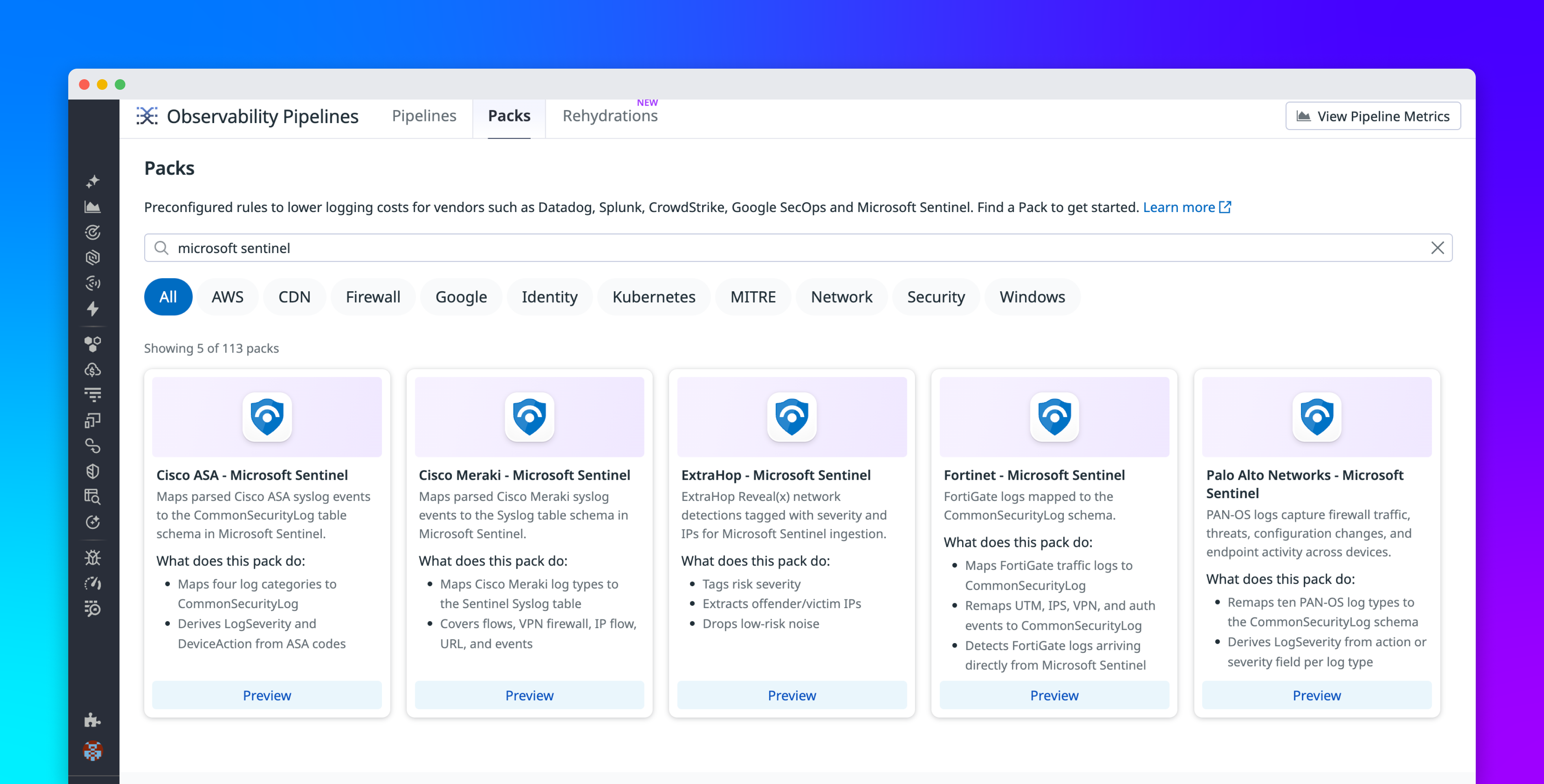
    Transform and route security logs to Microsoft Sentinel tables using Observability Pipelines

    Datadog Observability Pipelines now ships pre‑built Microsoft Sentinel Packs that map logs from Palo Alto, Fortinet, Cisco ASA, Cisco Meraki, and ExtraHop into Sentinel’s CommonSecurityLog or Syslog tables. Packs handle field extraction, severity derivation, and device‑action mapping, letting you filter or drop low‑value events before ingest, validate mappings with Live Capture, and reduce per‑GB…

    Datadogdatadoghq.com5 min
  23. 30

    Microsoft Open-Sources TauGrid to Simplify AI Workload Management on Kubernetes

    Microsoft open‑sourced TauGrid, a Helm‑installable platform that bundles Kueue, KubeRay and other components to schedule, monitor and checkpoint AI workloads on GPU‑enabled Kubernetes clusters. Engineers define jobs in a simple `tau.yaml`, and TauGrid handles queuing, health checks, and observability, simplifying AI workload management.

    InfoQinfoq.com2 min