Related reading
Learning Programming in an Age of LLMs
Mark Seemann reflects on learning to program in the era of LLMs, sharing personal history, doubts about AI‑driven development, and advice to focus on fundamentals and ask verifiable questions of models.
Non Cogito, Ergo Quid Sum?
The essay argues that LLMs are already outperforming human programmers and rapidly becoming cheaper, which could render software engineers obsolete. It warns of societal consequences and doubts that handcrafted code will retain premium value.
Yegor Bugayenkoyegor256.com5 minPrevent cognitive debt by manually retyping LLM-generated code
Ankur Sethi argues that manually retyping LLM-generated code helps prevent cognitive debt. This practice, though slower, aids in understanding the code, catching errors, and maintaining a strong mental model of the codebase.
Freek Van der Hertenfreek.dev1 minEven with LLMs, Let’s Pair Together
This article argues that pair programming remains valuable even with the rise of LLMs, helping engineers critically evaluate AI output, improve tool interaction, and preserve essential human collaboration. It suggests pairing can transform LLM downtime into productive planning or tool improvement.
Atomic Objectatomicobject.com3 minHow To Write With An LLM
Simon Willison argues that LLMs should be used as copyeditors, not as writers, and proposes a strict rule never to reuse any phrase they suggest. He shares a prompt for building a personal LLM proofreading tool.
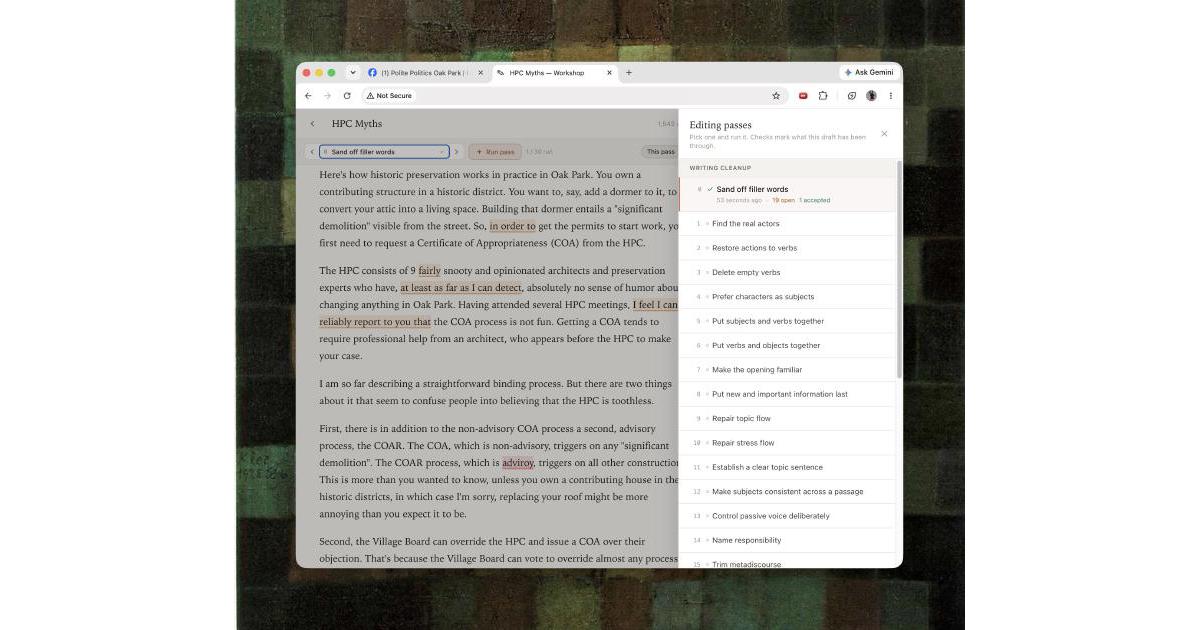
Simon Willisonsimonwillison.net1 minHow to Write with an LLM
The post proposes a two‑rule workflow for using LLMs as copy‑editors rather than ghostwriters: never adopt a phrase the model suggests, and block its encouragement feedback. It then shows how to automate iterative copy‑editing with a small Python/HTMX/Tailwind app and a set of concrete prompts.
Hacker News front pagesockpuppet.org6 minHN712401