proomt

Search

Search posts, papers, and topics

All posts

NvidiaVishal Ganeriwala2 min readrelease notesintro
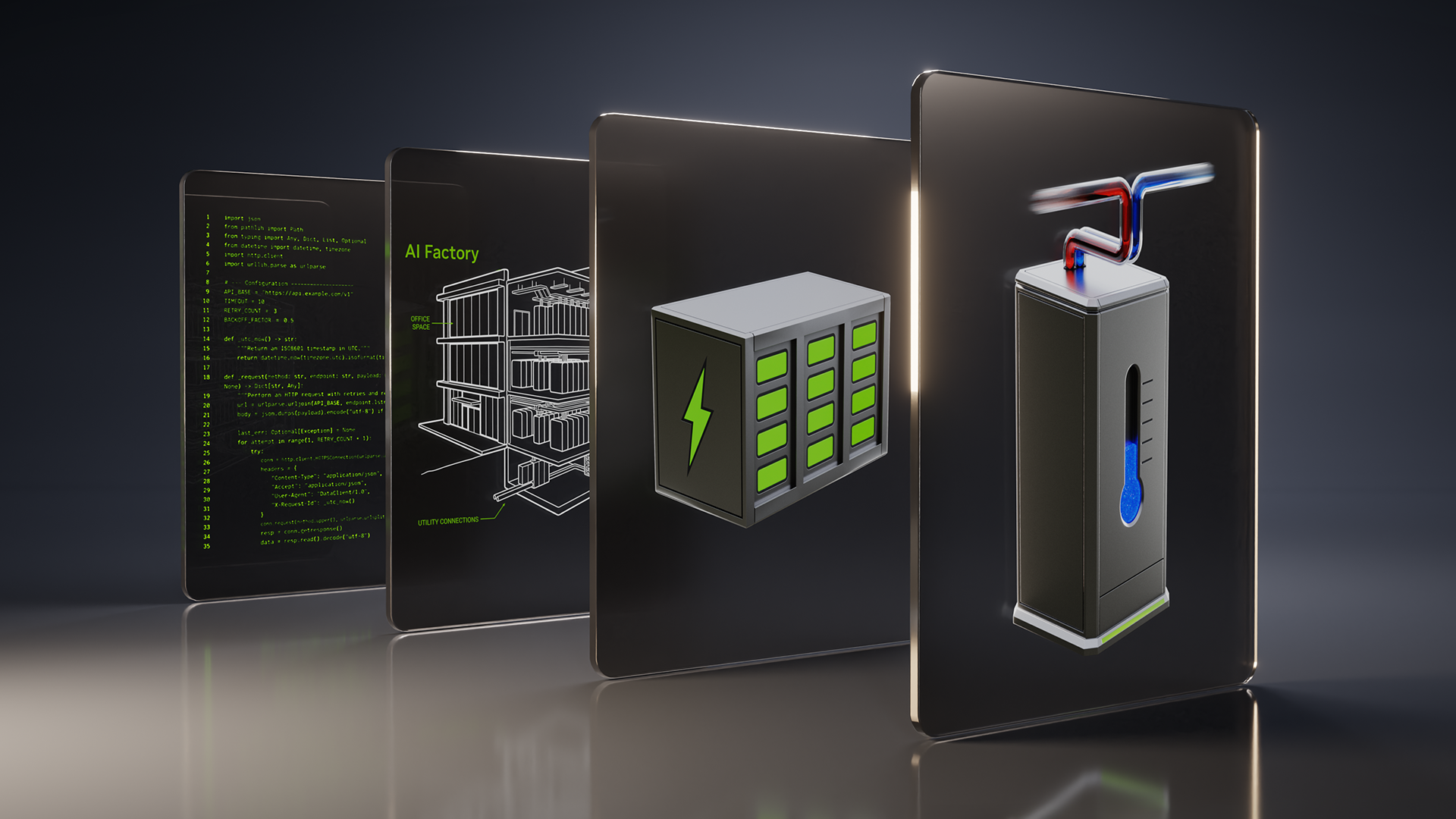
NVIDIA Launches DSX Ready to Qualify Power and Cooling Products for AI Factories

Summary

NVIDIA introduced DSX Ready, a qualification program for power and cooling products that meet its AI‑factory reference design requirements. The first categories—battery energy storage systems and cooling distribution units—now have qualified partners such as Hitachi Energy, LG, Tesla, LiquidStack, and Vertiv.

  • DSX Ready links NVIDIA’s AI‑factory reference design to vetted partner hardware, reducing integration risk for builders.
  • Initial qualified categories are BESS (battery storage) and CDUs (cooling distribution units) with specific partner offerings listed.
  • Qualification involves running NVIDIA‑defined tests and submitting data; it does not replace site‑level engineering validation.
  • The program aims to streamline selection of power and cooling components within overall AI‑factory constraints.

Infrastructure teams building AI factories need trusted, qualified power and cooling solutions to avoid bottlenecks and integration delays.

3/10
Related reading

  1. From Megawatts to Tokens: How NVIDIA Maximizes AI Factory Production

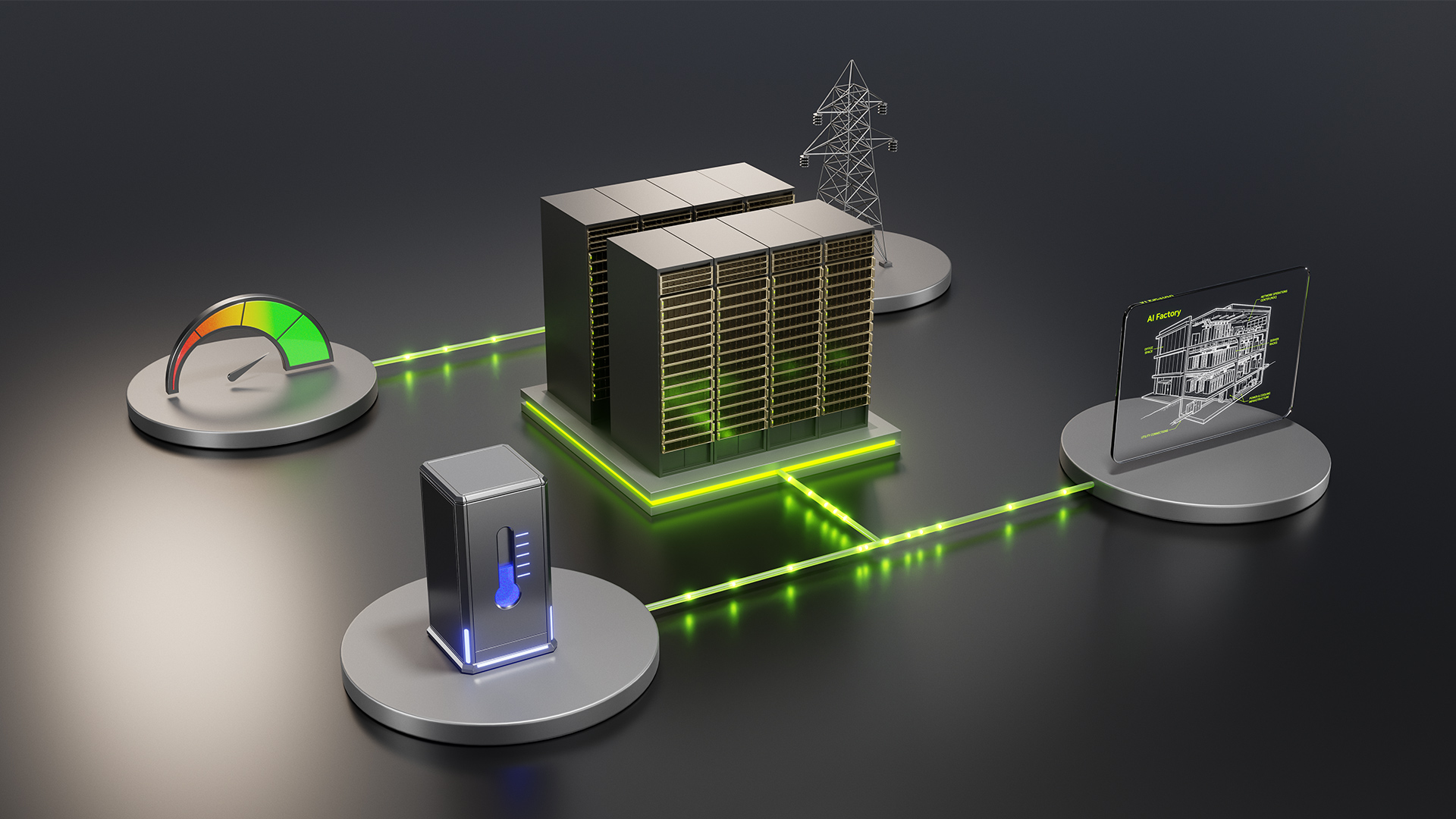
    NVIDIA’s DSX platform lets AI data‑centers shift workloads in response to grid signals, squeezing ~24% more token throughput (4 M→5 M tps) and ~23% better performance‑per‑watt on a fixed megawatt budget. The first production demo used Emerald AI’s Conductor to drop a 4 MW load to 3 MW in under a minute without interrupting high‑priority jobs. DSX MaxLPS reallocates headroom across HGX B200 server…

    Nvidianvidia.com5 min
  2. 5 Companies Using NVIDIA AI for Clean Energy

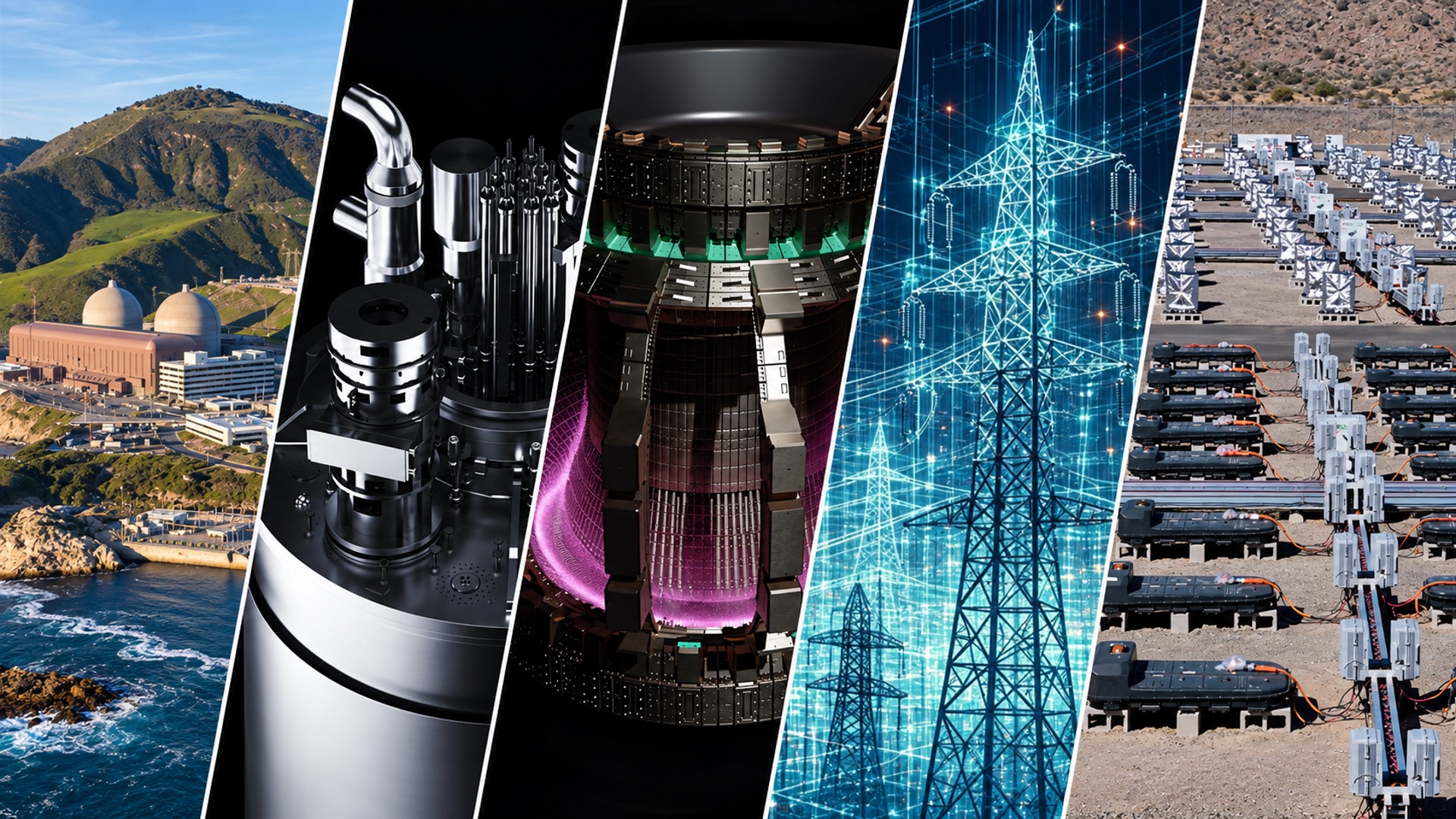
    Nvidia’s blog spotlights five companies that are using Nvidia AI platforms to accelerate clean‑energy projects—from grid interconnection and nuclear plant operations to off‑grid AI data‑center power, advanced reactors, and fusion tokamaks. The article is a marketing summary and provides few technical details.

    Nvidianvidia.com4 min
  3. Why Deploying Physical AI at Scale Demands Safety at Every Layer

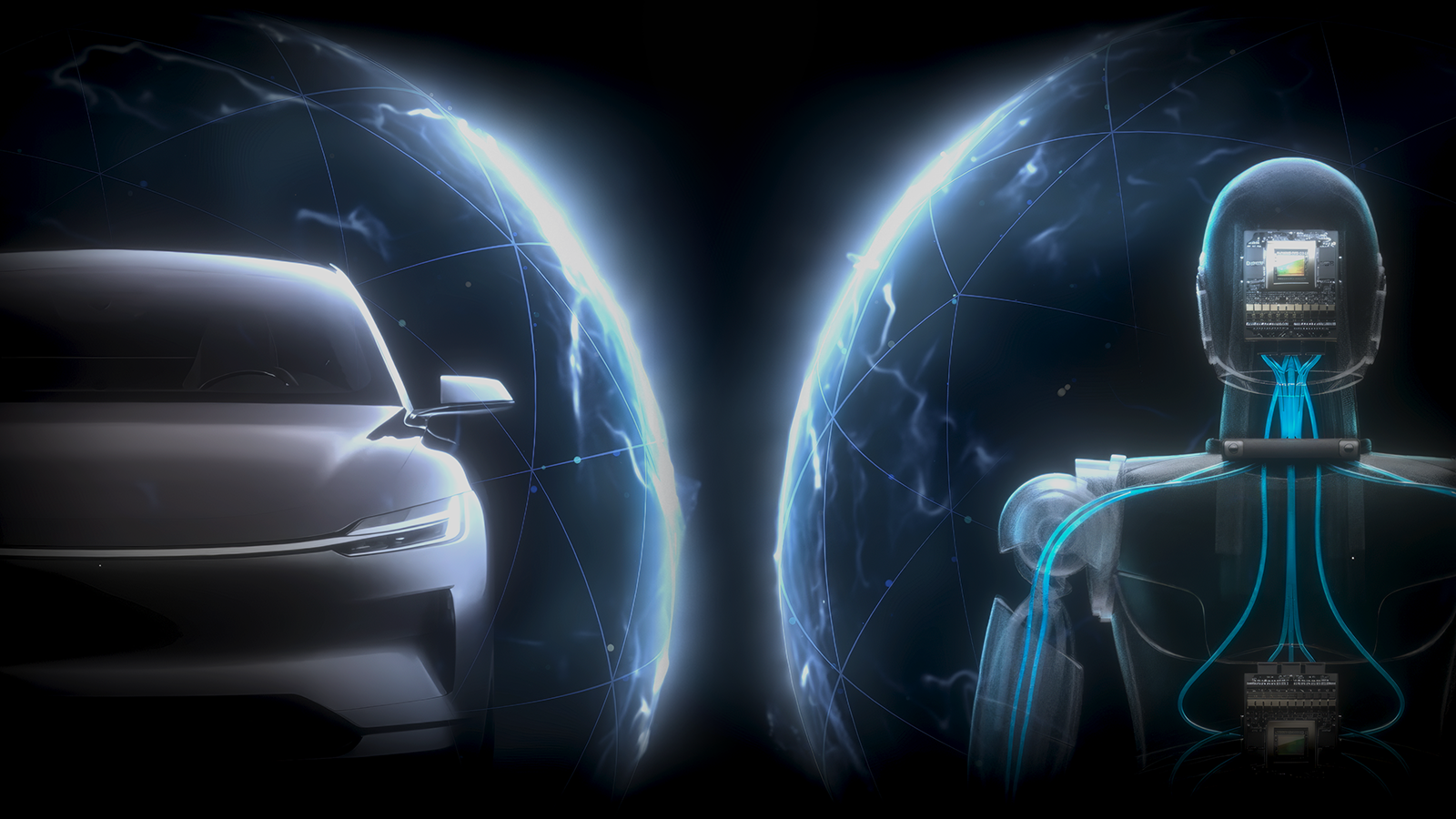
    NVIDIA’s Halos platform is a full‑stack safety system for physical AI (autonomous vehicles and industrial robots). It bundles safety‑engineered hardware (DRIVE AGX Thor, IGX Thor), an ASIL‑D certified OS (Halos OS), middleware for isolation and monitoring, AI models for explainability (Alpamayo), and simulation/validation tools (Isaac Lab, Omniverse). The blog argues that scaling physical AI requ…

    Nvidianvidia.com5 min
  4. Nvidia announces native GPU programming in Rust

    NVIDIA released CUDA‑Rust, letting you write GPU kernels directly in Rust and compile to PTX. Two programming models are supported: the traditional SIMT model via the `cuda-oxide` backend (nightly Rust, custom codegen) and the newer Tile model via `cutile‑rs` (stable Rust, JIT‑compiled Tile IR). Both provide Rust‑typed safety guarantees (e.g., `DisjointSlice`, tensor partitioning) and simple Carg…

    Hacker News front pagenvidia.com11 minHN961402