proomt

Search

Search posts, papers, and topics

All posts

Hacker News front page5 min readrelease notesintro

Pirate Face Rescues LLM Models from Deletion

Summary

Pirate Face offers a decentralized, torrent‑based layer that mirrors open LLM models from Hugging Face, providing checksum‑verified downloads and a drop‑in API so pipelines stay functional even if the original host disappears.

  • Pirate Face mirrors Hugging Face models as BitTorrent magnet links with a built‑in web‑seed, keeping them available even if the original host removes them.
  • Every weight file carries the official HF SHA‑256 hash; clients verify the checksum to ensure exact, untampered copies.
  • Setting HF_ENDPOINT=https://pirateface.co lets existing pipelines use the same API paths with zero code changes.
  • Model submission requires HF verification for attribution; points reward contributions but no token or direct credit system yet.

LLM engineers need guaranteed model availability and integrity; Pirate Face provides a peer‑to‑peer fallback without requiring code changes.

5/10

Related reading

  1. Article: Architecting Secure and Scalable Facial Verification Systems

    A real‑world post‑mortem of a high‑volume face verification service that moved from a naïve synchronous API to an async, layered pipeline (edge validation, preprocessing, decoupled detection/verification, decision engine) to achieve 8.5k rpm, p99 < 1.8 s, 30 % cost savings, and strict privacy controls.

    InfoQinfoq.com15 min
  2. OpenJev

    OpenJev is a browser‑only demo that lets you load small LLM checkpoints (e.g., MiniCPM‑5 2B, Qwen3 0.6B) onto your GPU and compare two inference paths: reading raw logits for a set of options versus prompting the model to emit a JSON with option probabilities token‑by‑token. The page reports model sizes, download times, balanced accuracy on a few benchmarks, and wall‑clock timings measured with `…

    Hacker News front pageopenjev.com2 minreleaseHN709288
  3. llm-keys-ui 0.1

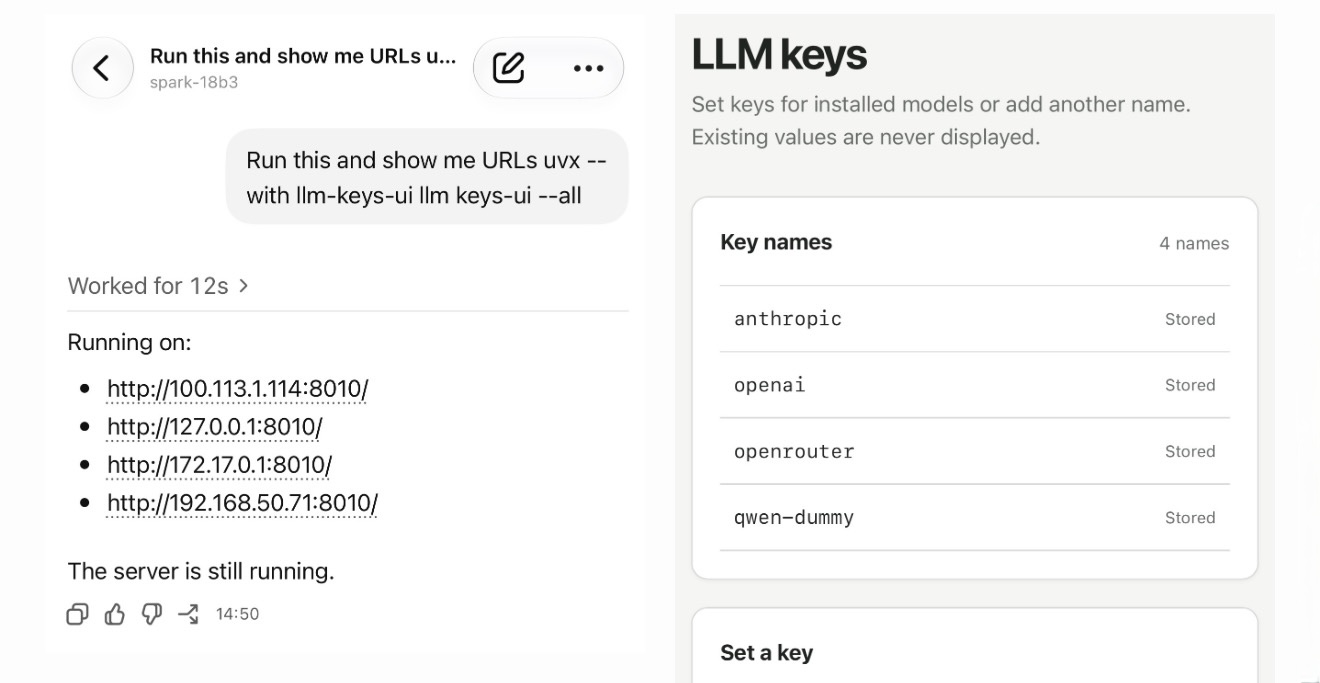
    Simon Willison released llm-keys-ui 0.1, a tiny web UI that lets you store LLM API keys on a remote machine and retrieve them via the llm CLI, avoiding pasting keys into chat sessions. It runs with a single uvx command and exposes local network URLs for access.

    Simon Willisonsimonwillison.net1 minrelease
  4. Why Does an NPM Math Library Need an Encrypted Loader?

    SafeDep discovered that several npm packages masquerading as mathjs contain an encrypted loader that only activates when a caller passes a particular matrix to the LU solver, using the matrix’s lower‑triangular factor as the decryption password. The loader decrypts and executes a multi‑stage remote‑access implant that talks to Slack, Telegram and a blockchain contract, and the same technique is r…

    Hacker News front pagesafedep.io10 minHN9627
  5. Laravel Scalpel Scans for Filesystem Intrusion Evidence

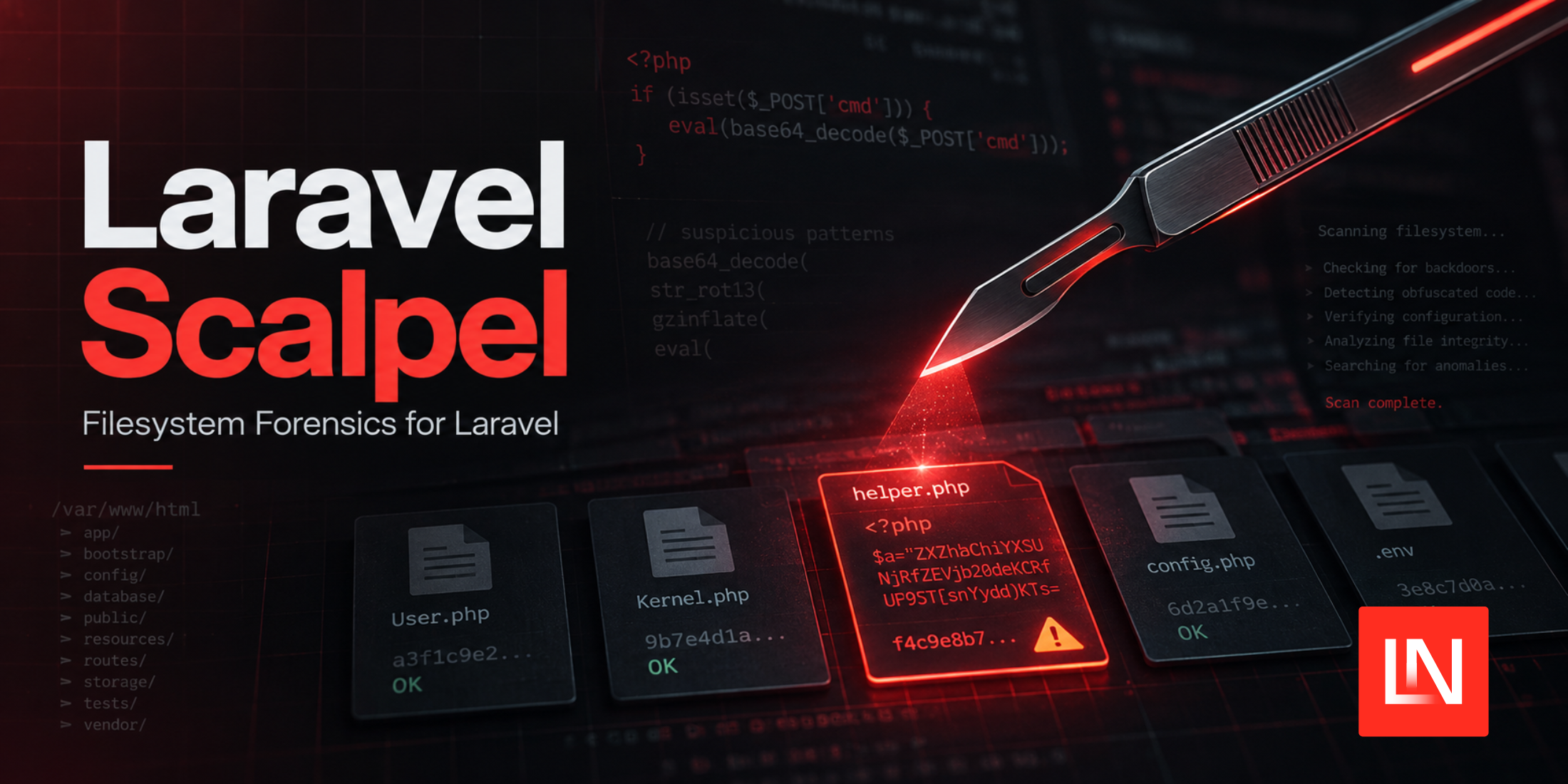
    Laravel Scalpel is a Laravel‑native scanner that looks for post‑deployment filesystem tampering – rogue PHP files, obfuscated backdoors, altered .htaccess/.user.ini, missing or mis‑configured .env, and diffs against a signed baseline. It ships with six built‑in scanners, baseline snapshot commands, fast vs strict hashing modes, CI‑friendly output (JSON, SARIF, GitHub annotations) and a ScanFinish…

    Laravellaravel-news.com5 min
  6. When scanners miss the attack: how Cloudflare Client-Side Security protects storefronts

    Cloudflare’s Page Shield uses a graph‑neural‑network (GNN) to model JavaScript as a syntax‑tree graph, followed by a lightweight LLM for second‑opinion triage and an ensemble of frontier models for deep analysis. This pipeline caught eight malicious payloads across four distinct affiliate‑theft and backdoor techniques that traditional scanners missed, demonstrating the need for runtime, behavior‑…

    Cloudflarecloudflare.com21 minHN2