proomt

Search

Search posts, papers, and topics

distributed systems

RSS
  1. 1
    1 points

    Saving another 100TB of RAM with math (and Rust)

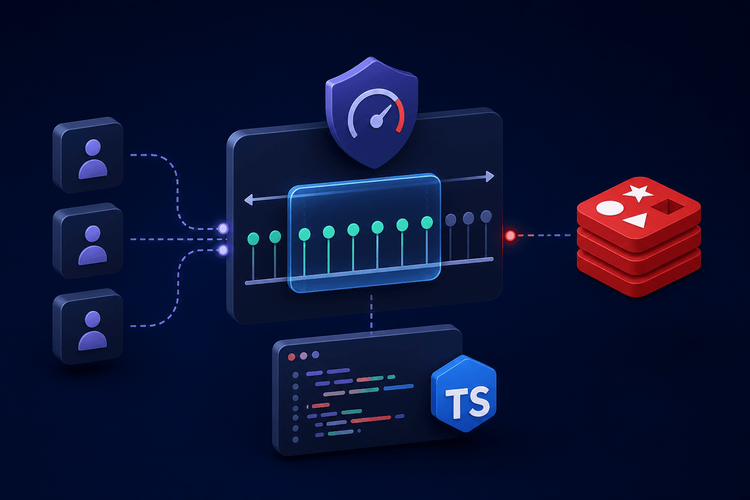
    Cloudflare reduced the memory footprint of its Pingora Backend Router by re‑examining the consistent‑hashing implementation in the pingora‑ketama library. By increasing the number of virtual hash points per server from the default 1 to the standard 160 (and applying weighted hashing based on disk capacity), they cut the per‑node overhead enough to reclaim >100 TB of RAM across the fleet. The post…

    Hacker News front pagecloudflare.com13 minHN478120lobste.rs33
  2. 4

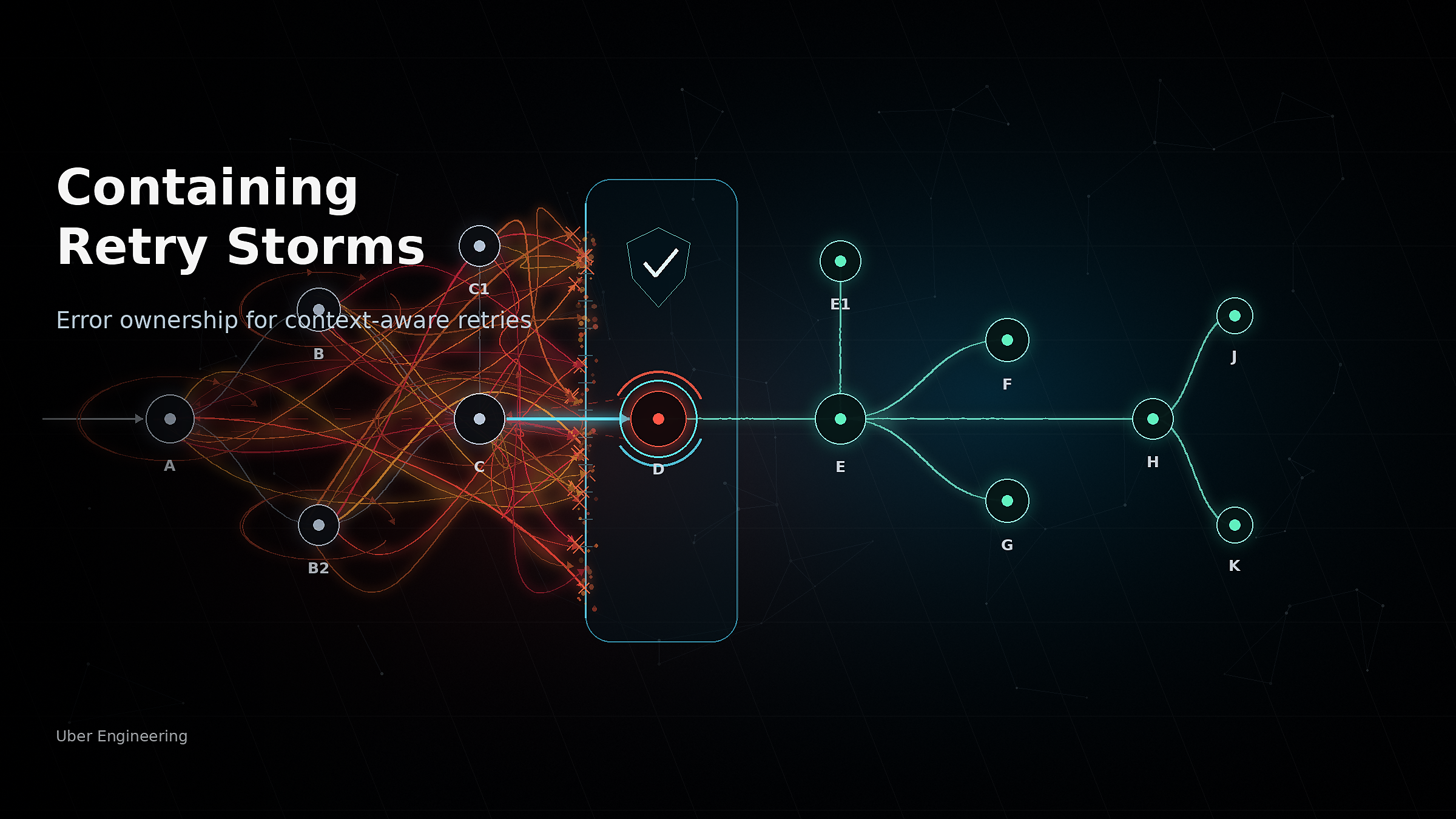
    How Uber Protects Against Retry Storms

    Uber developed a context-aware mechanism to prevent retry storms in deep microservice dependency chains. It introduces "error ownership" where services claim errors they originate and unclaim errors they propagate, allowing upstream callers to make informed retry decisions and avoid amplifying load on already struggling services.

    Hacker News front pageuber.com12 minHN11949
  3. 5

    Agora: Git as Shared Memory for Collective AutoResearch

    Agora treats a Git repository as a shared, append‑only memory for autonomous research agents, recording each claim as an immutable commit in a DAG. In a 12‑day run with 13 language‑model workers it generated 1,703 reproducible contributions and closed 62 % of the gap to a trained GPT‑2‑124M, demonstrating that shared research state can accelerate discovery.

    Hugging Face Daily Papersarxiv.org2 minpaper
  4. 8

    SiliconBench: Speed, Memory, and Fidelity for LLM Serving on Unified-Memory Desktops

    SiliconBench benchmarks nine Apple‑Silicon LLM serving engines on unified‑memory desktops, measuring speed, memory usage, and output fidelity across Qwen3, Qwen3.5, and Gemma‑4 models. It finds vllm‑metal doubles throughput at modest concurrency, memory budgets often fail to preserve headroom, and only three stacks satisfy all fidelity and model‑coverage requirements, with tensor‑parallel scaling…

    Hugging Face Daily Papersarxiv.org1 minpaper
  5. 10

    OpenTelemetry everywhere: Migrating a metrics platform at scale

    Atlassian replaced its decade‑old gostatsd‑based metrics pipeline with a fully OpenTelemetry‑based stack by keeping the StatsD‑UDP contract on the client side and swapping in purpose‑built OTel Collector distributions for collection, ingest, aggregation, and forwarding. The migration was done incrementally, saved ~3.9% CPU per service, cut sidecar cost ~30% fleet‑wide, halved aggregation CPU, and…

    CNCFcncf.io6 minHN1
  6. 11

    Squalk: an old-school forum engine built on Nostr (NIP-29 groups, NIP-7D threads)

    Squalk is a SvelteKit‑based forum built on the Nostr protocol, implementing NIP‑29 groups and NIP‑7D threads. It can run in a single‑forum “simple” mode or a multi‑forum “full” mode, with chat sidebars, markdown resources, and optional server‑side rendering for SEO. Configuration is done entirely via `PUBLIC_` environment variables, and deployment scripts support both static hosting and Node SSR,…

    Lobstersgithub.com5 minlobste.rs12
  7. 12

    The architecture of Neki

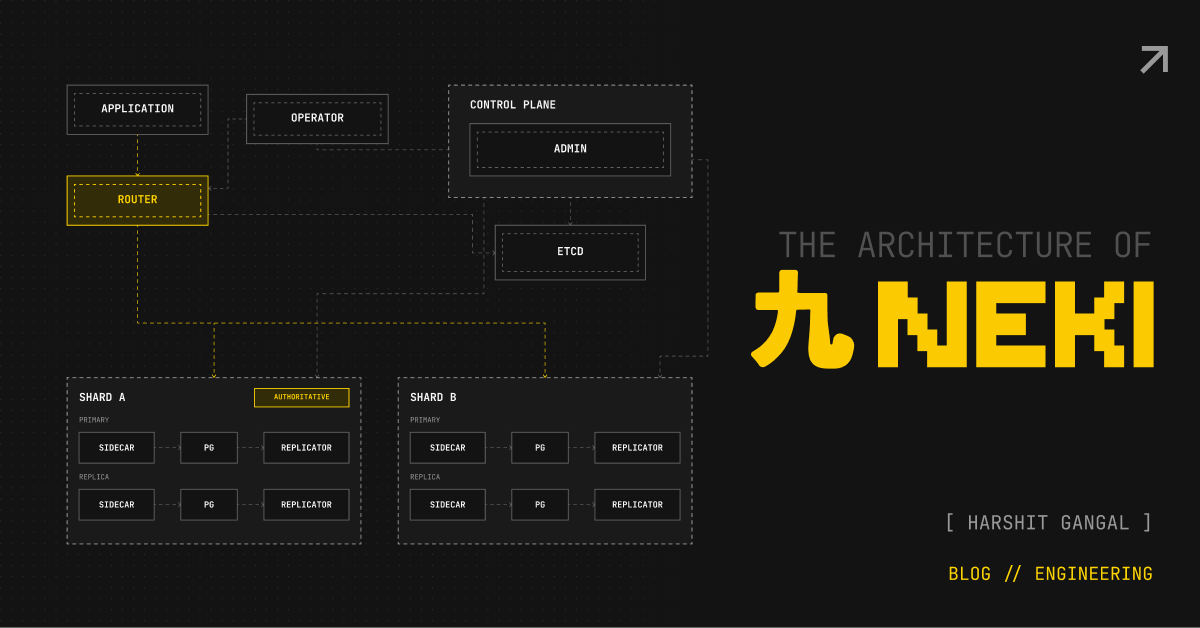
    Neki is PlanetScale’s sharding layer for vanilla PostgreSQL that presents a single Postgres endpoint while routing queries across a fleet of Postgres instances. It does this with a set of tightly‑coupled components—Router, Sidecar, PostgresManager, Admin, Operator, and etcd‑backed Data Topology—each handling a specific piece of the scaling, failover, and query‑planning puzzle.

    PlanetScaleplanetscale.com8 min
  8. 13

    Worker Backpressure (Part 1)

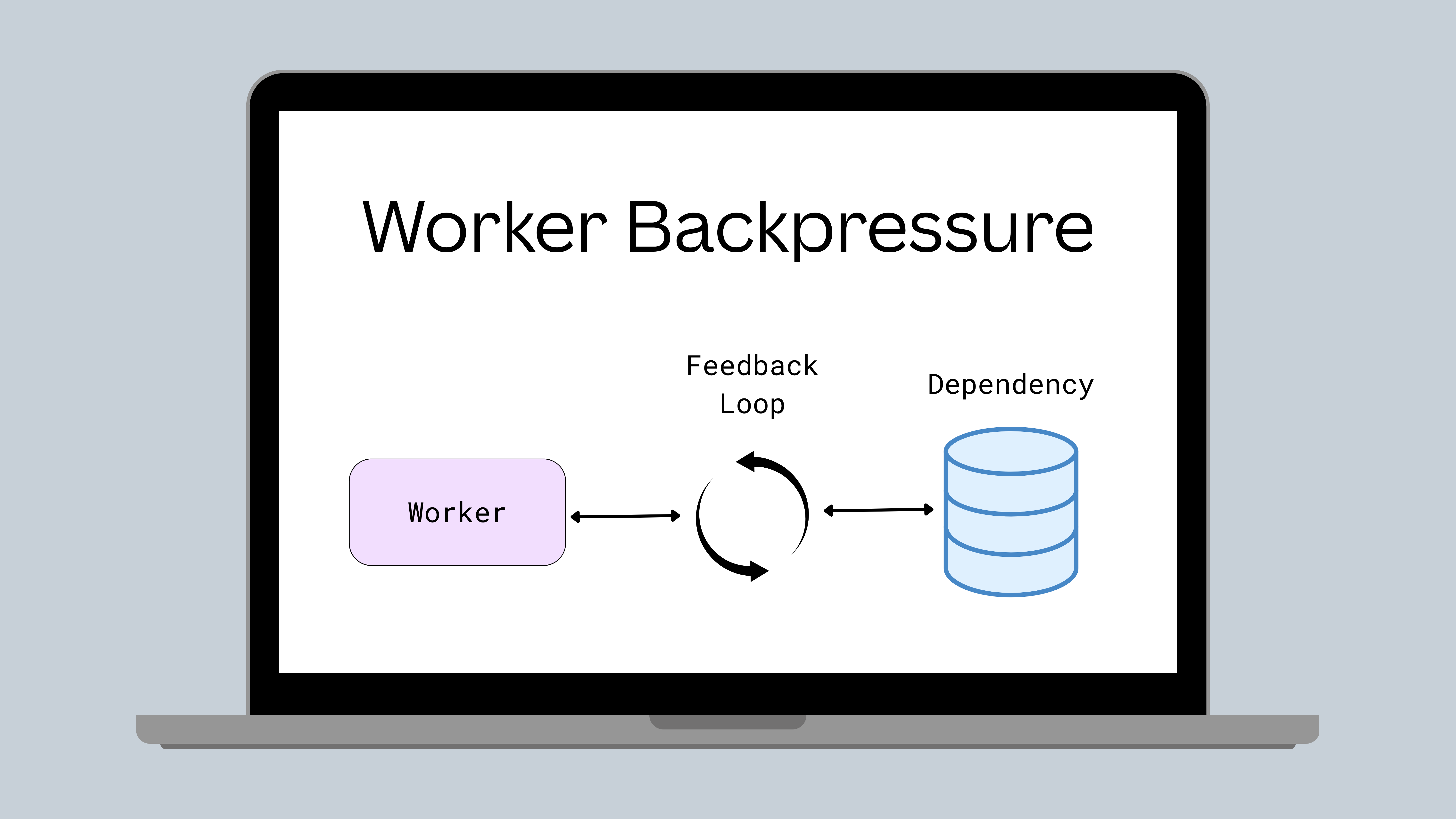
    Canva added a lightweight, local backpressure loop to its queue worker library that monitors per‑message success/failure, computes a backoff factor against a configurable failure‑rate set‑point, and throttles the worker’s concurrency. In two real incidents the mechanism kept failure rates under 2 % fleet‑wide, limited DLQ growth to a handful of messages, and maintained throughput without manual i…

    Canvacanva.dev10 min
  9. 14

    From Megawatts to Tokens: How NVIDIA Maximizes AI Factory Production

    NVIDIA’s DSX platform lets AI data‑centers shift workloads in response to grid signals, squeezing ~24% more token throughput (4 M→5 M tps) and ~23% better performance‑per‑watt on a fixed megawatt budget. The first production demo used Emerald AI’s Conductor to drop a 4 MW load to 3 MW in under a minute without interrupting high‑priority jobs. DSX MaxLPS reallocates headroom across HGX B200 server…

    Nvidianvidia.com5 min
  10. 18

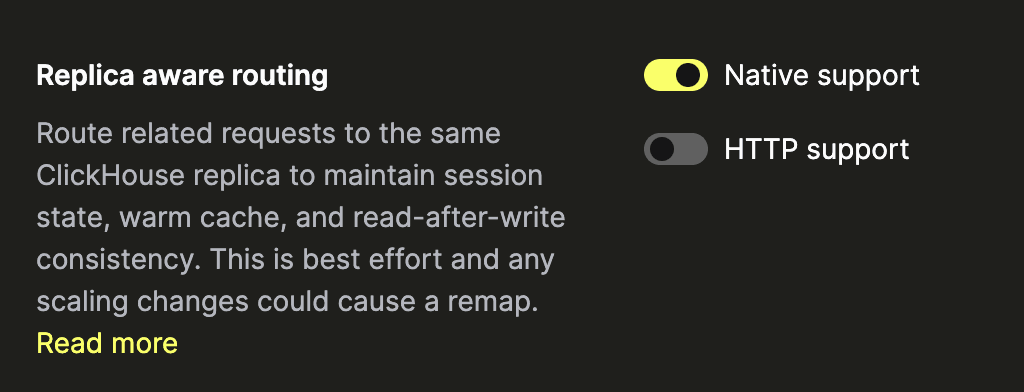
    Replica-aware routing public beta

    Replica‑aware routing (public beta) lets ClickHouse Cloud users pin a query stream to a specific replica by sending a custom header (HTTP) or overriding the TLS SNI (native). The proxy (Envoy) hashes the tag and consistently forwards all requests with the same tag to that replica, giving read‑after‑write consistency for temporary tables, session objects, and warm replica caches. Stickiness is bes…

    ClickHouseclickhouse.com6 min
  11. 20

    Article: Architecting Secure and Scalable Facial Verification Systems

    A real‑world post‑mortem of a high‑volume face verification service that moved from a naïve synchronous API to an async, layered pipeline (edge validation, preprocessing, decoupled detection/verification, decision engine) to achieve 8.5k rpm, p99 < 1.8 s, 30 % cost savings, and strict privacy controls.

    InfoQinfoq.com15 min
  12. 21

    How Data 360 Builds Trusted Context: The Enduring Layer for Enterprise AI

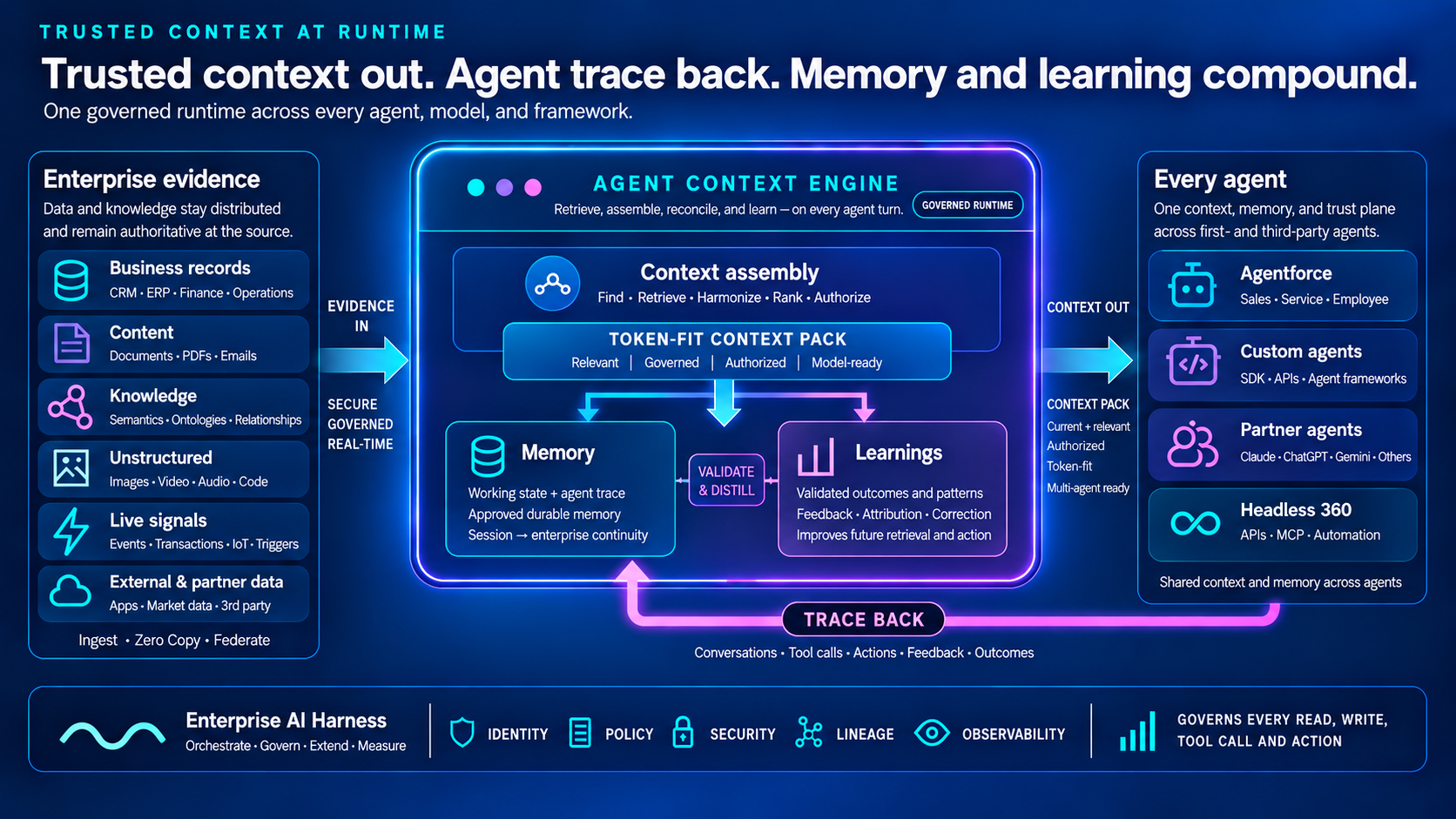
    Salesforce’s Data 360 provides a shared runtime that assembles the minimal, authorized slice of enterprise data (“Trusted Context”) for each AI‑agent turn. A six‑stage Agent Context Engine (Resolve, Plan, Reconcile, Govern, Compile, Learn) pulls data from structured, unstructured, and streaming sources across Salesforce, Snowflake, Databricks, etc., applies fine‑grained policy, and returns a toke…

    Salesforce Engineeringsalesforce.com11 min
  13. 22

    Dropbox Evolves Riviera Content Processing Platform to Support AI Workloads

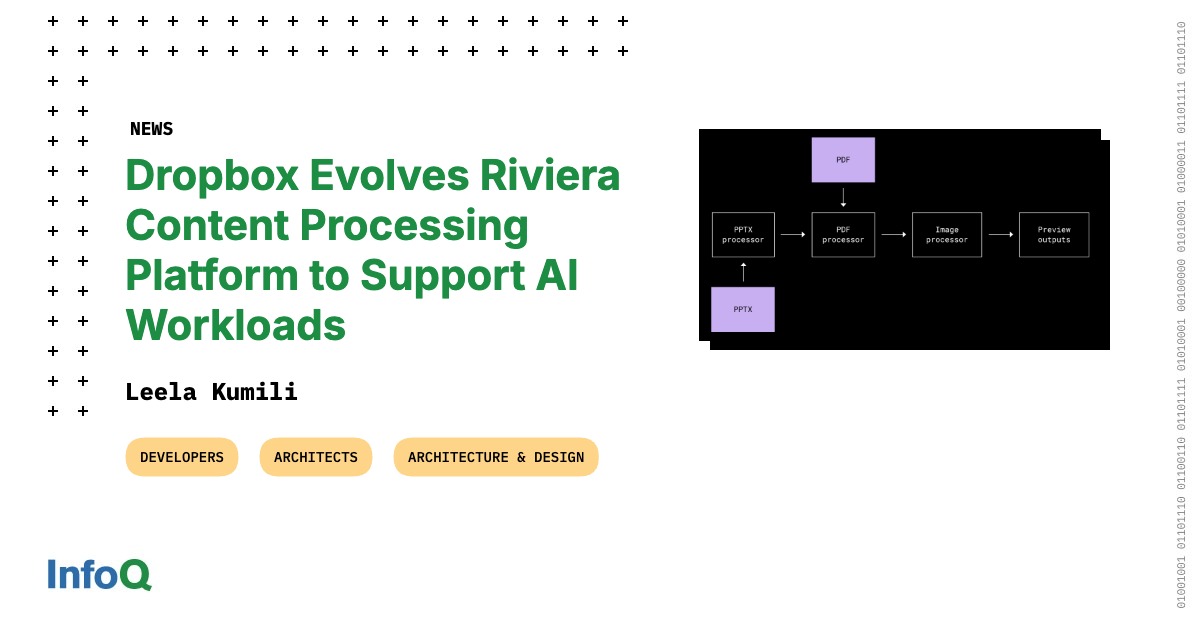
    Dropbox’s Riviera platform has been expanded from a preview service into a universal, composable content‑processing system that now handles hundreds of thousands of transformations per second across 300+ file types. The architecture separates orchestration from execution, adds a plugin model, and offers async public APIs so internal and external AI workloads can reuse cached transformations.

    InfoQinfoq.com2 min
  14. 23

    Scaling Telco Autonomy: Leveraging GNNs with Distributed GraphFlow

    Google Cloud’s blog introduces Distributed GraphFlow (DGF), an open‑source Python library for building and scaling Graph Neural Networks (GNNs) on a Spanner‑backed digital twin of telecom networks. The post outlines the three‑layer architecture (digital twin on Spanner Graph, ML layer with DGF, AI agents) and highlights DGF’s high‑level API (5‑line example) and low‑level primitives, but provides…

    Google Cloud Bloggoogle.com3 min
  15. 24

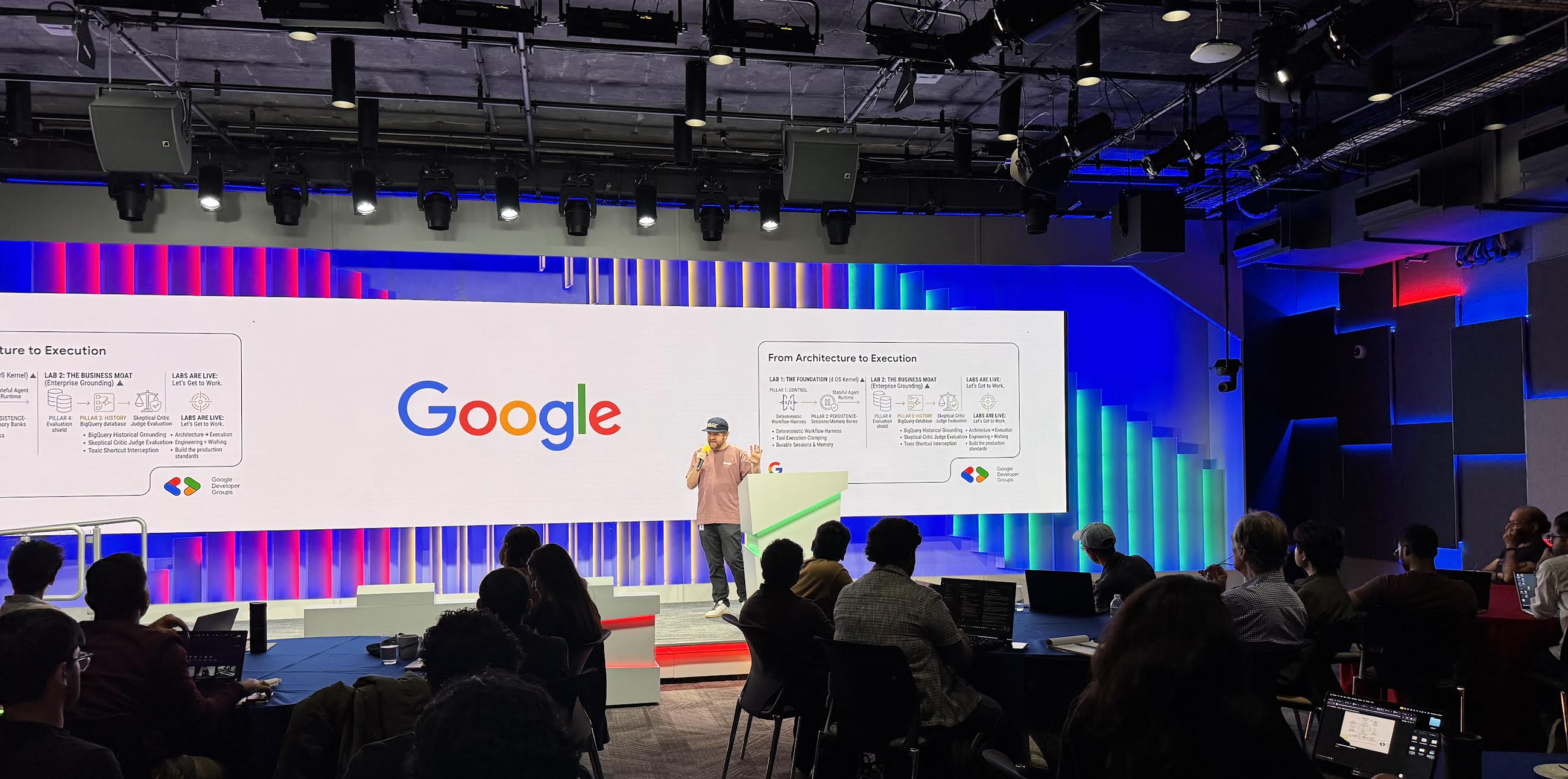
    The DevFest Community Workshop Experience: Building Real Agents Together

    Google’s DevFest Community Workshop introduced a “Workbench” format that emphasizes architectural mental models over copy‑paste code, guiding engineers to build long‑running, self‑evolving multi‑agent systems with the Agent Development Kit and Gemini Enterprise platforms. Attendees learned state‑separation, workflow pausing, and self‑patching pipelines, and the series will continue in five more c…

    Google Cloud Bloggoogle.com2 min
  16. 25

    Concurrency Control: Your Aggregate Is Single-Threaded. Your Cluster Isn’t.

    This article distinguishes between serialization (preventing concurrent access) and arbitration (permitting access and rejecting losers) in distributed concurrency control. It argues that arbitration should be responsible for correctness, as serialization guarantees are conditional and can fail silently in multi-process environments, leading to data corruption.

    Atomic Objectatomicobject.com14 min
  17. 26

    Lessons From Testing Distributed Systems

    This Jepsen blog post announces a retrospective talk on 13 years of testing distributed systems, linking to slides and a video. The post itself contains no detailed lessons or technical content.

    Jepsenjepsen.io1 min
  18. 27

    How to operate shared platforms safely at agent scale

    Datadog explains how scaling AI agents turns isolated executions into shared‑platform risk and outlines a systematic approach to model agent trajectories, monitor per‑dependency constraints, and enforce workload‑specific capacity policies. The result is proactive detection of bottlenecks and protection against noisy‑neighbor failures.

    Datadogdatadoghq.com11 min
  19. 28

    System Design Interviews for Data Roles: What to Actually Practice

    The piece shows that data‑role system design interviews evaluate how you turn vague requirements into a defensible architecture, not which tools you name, and it gives a concrete prep framework: clarify scope, quantify load, pick batch vs streaming with trade‑offs, and address failure handling. Candidates should rehearse explaining these decisions aloud with numbers rather than just drawing diagr…

    SitePointsitepoint.com6 min
  20. 29

    6 Ways Traditional API Design Has Changed Forever

    API design is shifting from human‑centric, resource‑based REST toward machine‑friendly, capability‑oriented interfaces as AI agents become major consumers. This drives changes in rate limiting, just‑in‑time security, system‑wide reliability, and regulatory compliance.

    Nordic APIsnordicapis.com6 min