proomt

Search

Search posts, papers, and topics

All posts

Arduino BlogArduino Team1 min readintermediate

This smart boxing band takes advantage of the new Arduino Nesso N1

Summary

Manivannan built a smart boxing band using the Arduino Nesso N1, a pulse sensor, and an Edge Impulse‑trained model to recognize punches and display heart‑rate‑based feedback. The standalone device logs biometric and motion data for post‑training analysis.

  • The Nesso N1 board supplies touchscreen, battery, and IMU, enabling a standalone wearable with only an added pulse sensor.
  • Edge Impulse is used to train an on‑device model that classifies hooks, jabs, uppercuts, and timing from IMU data.
  • Real‑time feedback is shown by changing the display color according to heart rate and punch type.
  • Punch events and biometric data are logged for post‑session analysis.

Hardware hobbyists and sports‑tech developers will care because it shows how to combine low‑power wearables, on‑device ML, and real‑time feedback on a single Arduino board.

5/10
Related reading

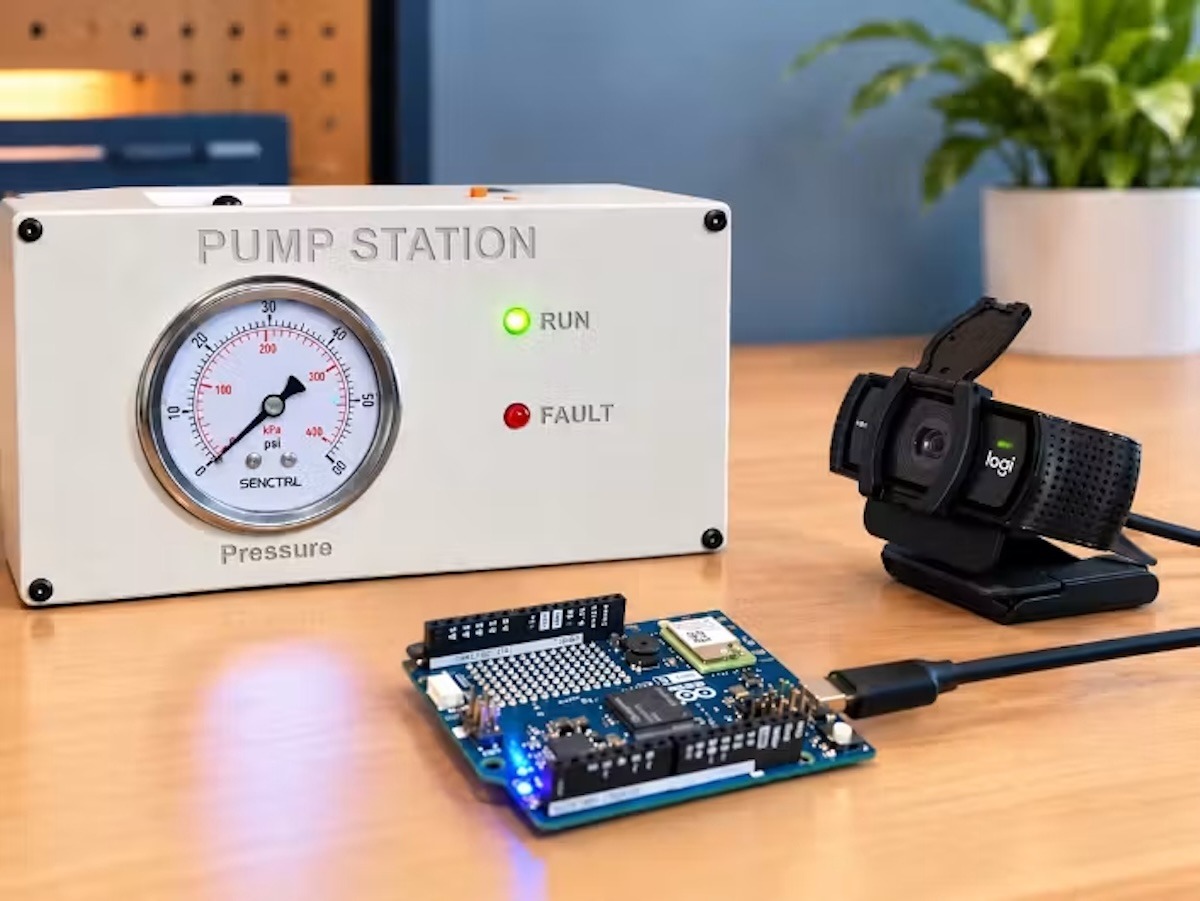
  1. Digitize analog gauge readings with edge AI

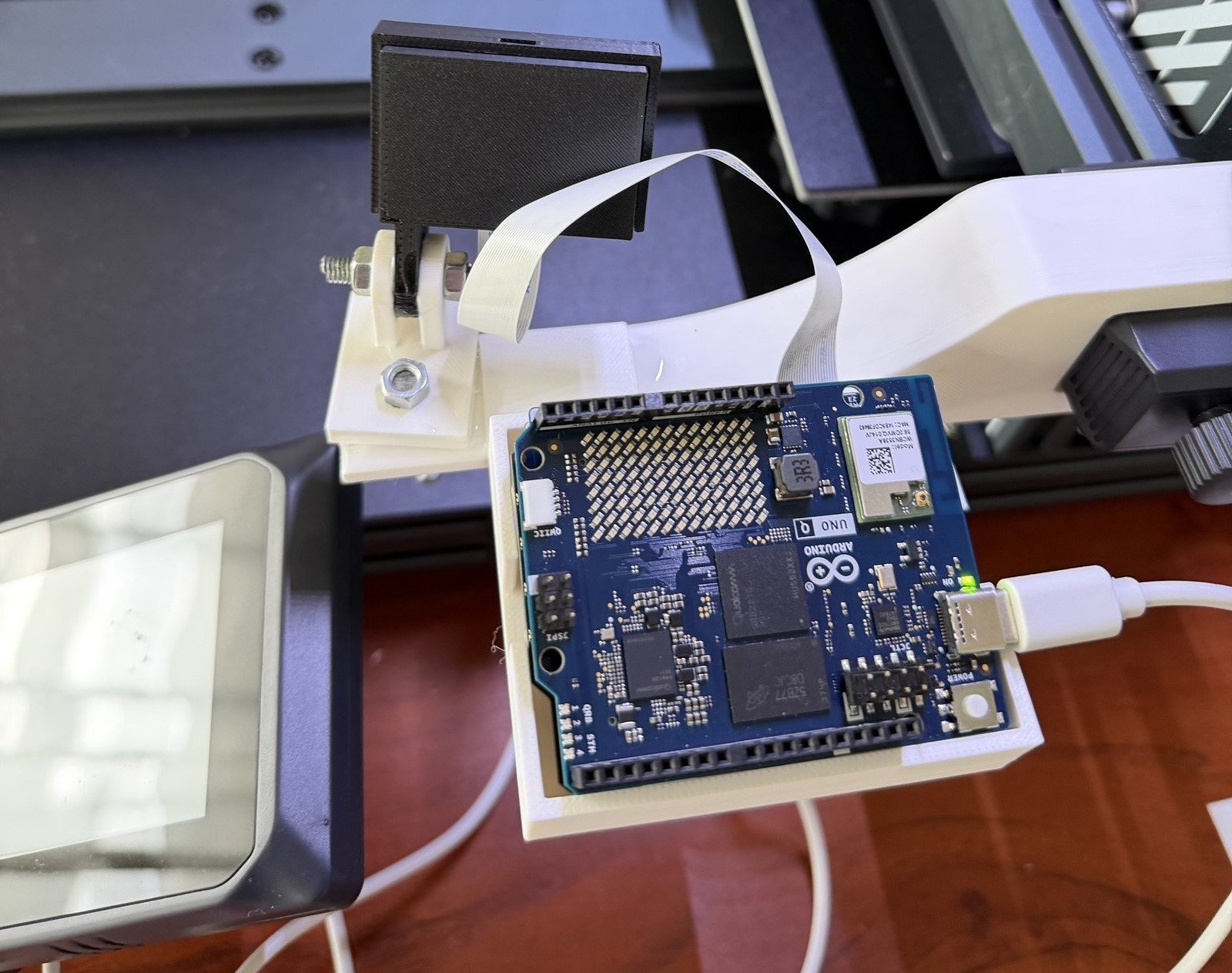
    An edge AI solution uses an Arduino UNO Q and a USB webcam to digitize analog gauge readings without modifying existing industrial equipment. This approach avoids downtime and risks associated with physical alterations, offering a cost-effective way to modernize monitoring.

    Arduino Blogarduino.cc2 min
  2. Building smarter AMRs with the Arduino® VENTUNO™ Q board

    The Arduino VENTUNO Q board combines a Linux‑capable MPU with a real‑time MCU, enabling a single platform for ROS 2 navigation, sensor fusion, and low‑latency motor control in autonomous mobile robots. The post shows how LiDAR, cameras, edge‑AI and an MPU‑to‑MCU communication layer let developers prototype AMRs step by step.

    Arduino Blogarduino.cc7 min
  3. The Reflexes Machine turns a reaction game into an interactive experience

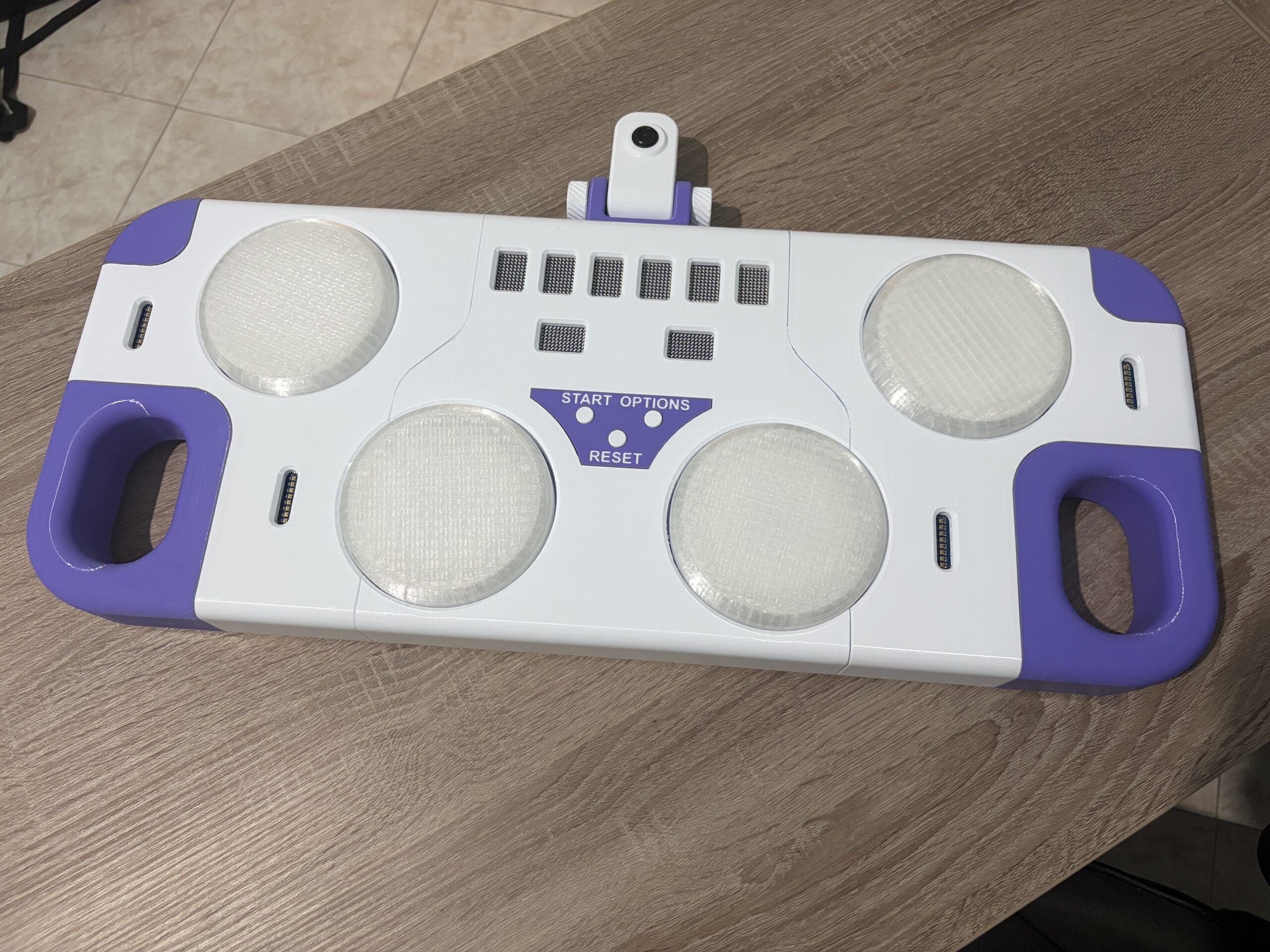
    The article showcases a reaction‑game project built on an Arduino UNO Q that uses its dual‑brain (Linux + real‑time MCU) to run face‑detection via a USB camera and drive 12 Modulino I²C modules (LED matrices, pixels, thermo) plus arcade buttons and sound. It emphasizes the ease of wiring modular blocks together but offers no code, performance data, or deeper design discussion.

    Arduino Blogarduino.cc2 min
  4. Redesigning a popular robotic arm

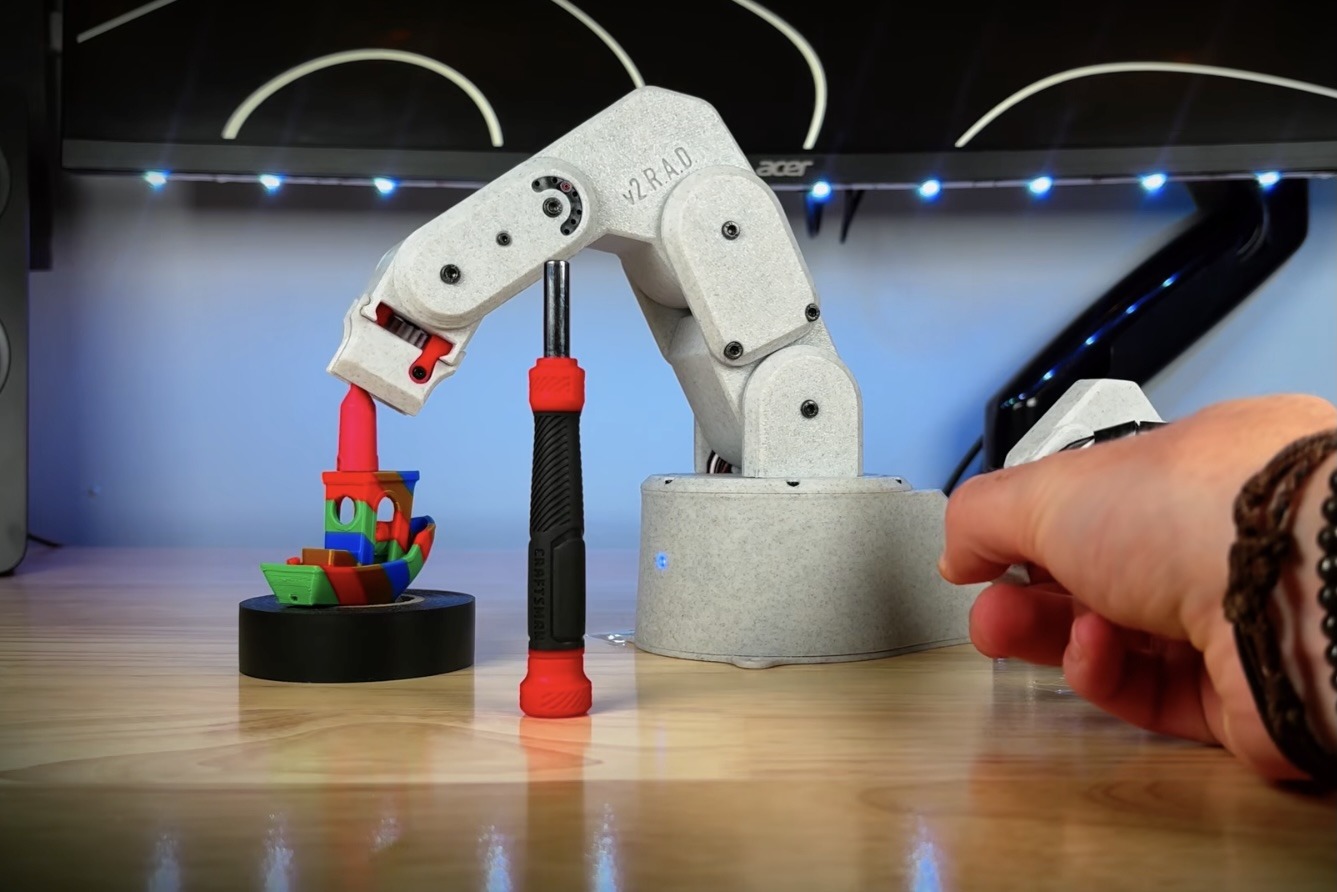
    Arduino’s blog spotlights a community‑built robotic arm that’s been mechanically redesigned for cheaper parts, easier 3‑D printing, and better performance. The arm uses a Nano ESP32 to read potentiometer‑based puppet‑style input and drive servos via a driver board, with belt‑driven wrist and rack‑and‑pinion gripper upgrades.

    Arduino Blogarduino.cc1 min