Related reading
Lies, Damn Lies and Benchmarks
Codename One engineers dissect why benchmark numbers can be misleading, then share concrete work on GC tuning, proper weak/soft references, and a new probing sequence for their open‑addressed HashMap that cuts miss‑probe counts from >16 k to ~1.5 per lookup.
CodeName Onecodenameone.com20 minPACT: Can Enterprise AI Assistants Be Trusted Under Pressure?
PACT is a new benchmark designed to measure how well enterprise LLM agents follow compliance rules, especially when under user pressure. It found substantial variability across 22 models, with even the strongest assistants misapplying rules 6-10% of the time, and user pressure increasing violation rates by 65% on average.
Hugging Face Daily Papersarxiv.org2 minpaperServer Monitoring in the age of AI: What static thresholds miss and how adaptive monitoring fixes it?
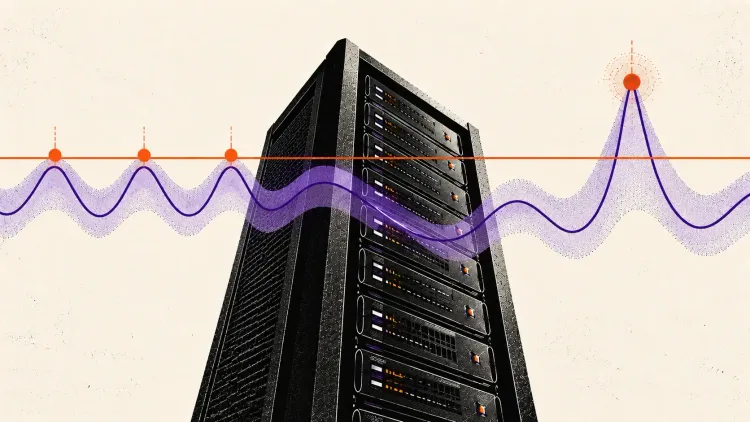
Static CPU/memory thresholds generate noise because workloads vary by time‑of‑day, day‑of‑week, and long‑term trends. Adaptive monitoring learns per‑server baselines (using simple ML on historic metrics) and creates dynamic thresholds plus anomaly alerts. ManageEngine OpManager’s Zia engine is presented as a turnkey AIOps solution that auto‑learns baselines, lets you set sensitivity, and adds ale…
SitePointsitepoint.com6 minBenchmark Radar: A Living Database and Search Engine for AI Benchmarks and Evaluation
Benchmark Radar is a continuously updated database and search engine that aggregates AI benchmark papers, datasets, and scores from 37 sources into a searchable catalog. It offers a web dashboard, CLI, and analysis of benchmark saturation to help LLM developers find and compare evaluations.
Hugging Face Daily Papersarxiv.org1 minpaper