SitePoint6 min readintermediate
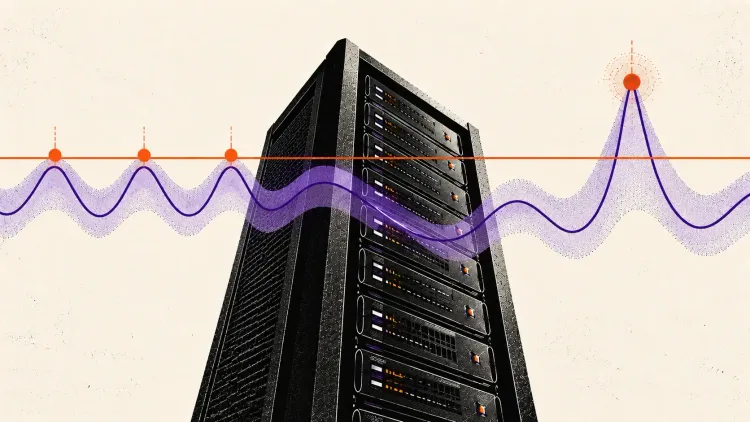
Server Monitoring in the age of AI: What static thresholds miss and how adaptive monitoring fixes it?
Summary
Static CPU/memory thresholds generate noise because workloads vary by time‑of‑day, day‑of‑week, and long‑term trends. Adaptive monitoring learns per‑server baselines (using simple ML on historic metrics) and creates dynamic thresholds plus anomaly alerts. ManageEngine OpManager’s Zia engine is presented as a turnkey AIOps solution that auto‑learns baselines, lets you set sensitivity, and adds ale…
- Fixed thresholds ignore temporal patterns and workload drift, leading to alert fatigue.
- Dynamic thresholds are derived from historic P95 (or similar) usage per time window; alerts fire when a metric deviates by a configurable % (e.g., 15 % warning, 30 % critical).
- Adaptive models must continuously retrain to accommodate infrastructure changes or new workloads.
- Alert correlation groups downstream symptoms (e.g., many server down alerts) into a root‑cause incident.
Reducing false‑positive alerts improves on‑call efficiency and MTTR; dynamic baselines also surface subtle problems like unexpected CPU drops that static high‑watermarks miss.
4/10