proomt

Search

Search posts, papers, and topics

SitePoint

43 posts · sitepoint.com

  1. Building Deterministic Multi-Agent State Machines in TypeScript

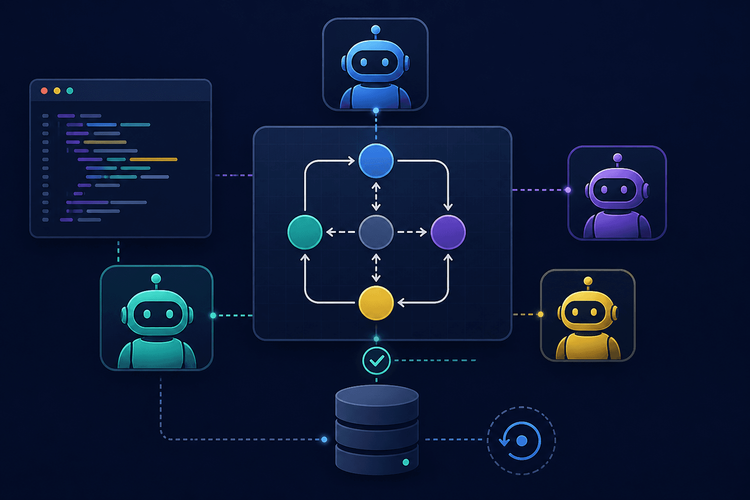
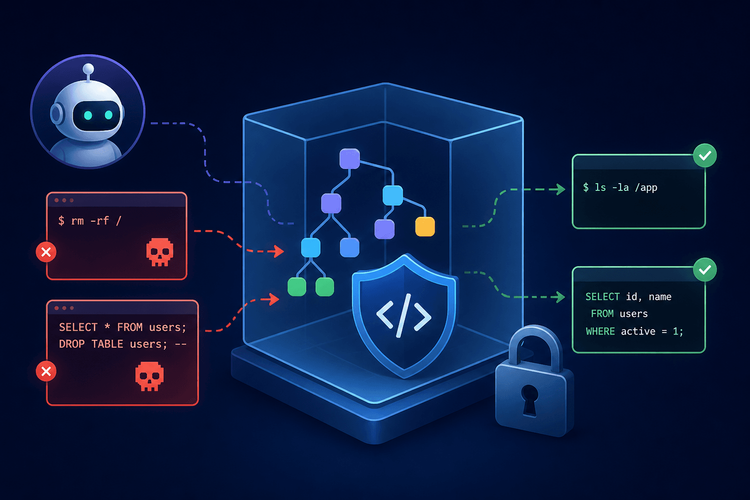
    The article shows how to build a deterministic, checkpoint‑backed finite state machine engine in TypeScript for orchestrating multi‑agent AI workflows. It uses Zod for schema validation, better‑sqlite3 for atomic persistence, and a pure transition function to make workflows traceable and recoverable in serverless environments.

    SitePointsitepoint.com18 min
  2. Building Composite Model Context Protocol (MCP) Gateways in TypeScript

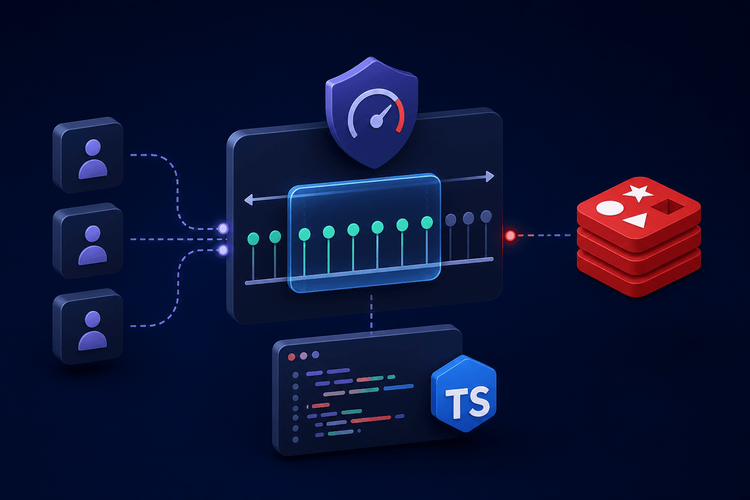
    Step‑by‑step tutorial showing how to build a stateless composite Model Context Protocol (MCP) gateway in TypeScript using Hono, Zod, and the MCP SDK. It covers config‑driven upstream registration, namespaced tool discovery, JSON‑RPC routing, per‑tool auth middleware, and a token‑bucket rate limiter, with concrete code snippets and design trade‑offs.

    SitePointsitepoint.com16 min
  3. Fixing Server Component Bundle Leaks in Next.js with AST Linting

    Server‑only code can silently inflate client bundles in Next.js 15+ apps. The article shows how to spot leaks with @next/bundle-analyzer, prevent them by removing shared barrel files or adding the `server-only` guard, and enforce a deny‑list of server modules via a custom ESLint rule that scans the AST of files with a `'use client'` directive. The rule is wired into a CI bundle‑budget check using…

    SitePointsitepoint.com14 min
  4. Eliminating AI Code Hallucinations with TypeScript Compiler Diagnostics and TDD Loops

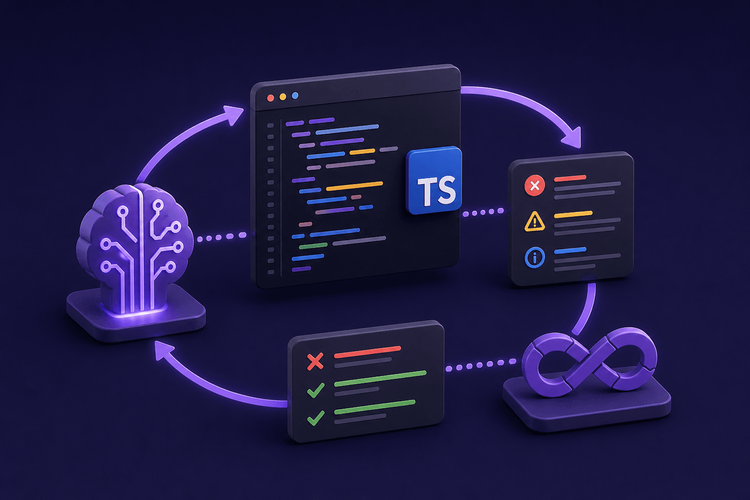
    The article shows how to replace raw TypeScript compiler output with a programmatic JSON feedback loop that merges diagnostics and Vitest test failures, feeding the structured data back to an LLM coding agent for self‑correction. It provides concrete code for extracting, enriching, validating, and de‑duplicating errors, and demonstrates token savings and deterministic iteration until compilation…

    SitePointsitepoint.com15 min
  5. E-Signature Pricing Models That Bite in Production

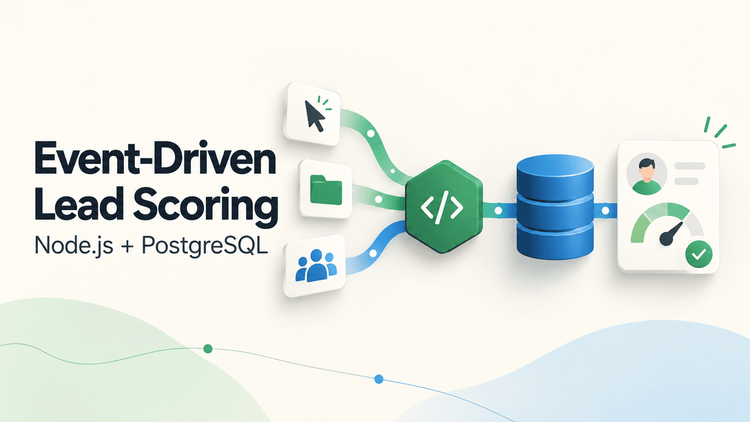
    The post shows that e‑signature pricing is an engineering constraint and walks through modeling effective cost per completed envelope, preventing duplicate billing with idempotency, and monitoring usage. It includes a JavaScript cost estimator and practical retry handling advice.

    SitePointsitepoint.com6 min
  6. WebAuthn Passkey Recovery: Building Account Fallbacks and Backup Codes in Node.js

    A step‑by‑step tutorial for building a zero‑trust WebAuthn passkey recovery flow in Node.js/TypeScript. It covers generating 128‑bit backup codes, hashing them with Argon2id, rate‑limited verification, time‑boxed JWT recovery sessions, and orchestrating new credential registration with @simplewebauthn/server while revoking lost credentials and rotating codes.

    SitePointsitepoint.com19 min
  7. Build a Typed Context Compaction Gate for AI Agents

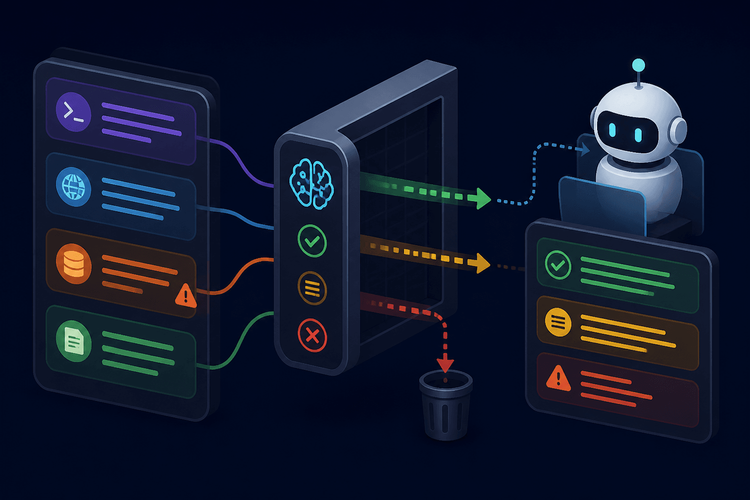
    A step‑by‑step tutorial showing how to build a typed context‑compaction gate for AI agents in TypeScript using LangChain and Zod. It defines a discriminated‑union schema for keep/summarize/discard actions, implements a fast gpt‑4o‑mini classifier, validates decisions at runtime, and wires the gate as middleware in an agent loop, with testing and production‑grade tuning advice.

    SitePointsitepoint.com16 min
  8. Juicebox vs Pin: Which AI sourcing tool fits your team?

    Juicebox and Pin are AI‑driven sourcing tools aimed at different buyer personas: Juicebox targets recruiting teams with shared CRM, permissions, and a deep intelligence layer (compensation, growth‑stage, bias audits), while Pin is a solo‑recruiter assistant that automates sourcing, outreach, and scheduling in a single‑user workflow. The article compares scale, collaboration, intelligence, and gov…

    SitePointsitepoint.com7 min
  9. From support ticket to GitHub issue: Building a reliable escalation workflow

    A step‑by‑step guide for turning support tickets into well‑structured GitHub issues. It defines escalation criteria, outlines a decision table for support, specifies required fields, and provides a minimal Node.js 24 adapter that validates input, builds a markdown issue body, and calls the GitHub Issues API with proper error handling and security considerations.

    SitePointsitepoint.com11 min
  10. Server Monitoring in the age of AI: What static thresholds miss and how adaptive monitoring fixes it?

    Static CPU/memory thresholds generate noise because workloads vary by time‑of‑day, day‑of‑week, and long‑term trends. Adaptive monitoring learns per‑server baselines (using simple ML on historic metrics) and creates dynamic thresholds plus anomaly alerts. ManageEngine OpManager’s Zia engine is presented as a turnkey AIOps solution that auto‑learns baselines, lets you set sensitivity, and adds ale…

    SitePointsitepoint.com6 min
  11. Juicebox vs Noon: How much of sourcing should AI own?

    Juicebox and Noon are AI‑sourced recruiting platforms that differ on control: Juicebox lets recruiters brief and steer autonomous agents, surfacing search rationale and offering ISO‑42001‑ready governance; Noon trains an autonomous sourcer to run the top‑of‑funnel end‑to‑end with less human oversight. The guide suggests trialing both by testing mid‑search steering (Juicebox) versus hands‑off qual…

    SitePointsitepoint.com7 min