proomt

Search

Search posts, papers, and topics

All posts

Hacker News front page3 min readintro

Attention is all you have

Summary

The piece warns that recommendation‑driven feeds hijack user attention, leading to doomscrolling and mental bias. It advocates returning to intentional browsing via bookmarks and RSS to reclaim agency.

  • Recommendation algorithms steer what you see, shaping thoughts and encouraging endless scrolling.
  • Intentional browsing—using bookmarks, RSS feeds, and curated sites—can reduce algorithmic influence.
  • Platforms insert AI‑generated or ad‑laden content to increase engagement, often at the cost of user agency.
  • Regaining control requires conscious effort to choose slower, purpose‑driven content sources.

Engineers and product designers building recommendation systems should care because their algorithms directly impact user attention and behavior.

3/10

Related reading

  1. Everybody's Lost Their Minds

    The author argues that the AI hype wave is draining engineering resources without improving security, and that basic practices like inventory and automated patching are far more valuable. He warns that over‑reliance on AI‑generated code erodes understanding and makes debugging harder.

    Lobstersnetmeister.org6 minHN368338lobste.rs193
  2. Do you use :visited on links?

    The author switched the site’s link colors to differentiate visited links using a simple CSS rule, arguing it’s useful for reading many RSS‑fed articles. The post is a brief personal opinion with a code snippet and no deeper technical analysis.

    Lobsterskevquirk.com1 minlobste.rs21
  3. When AI Reviews Train AI Reviewers: Scientific-Judgment Collapse and Mitigation

    The authors show that training LLM reviewers on synthetic reviews leads to a compression of rating distributions and loss of semantic diversity, a phenomenon they call scientific-judgment collapse. They mitigate it with TrustReviewer, which uses curated training data and activation steering to preserve judgment diversity.

    Hugging Face Daily Papersarxiv.org1 minpaper
  4. When scanners miss the attack: how Cloudflare Client-Side Security protects storefronts

    Cloudflare’s Page Shield uses a graph‑neural‑network (GNN) to model JavaScript as a syntax‑tree graph, followed by a lightweight LLM for second‑opinion triage and an ensemble of frontier models for deep analysis. This pipeline caught eight malicious payloads across four distinct affiliate‑theft and backdoor techniques that traditional scanners missed, demonstrating the need for runtime, behavior‑…

    Cloudflarecloudflare.com21 minHN2
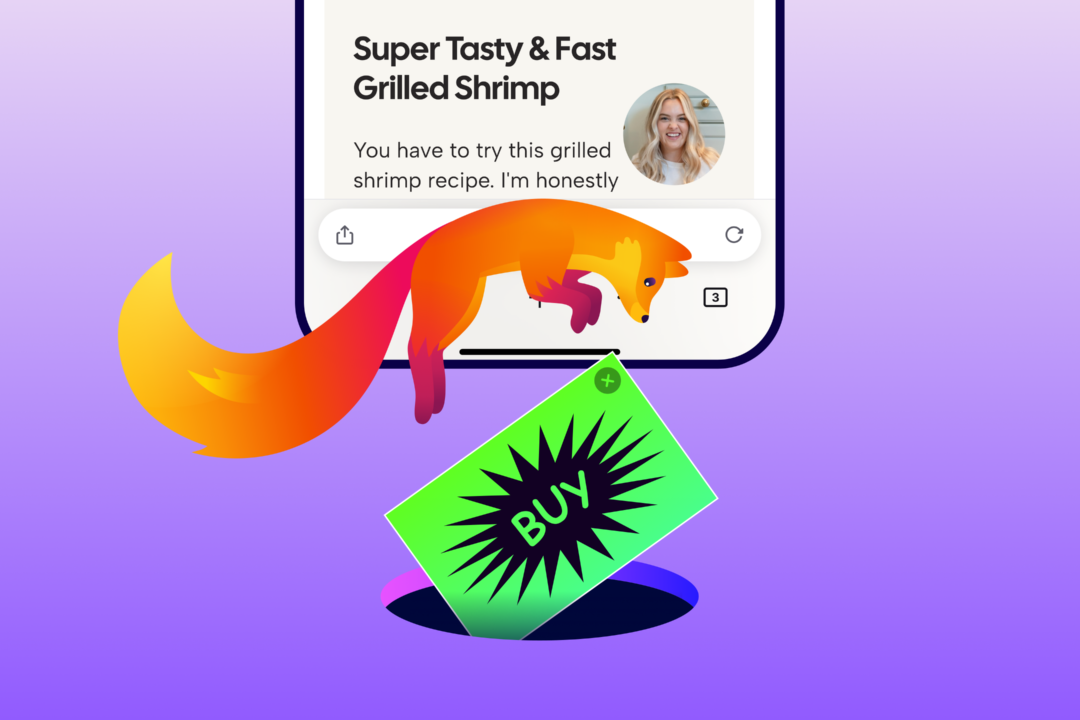
  5. Introducing Ad Blocker for Firefox on iOS: More Control, Fewer Distractions

    Firefox for iOS now ships an optional built‑in ad blocker that leverages Apple’s WebKit Content Blocker API and the EasyList filter list. It blocks many third‑party ads and ad‑related trackers before they load, but leaves first‑party ads, search‑result ads, and Firefox‑provided sponsored content untouched. The feature is off by default and can be toggled in Settings → Browsing → Ad Blocker, and i…

    Mozilla Automation Teammozilla.org2 minreleaseHN590204