proomt

Search

Search posts, papers, and topics

All posts

.NETBruno Capuano10 min readintermediate
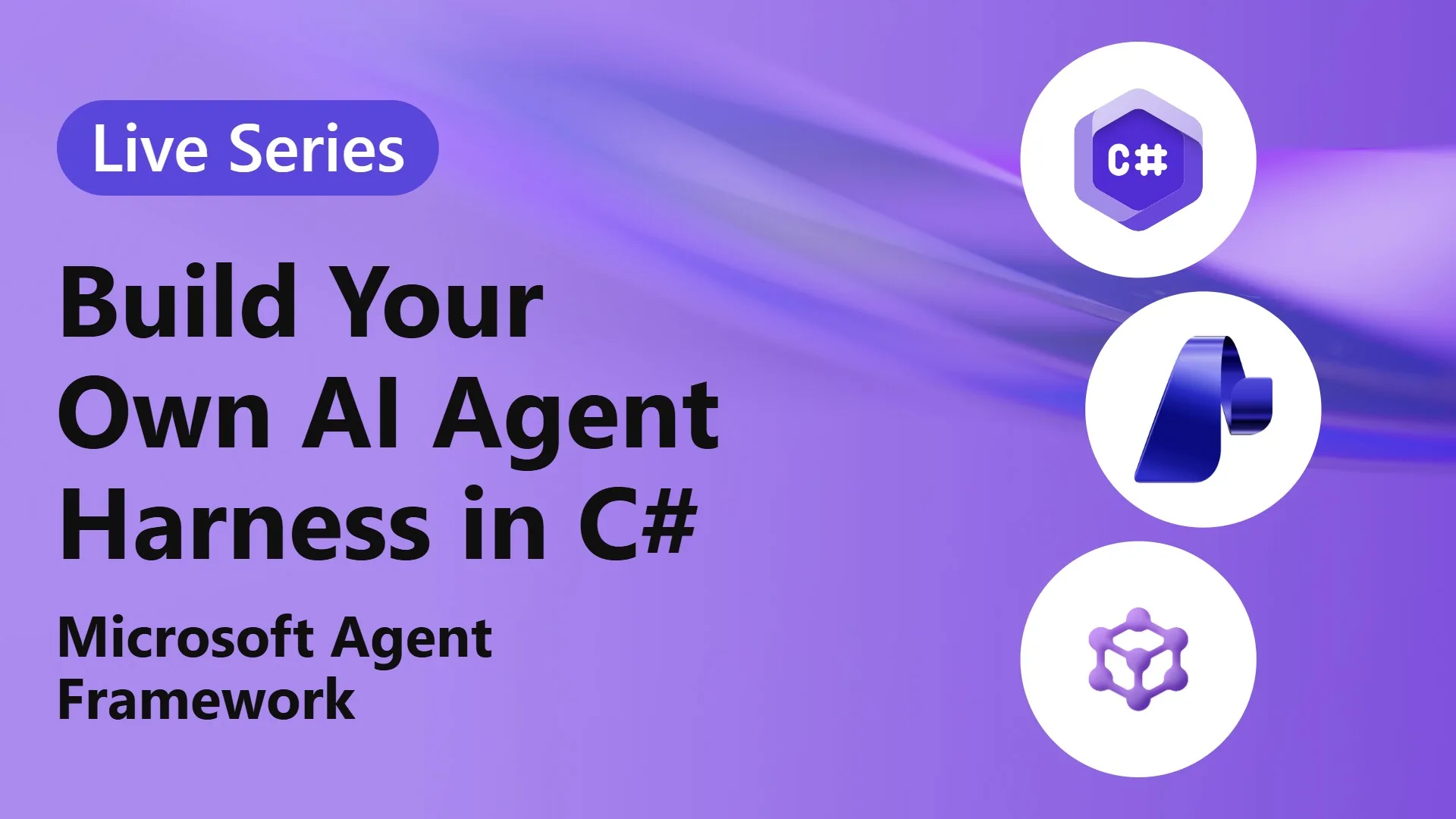
Build Your Own AI Agent Harness in C#, the MafClaw Live Series

Summary

The post walks .NET developers through using Microsoft Agent Framework's harness to turn a simple IChatClient into a fully‑featured C# AI agent, showing code for tool integration, file sandboxing, approval flows, and memory, then outlines further capabilities like skills and observability.

  • Wrap an IChatClient with AsHarnessAgent to get automatic function calling, planning, context compaction, and OpenTelemetry out of the box.
  • Sandbox file access with FileSystemAgentFileStore so the model can only read/write inside a designated folder.
  • Use ApprovalRequiredAIFunction (and auto‑approval rules) to require human consent for risky actions while allowing harmless reads to proceed automatically.
  • Configure durable, scoped memory instead of relying on the model’s “I saved that” claim to ensure persistence.

.NET engineers building AI‑driven assistants need a ready‑made harness that handles orchestration, safety, and observability so they can focus on domain logic.

6/10
Related reading

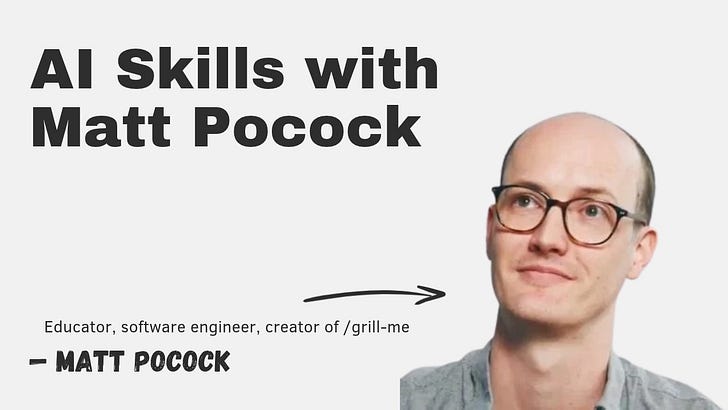
  1. AI Skills with Matt Pocock

    Matt Pocock explains how he uses AI agents for software development, emphasizing "strategic programming" and guiding agents with "leading words" from classic engineering texts. He argues that this approach makes engineering fundamentals more critical than ever for creating agent-optimized codebases.

    The Pragmatic Engineerpragmaticengineer.com7 min
  2. Brownfield Agentic Engineering

    Addy Osmani outlines a pragmatic framework for safely introducing AI‑driven agents into legacy (brownfield) codebases. He proposes zoning code by risk, documenting non‑code knowledge, preserving research in durable memos, building a reusable “harness” of tools and rules, and starting with zero‑risk, characterization‑test‑driven work.

    Addy Osmaniaddyosmani.com13 min
  3. HarnessVLN: Unifying Training-Free Embodied Navigation through an Agent Harness

    HarnessVLN introduces a zero‑shot, training‑free embodied navigation framework that wraps a multimodal LLM in an "Agent Harness" – a tool‑based protocol that validates planner actions against spatial evidence, tracks progress with hierarchical event memory, and maintains a persistent spatiotemporal graph for recovery. The system works for instruction‑following and object‑goal tasks, achieving 60.…

    Hugging Face Daily Papersarxiv.org1 minpaper
  4. Towards Self-Driving Codebases

    The post argues that AI agents could eventually handle low‑level engineering tasks—bug fixing, debugging, UI consistency, growth experiments—if the dev toolchain is made “agent‑legible”. It outlines missing primitives (global memory, code‑base rot prevention, better dev environments) and proposes a bootstrapping process to measure and improve a repo’s “agent readiness”. The piece is largely specu…

    Hacker News front pagedetail.dev9 minHN12099