proomt

Search

Search posts, papers, and topics

All posts

CodeshipJonathan Itakpe4 min readtutorialintermediate

How to Deploy Wildcard SSL Certificates Using Let's Encrypt

Summary

Step‑by‑step tutorial for obtaining a Let’s Encrypt wildcard certificate via DNS‑01 challenge and wiring it into an NGINX server block on Ubuntu 16.04.

  • Wildcard certs (`*.example.com`) let you secure unlimited subdomains with a single cert.
  • Let’s Encrypt only supports wildcard issuance via manual DNS‑01 challenge (as of the article).
  • Certbot command: `sudo certbot --server https://acme-v02.api.letsencrypt.org/directory --manual --preferred-challenges dns --installer nginx -d *.example.com`.
  • Create the `_acme-challenge.example.com` TXT record with the value shown by Certbot; verify with a TXT lookup before continuing.

Wildcard certificates simplify TLS management for multi‑tenant SaaS or any app that spins up per‑user subdomains, reducing operational overhead and avoiding rate‑limit issues with per‑subdomain certs.

5/10

Related reading

  1. Inside ZCode: Silently uploading your Git history to the cloud

    ZCode (Zhipu’s AI coding desktop) silently archives your entire workspace—including full .git history, LFS cache, and config—encrypts it with a server‑supplied RSA public key, and uploads the ciphertext directly to Aliyun OSS. The upload runs unconditionally for any logged‑in user, cannot be disabled via UI, and the decryption key lives only on the server, giving Zhipu full read access to your co…

    Hacker News front pageferstar.org6 minpostmortemHN336113
  2. Article: Your Next DSL Author Is a Language Model

    Typed Domain Grounding (TDG) embeds a DSL inside a mainstream language the LLM already knows (e.g., Kotlin) and uses the host compiler as an oracle. The author describes five building blocks—embedding, choosing a host language with high training‑data frequency, compiler‑driven type safety, a generate‑compile‑repair loop, and an on‑demand teaching tool—and shows measured results from kUML, a Kotli…

    InfoQinfoq.com18 min
  3. On-Demand Masked Sessions with Twilio Proxy, Voice and Serverless

    A step‑by‑step tutorial showing how to build a Just‑in‑Time masked‑call workflow with Twilio Voice, Proxy, and Sync, using a two‑bounce out‑of‑session pattern to collect a tracking code via IVR, resolve the counterpart’s number, stash it in Sync, and auto‑create a Proxy session on the fly—all deployed as Twilio Serverless Functions.

    Twiliotwilio.com18 min
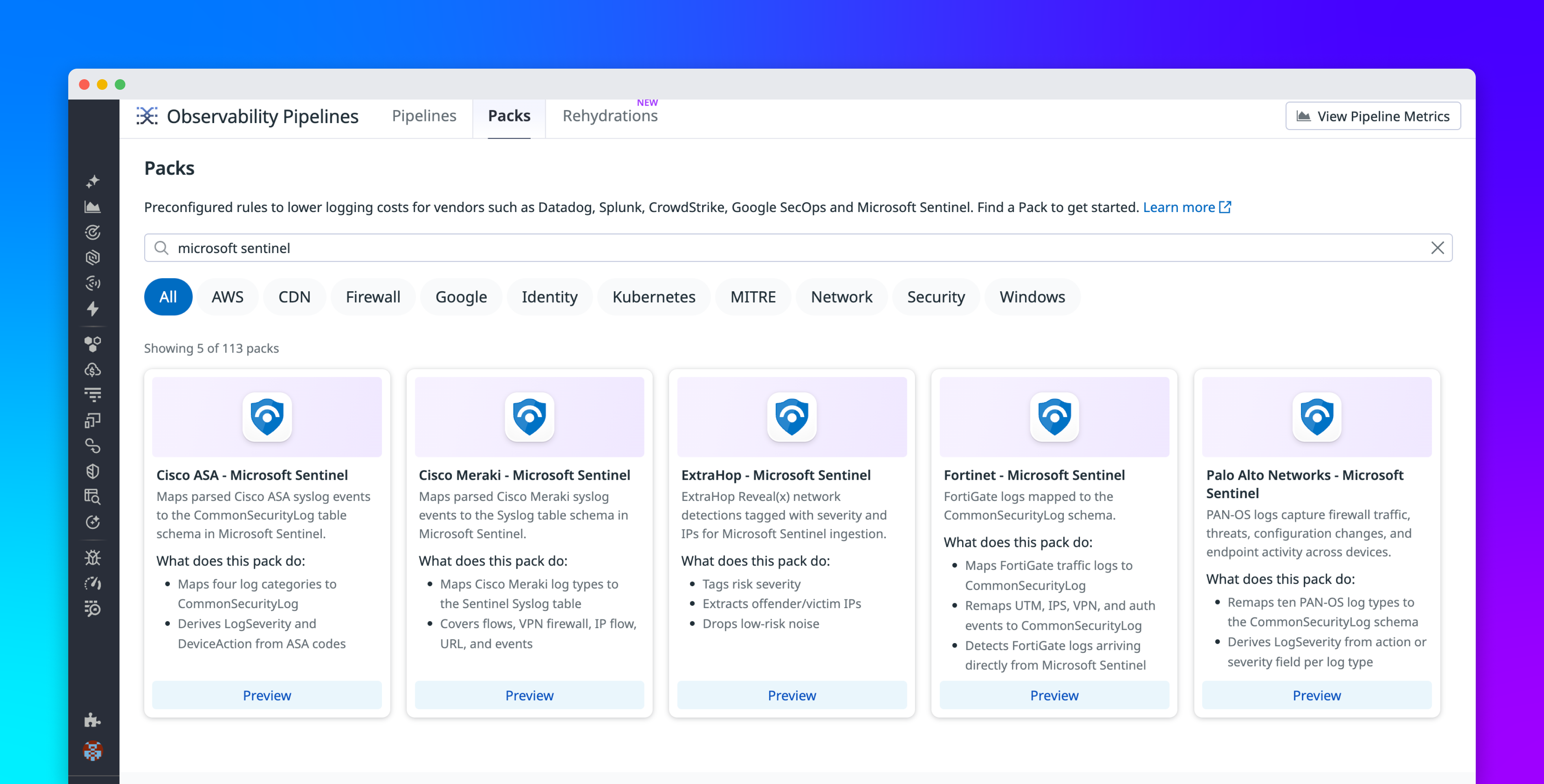
  4. Transform and route security logs to Microsoft Sentinel tables using Observability Pipelines

    Datadog Observability Pipelines now ships pre‑built Microsoft Sentinel Packs that map logs from Palo Alto, Fortinet, Cisco ASA, Cisco Meraki, and ExtraHop into Sentinel’s CommonSecurityLog or Syslog tables. Packs handle field extraction, severity derivation, and device‑action mapping, letting you filter or drop low‑value events before ingest, validate mappings with Live Capture, and reduce per‑GB…

    Datadogdatadoghq.com5 min
  5. SQLite Across Every Port: One Contract, One Encrypted File Format

    Codename One now ships a single, tested SQLite contract that works natively on Android, iOS, Windows, Linux, and in browsers via WebAssembly, with built‑in SQLCipher‑4 encryption supporting three key models. A conformance suite guarantees identical behavior across platforms, and migration helpers let legacy apps opt‑in. The update also adds a proper watch‑app model, DOM‑based text for JavaScript,…

    CodeName Onecodenameone.com11 min