Hall of FameNathan Bronson, Aleksey Charapko, Abutalib Aghayev, Timothy Zhu202125 min readpaperintermediate
Metastable Failures in Distributed Systems
Summary
This paper introduces and formalizes "metastable failures" in distributed systems, a class of outages where a trigger pushes a system into a bad state that persists due to a sustaining effect, even after the trigger is removed. These failures often stem from features designed for efficiency or reliability and require significant external intervention to resolve.
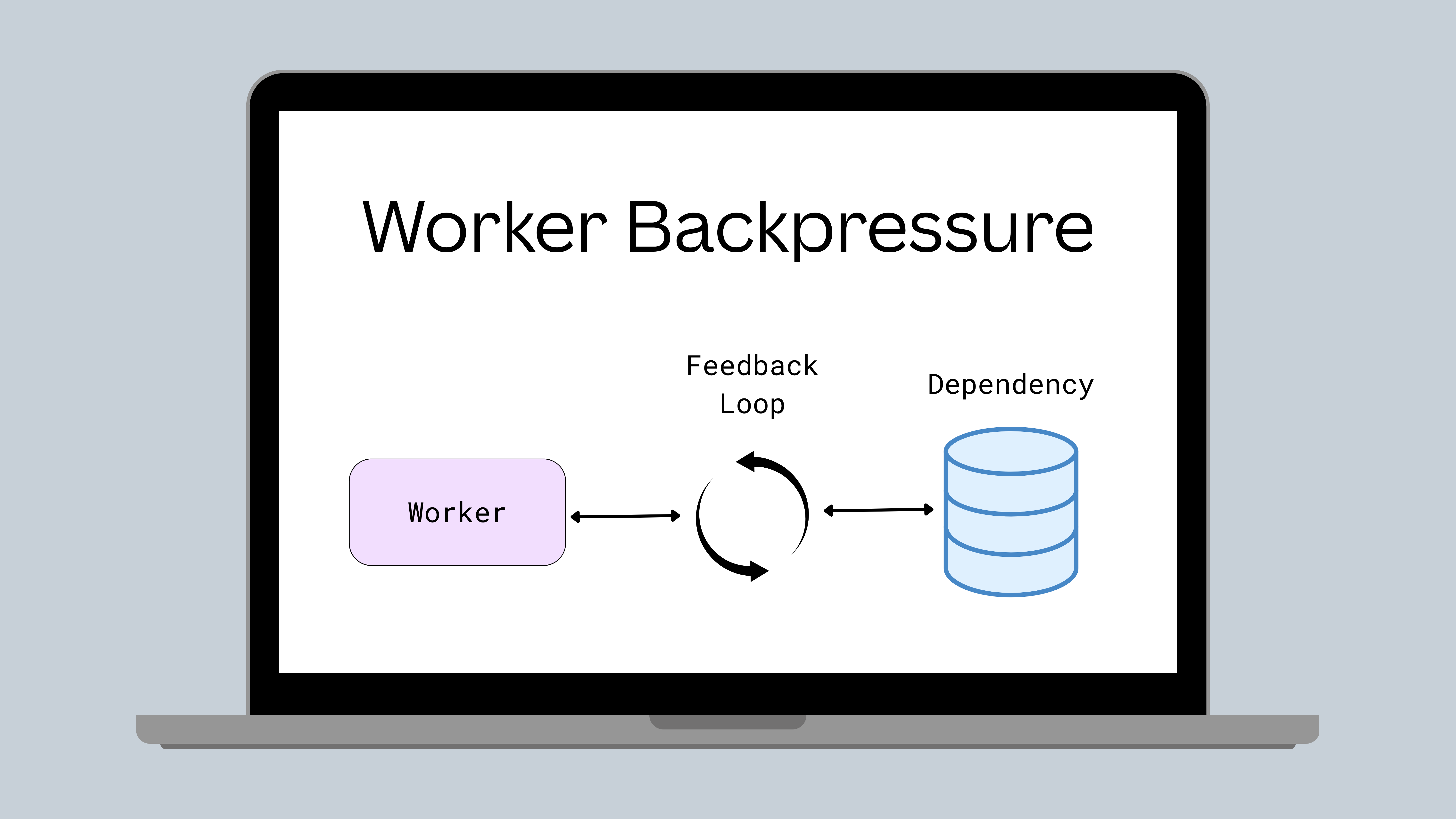
- Metastable failures are sustained by feedback loops (e.g., work amplification) and do not resolve when the initial trigger is gone.
- Features like request retries and look-aside caching, intended for efficiency, can create vulnerability to metastable states.
- Systems can operate in a "vulnerable" state for extended periods before a trigger causes a transition to a metastable failure.
- Recovery from a metastable state typically requires a strong corrective push, such as dramatically reducing load or rebooting.
This paper provides a crucial framework for understanding and addressing a class of severe, hard-to-diagnose outages in large-scale distributed systems that were previously only understood anecdotally.
8/10