proomt

Search

Search posts, papers, and topics

reliability

RSS
  1. 1

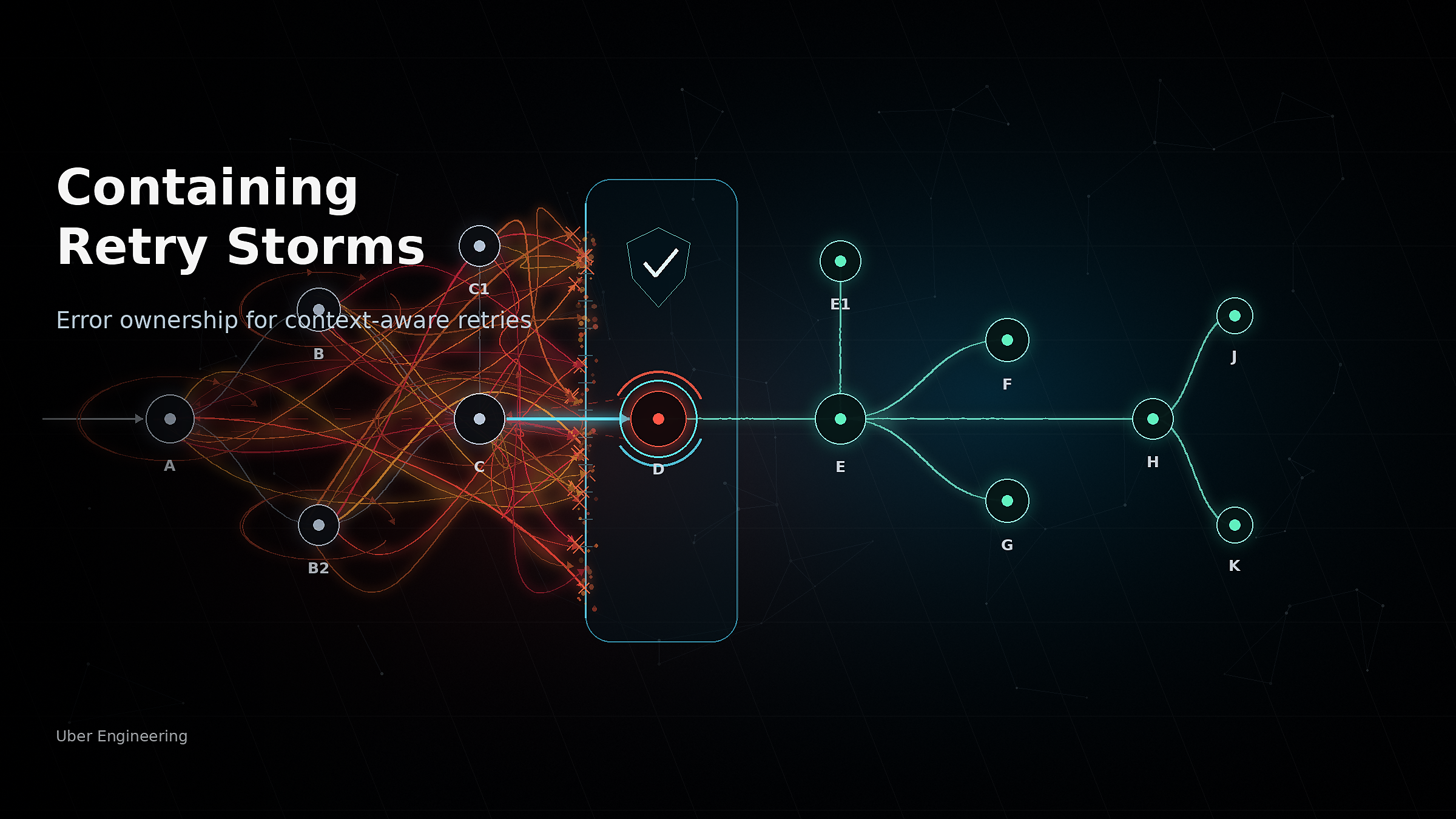
    How Uber Protects Against Retry Storms

    Uber developed a context-aware mechanism to prevent retry storms in deep microservice dependency chains. It introduces "error ownership" where services claim errors they originate and unclaim errors they propagate, allowing upstream callers to make informed retry decisions and avoid amplifying load on already struggling services.

    Hacker News front pageuber.com12 minHN11949

  2. 2

    AI Changed How Spotify Builds. What We Learned (and Fixed) About Quality at Higher Velocity

    Spotify’s AI‑assisted development doubled change volume, exposing gaps in alerting, capacity planning, fleet‑update safety, and mobile quality signals. The team added end‑to‑end monitoring, priority‑based tiering, stronger rollback/observability, and expanded edge capacity. Data shows AI‑generated code isn’t a direct incident cause, but verification pipelines must scale with velocity.

    Spotifyatspotify.com7 minpostmortemHN52
  3. 4

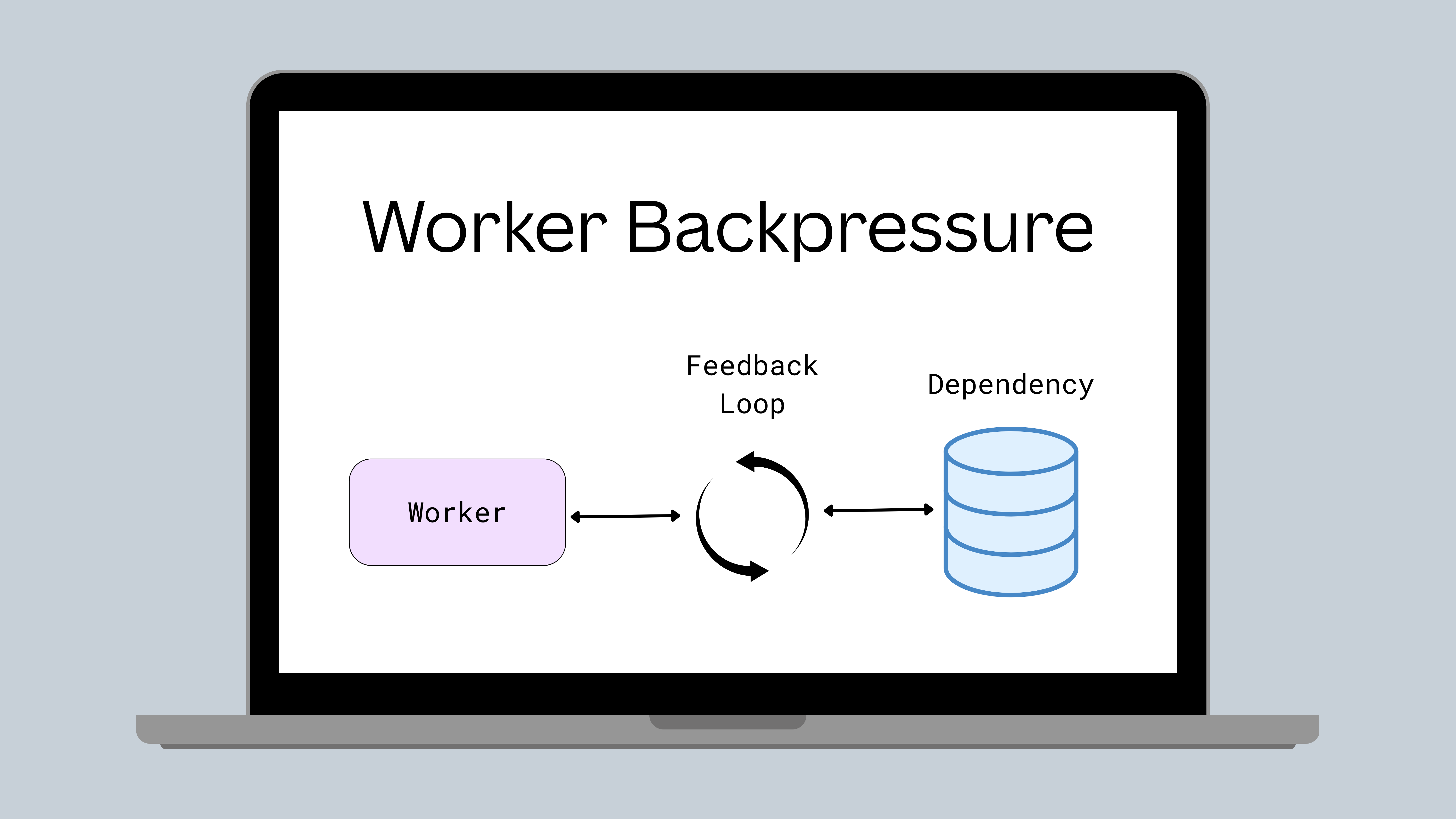
    Worker Backpressure (Part 1)

    Canva added a lightweight, local backpressure loop to its queue worker library that monitors per‑message success/failure, computes a backoff factor against a configurable failure‑rate set‑point, and throttles the worker’s concurrency. In two real incidents the mechanism kept failure rates under 2 % fleet‑wide, limited DLQ growth to a handful of messages, and maintained throughput without manual i…

    Canvacanva.dev10 min
  4. 5

    ModaLens: Measuring Image Sensitivity in Report-Conditioned Medical VLMs

    ModaLens introduces a paired image-swap audit to measure how radiology report availability affects image sensitivity in medical VLMs. It found that MedGemma-27B's answers changed significantly more often when the image was swapped if the report was not available, indicating reports reduce image reliance.

    Hugging Face Daily Papersarxiv.org1 minpaper
  5. 6

    Best practices for handling cloud reliability incidents

    The article outlines a structured Verify→Investigate→Report→Resolve→Review workflow for GCP reliability incidents and stresses pre‑incident preparation across design, data, playbooks, and training. It lists concrete tools (Cloud Logging, Service Health, Gemini Assist) and reporting steps to help engineers reduce outage impact.

    Google Cloud Bloggoogle.com11 min
  6. 7

    Lessons From Testing Distributed Systems

    This Jepsen blog post announces a retrospective talk on 13 years of testing distributed systems, linking to slides and a video. The post itself contains no detailed lessons or technical content.

    Jepsenjepsen.io1 min
  7. 8

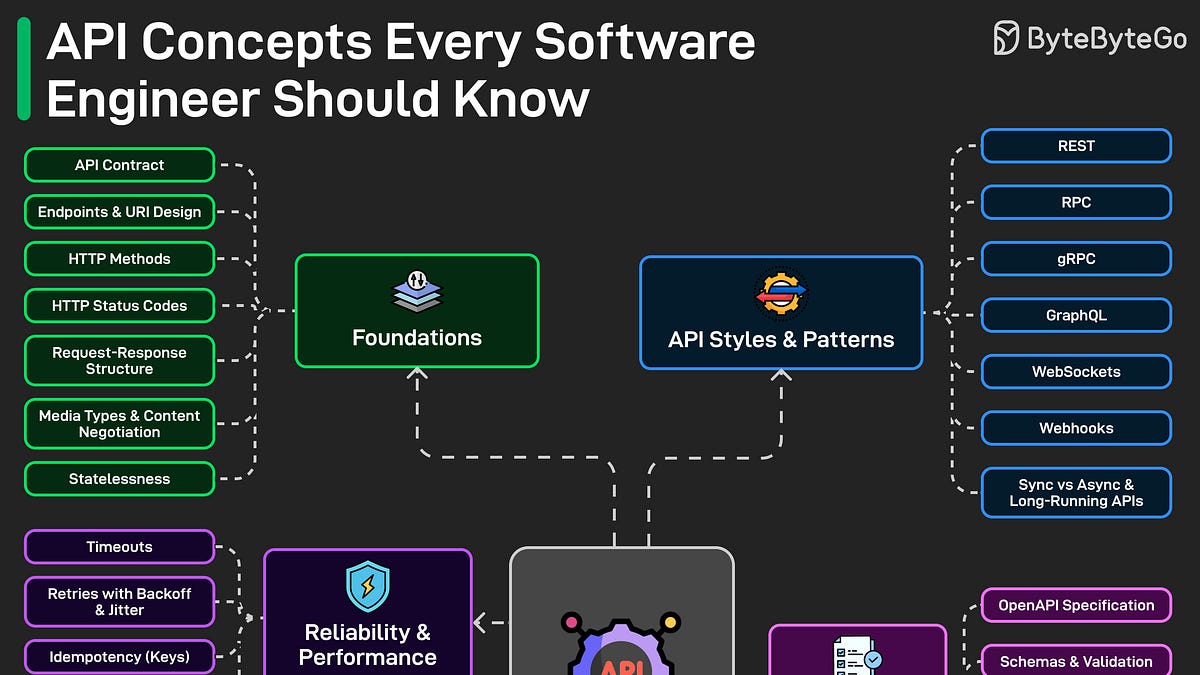
    EP226: API Concepts Every Software Engineer Should Know

    This article outlines essential API design considerations, covering HTTP fundamentals, architectural styles like REST and GraphQL, and critical aspects such as naming, versioning, security, and reliability. It serves as a high-level checklist for engineers designing or consuming APIs.

    ByteByteGobytebytego.com5 min