Related reading
Decoy Direction Optimization: A Post-Hoc Defense Against LLM Abliteration
Decoy Direction Optimization (DDO) is a post‑hoc weight‑editing defense for open‑weight LLMs that injects a high‑magnitude nonlinear decoy into MLP neurons, corrupting contrastive estimators used by Refusal Feature Ablation (RFA) attacks. The paper proves a spectral bound on the effect, evaluates DDO on six model families (including Llama‑3‑8B‑Instruct), and shows <10 % attack success rate (ASR)…
Hugging Face Daily Papersarxiv.org1 minpaperREVERSAL-BENCH: A Reversibility Axis and Reset Oracle for Measuring the Reset-Free RL Cliff
The paper presents REVERSAL‑BENCH, a benchmark that varies environment reversibility with a parameter ρ and provides a ground‑truth reset oracle for eight manipulation tasks. Using it, the authors show that reset‑free RL agents hit a sharp reversibility cliff and become permanently trapped, while episodic agents remain robust.
Apple Machine Learning Researchapple.com1 minpaperOn-Demand Masked Sessions with Twilio Proxy, Voice and Serverless
A step‑by‑step tutorial showing how to build a Just‑in‑Time masked‑call workflow with Twilio Voice, Proxy, and Sync, using a two‑bounce out‑of‑session pattern to collect a tracking code via IVR, resolve the counterpart’s number, stash it in Sync, and auto‑create a Proxy session on the fly—all deployed as Twilio Serverless Functions.
Twiliotwilio.com18 minThe Farnese letter
The author reverse‑engineers a 1542 Italian cipher from a Farnese letter by combining digit‑frequency analysis with a beam‑search decoder guided by a five‑gram Italian language model, ultimately recovering the key and partial plaintext.
Hacker News front pagesimonklee.dk42 minHN476Worker Backpressure (Part 1)
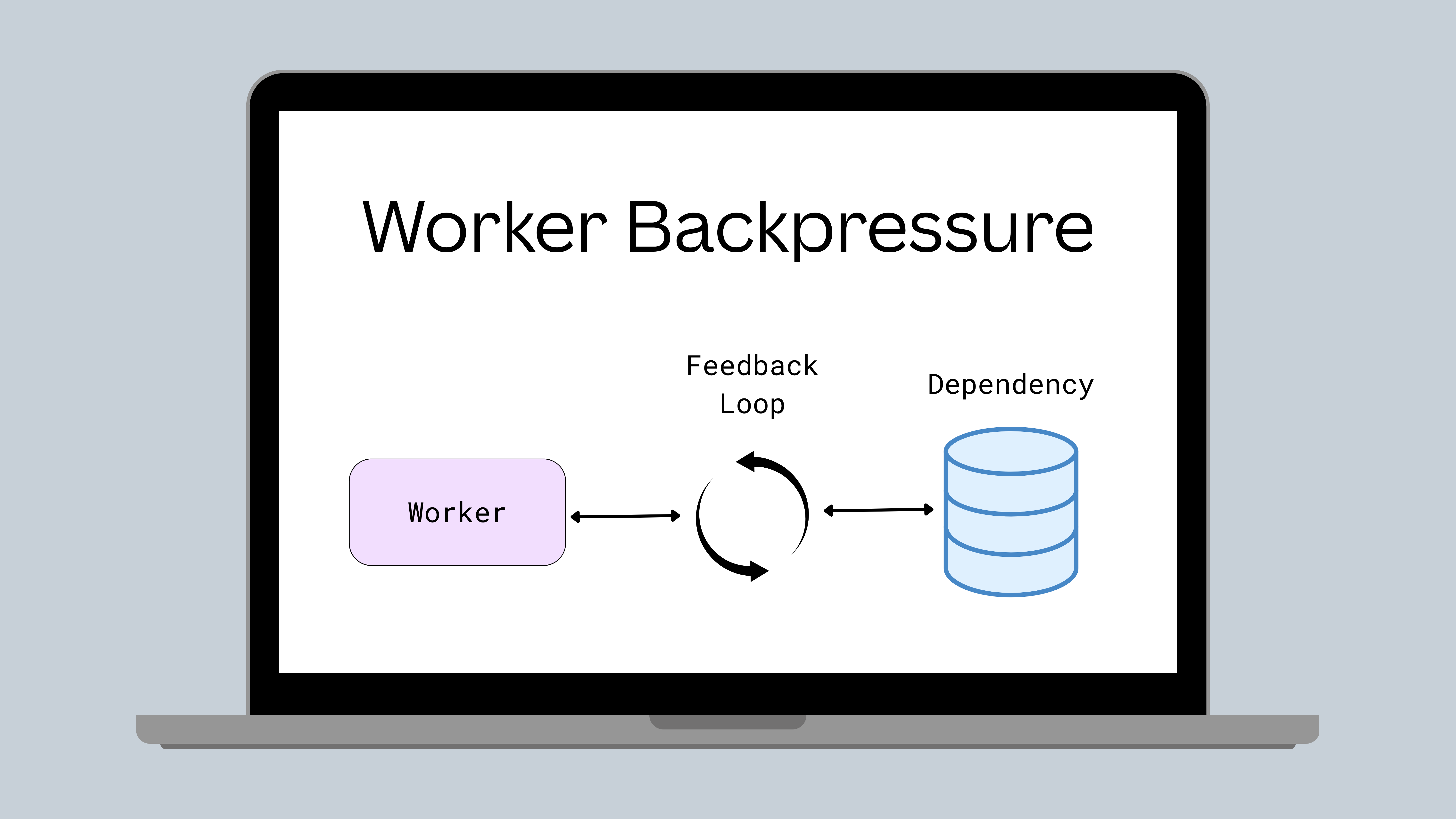
Canva added a lightweight, local backpressure loop to its queue worker library that monitors per‑message success/failure, computes a backoff factor against a configurable failure‑rate set‑point, and throttles the worker’s concurrency. In two real incidents the mechanism kept failure rates under 2 % fleet‑wide, limited DLQ growth to a handful of messages, and maintained throughput without manual i…
Canvacanva.dev10 minSecuring AI Pull Requests: Building a Deterministic AST Audit Harness in GitHub Actions
A step‑by‑step tutorial for building a deterministic AST‑based security scanner that runs in GitHub Actions to catch prototype‑pollution, high‑entropy secrets, and unauthorized network egress in AI‑generated pull requests.
SitePointsitepoint.com19 min