Related reading
The scourge of x86 emulation
The article explains why emulating x86's strict TSO memory model on ARM's weak model is costly, shows microbenchmark results for acquire/release vs. LRCPC loads, and describes how newer ARM extensions and Apple Silicon's TSO mode restore performance.
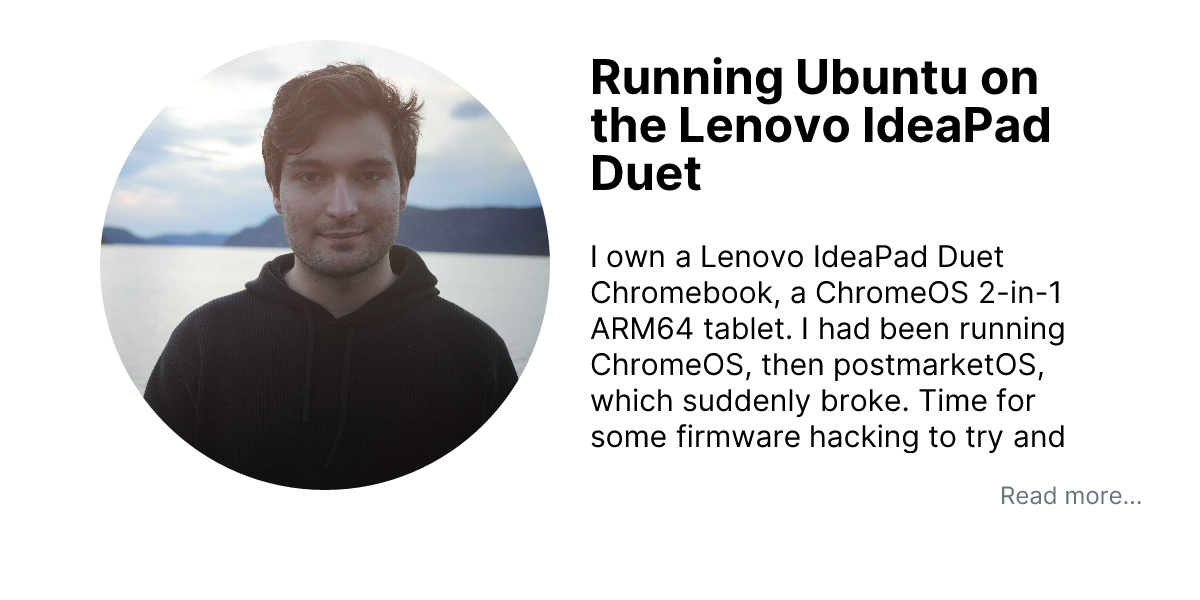
Running Ubuntu on the Lenovo IdeaPad Duet
The author swaps postmarketOS for an Ubuntu rootfs on a Lenovo IdeaPad Duet, discovers the device boots via Depthcharge using a FIT image, and explains why a UEFI‑capable firmware like U‑Boot is needed to run Ubuntu's kernel.
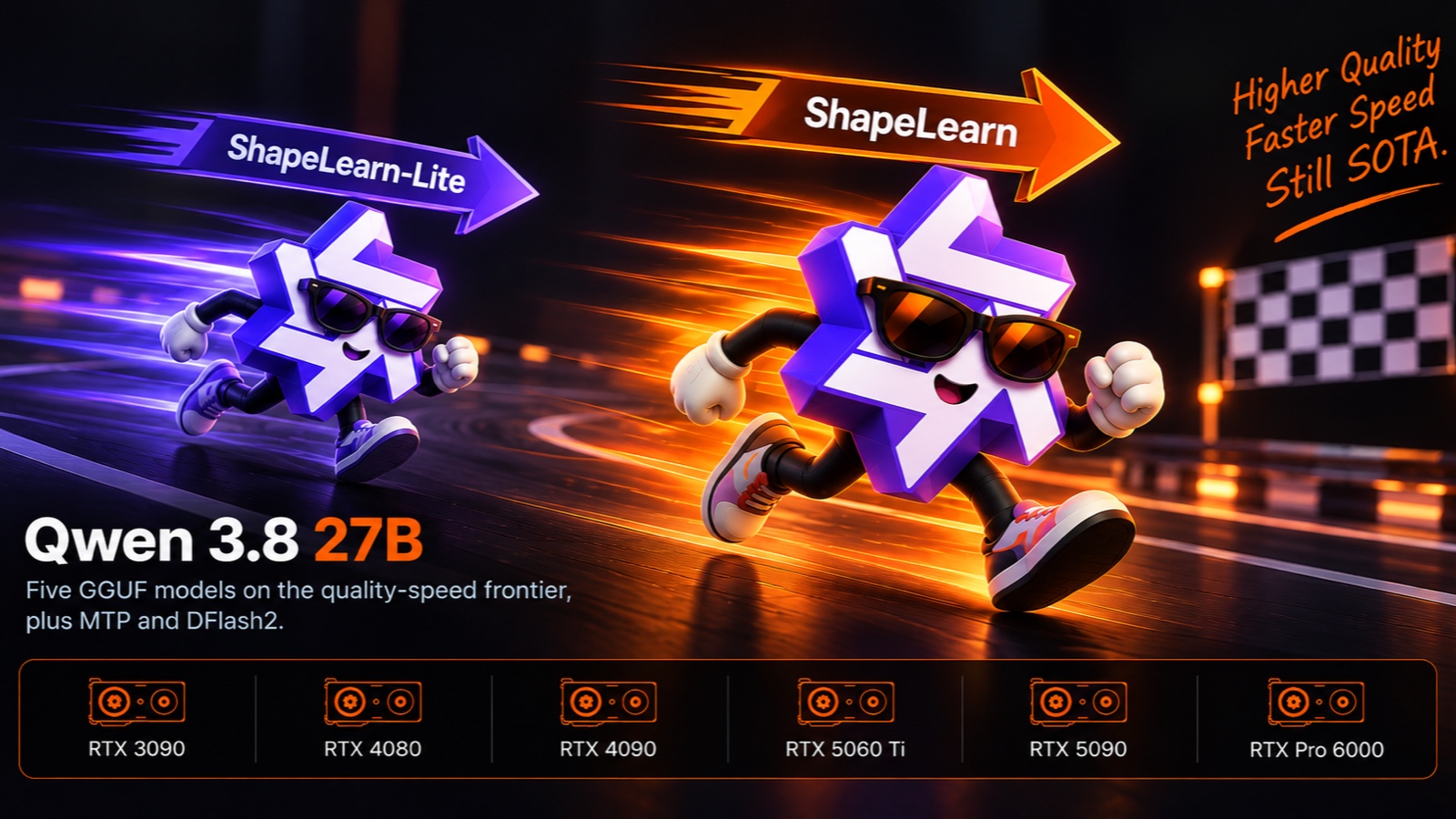
Hacker News front pagevhaudiquet.fr38 minHN9839Shapelearn Qwen 3.8 27B (13.1 GB VRAM)
ByteShape releases full ShapeLearn quantizations for Qwen 3.8 27B, showing that their GPU‑specific GGUFs (GPU‑1…GPU‑5) dominate the quality‑throughput frontier across six GPUs, with GPU‑5 hitting 99.63 % of BF16 accuracy at 90 TPS on a 13.1 GB model. Speculative decoding (MTP, DFlash2) further boosts throughput, and the Lite set remains competitive.
Hacker News front pagebyteshape.com17 minHN10439Building a Linux GPU Driver for the M4 Mac Mini in One Month
Built a clean‑room OpenGL ES 3.0 Linux driver for Apple‑silicon M4/A18 Pro GPUs in ~4 weeks, covering reverse‑engineered firmware ABI, a Rust kernel driver, a custom IR/shader compiler, and user‑space Metal translation; achieved 200 fps Minecraft and WebGL demos, with heavy LLM assistance for debugging and code generation.
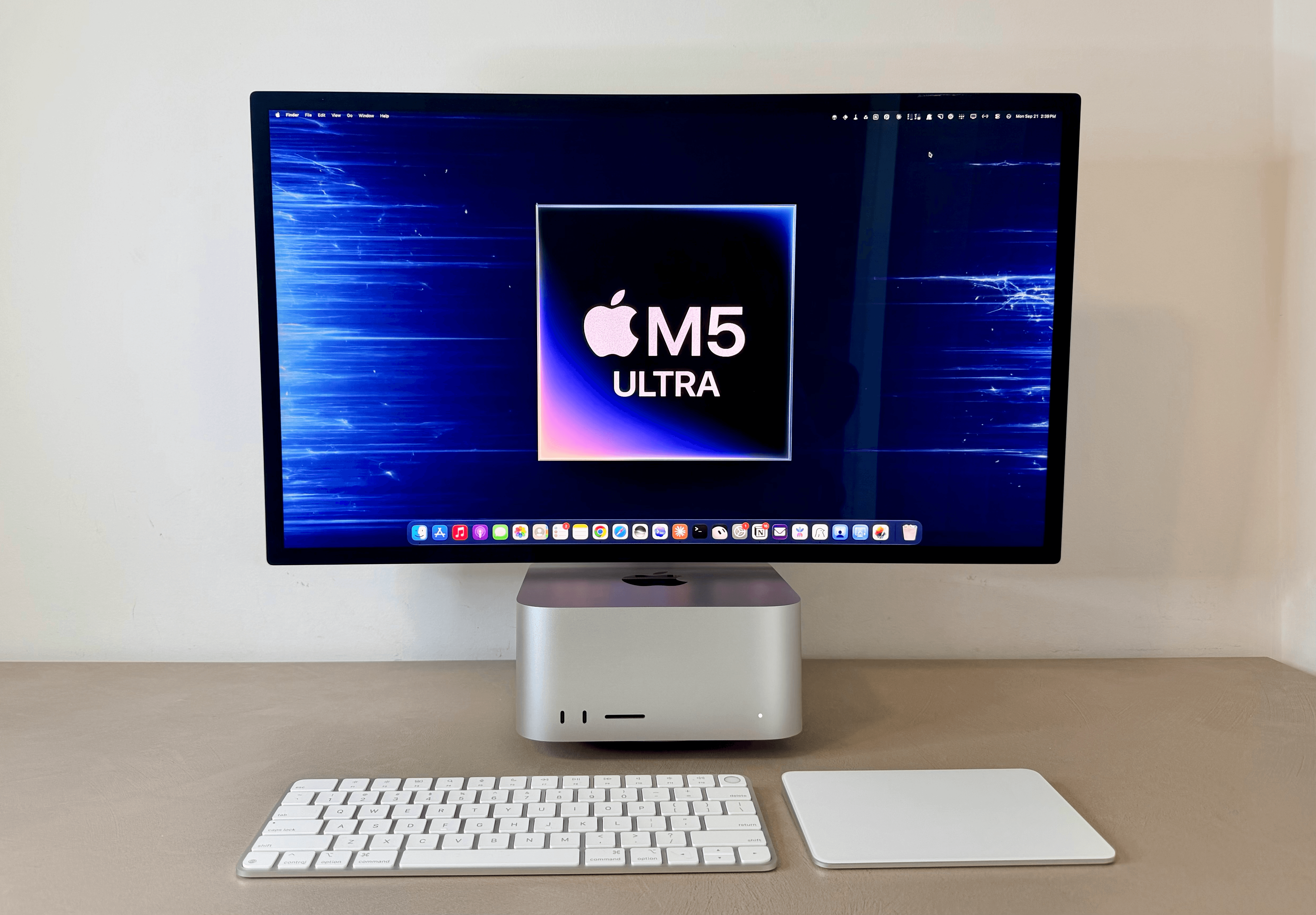
Hacker News front pagecodyho.dev15 minHN416281M5 Ultra Mac Studio Review
The M5 Ultra Mac Studio (256 GB RAM) uses a quad‑die M5 Max architecture with an 80‑core GPU and 1.2 TB/s memory bandwidth, delivering ~70 % faster prompt‑to‑first‑token and token‑generation rates than the M3 Ultra. In the author’s tests Qwen3.8‑Flash‑Next hits 100 tokens/s on short prompts and 60‑85 tokens/s with 64‑256 KB context, making local AI agents (Open Minis, Hermes, Codex) feel snappy a…
Hacker News front pagemacstories.net39 minHN250249Article: Architecting Secure and Scalable Facial Verification Systems
A real‑world post‑mortem of a high‑volume face verification service that moved from a naïve synchronous API to an async, layered pipeline (edge validation, preprocessing, decoupled detection/verification, decision engine) to achieve 8.5k rpm, p99 < 1.8 s, 30 % cost savings, and strict privacy controls.
InfoQinfoq.com15 min