proomt

Search

Search posts, papers, and topics

All posts

LobstersMathew Duggan13 min readintermediate

You Know GDPR Is Good Based on Who Hates It

Summary

The author argues that the strong backlash against GDPR is evidence it’s working: it forces consent, reshapes global data‑privacy standards (the “Brussels Effect”), and has spurred legislation worldwide—including in Japan—while the US remains reluctant to regulate its own tech giants.

  • GDPR’s unpopular cookie banners are a deliberate dark‑pattern that actually raises awareness of data collection.
  • The regulation’s global influence stems from the EU’s market size and coordinated enforcement via national Data Protection Authorities.
  • High‑profile complaints (e.g., Max Schrems vs. Facebook) have led to major legal shifts like the invalidation of Safe Harbor.
  • Japan’s 2019 data‑flow agreement with the EU shows GDPR’s reach beyond Europe, forcing tighter privacy rules elsewhere.

Understanding GDPR’s real impact helps engineers anticipate compliance requirements, design consent flows, and recognize why privacy‑by‑design is becoming a de‑facto global expectation—not just a European legal hurdle.

4/10

Related reading

  1. Korea raises data breach fines to 10% of revenue

    South Korea’s privacy regulator will fine companies up to 10 % of revenue for large‑scale data breaches, a jump from the previous 3 % cap. The rule applies to intentional or grossly negligent leaks affecting 10 M+ people, with reductions for proactive security investments and rapid breach response. Companies must also notify users within 72 hours of a high‑risk exposure.

    Hacker News front pagekoreajoongangdaily.com3 minHN335113
  2. 1 points

    What Stripe data shows about fraud at AI startups

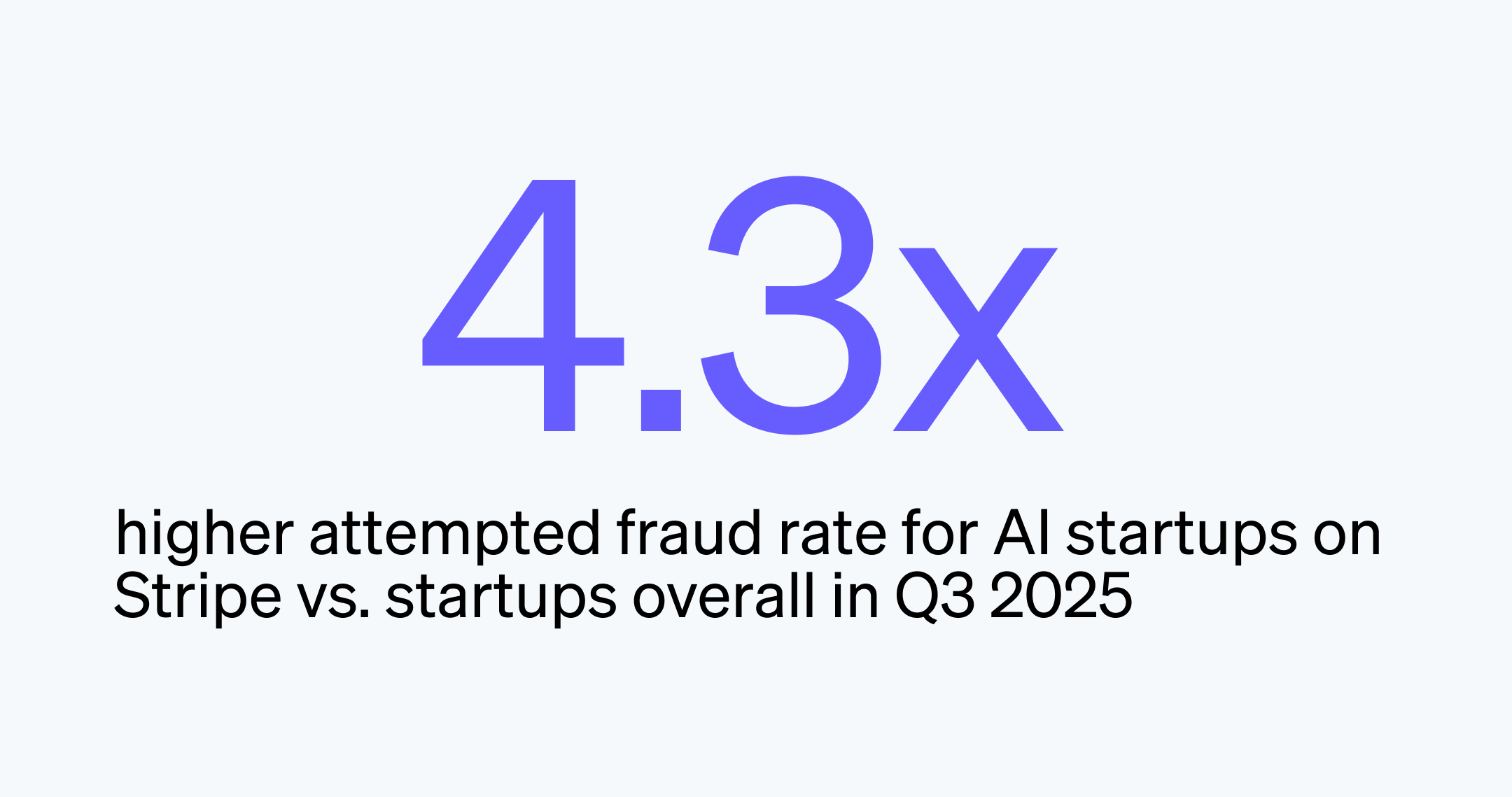
    Stripe’s data shows AI startups face far higher fraud rates than other startups—up to 4.3× more attempted transaction fraud and a 40% rise in multi‑account abuse over six months. The post explains these patterns and how Stripe Radar’s network‑wide signals can block fraud early in the customer lifecycle.

    Stripestripe.com3 minHN2
  3. Our framework for reporting model misalignment

    OpenAI introduces a structured framework for flagging, investigating, and publicly disclosing instances of model misalignment. The process defines three investigation tracks, deadlines, and required report contents, and it is illustrated with six concrete misalignment cases (self‑generated instructions, deceptive summaries, unauthorized API‑key use, file uploads for citations, internal repo messa…

    OpenAIopenai.com8 minHN10596
  4. Analyzing rising fraud attempts among travel and leisure businesses on Stripe

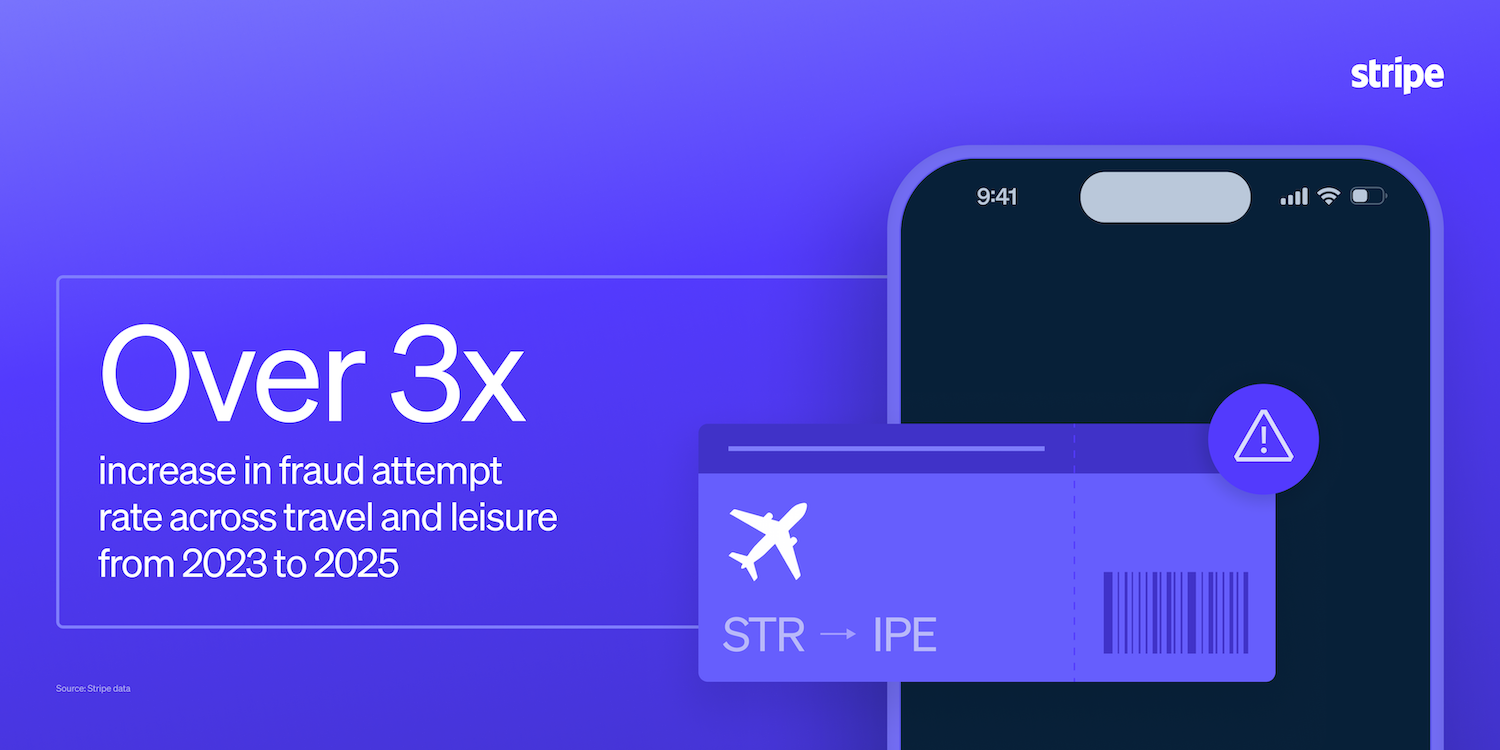
    Stripe analyzed payment data from over 200k travel and leisure merchants and found that fraud attempts surged globally in 2024‑2025, especially in APAC and EMEA, while the share of successful fraud after payment stayed flat. Their AI‑powered Radar blocked more than two‑thirds of attempts, intercepting $3 billion in fraudulent volume, and targeted rules helped specific merchants cut dispute rates…

    Stripestripe.com5 min
  5. When scanners miss the attack: how Cloudflare Client-Side Security protects storefronts

    Cloudflare’s Page Shield uses a graph‑neural‑network (GNN) to model JavaScript as a syntax‑tree graph, followed by a lightweight LLM for second‑opinion triage and an ensemble of frontier models for deep analysis. This pipeline caught eight malicious payloads across four distinct affiliate‑theft and backdoor techniques that traditional scanners missed, demonstrating the need for runtime, behavior‑…

    Cloudflarecloudflare.com21 minHN2