proomt

Search

Search posts, papers, and topics

All posts

Hacker News front page11 min readintro
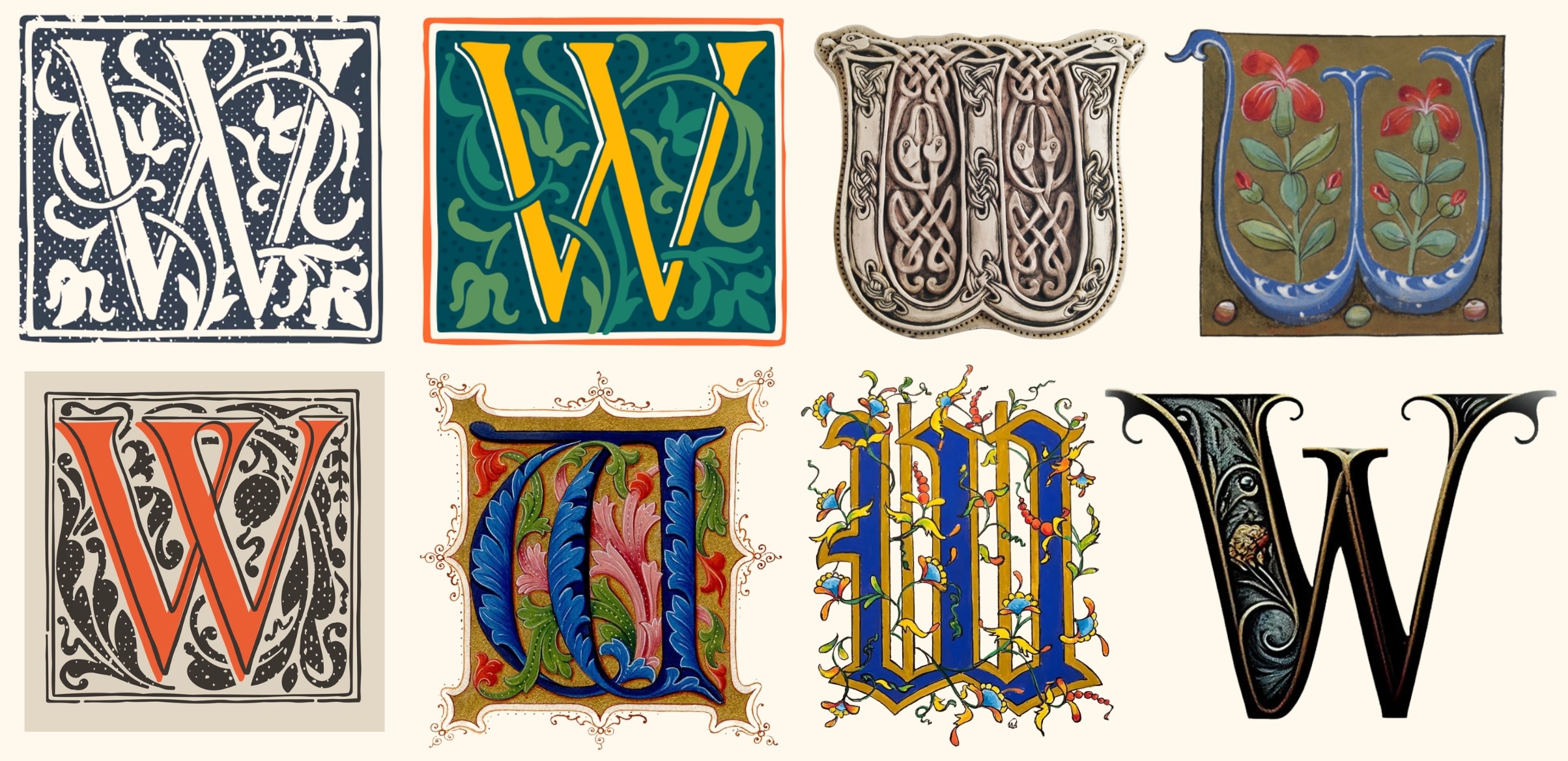
A Necessary History of the Oddest Letter: W

Summary

A historical essay tracing the origin of the letter W from post‑Roman scribal practices, its adoption via double‑U in early medieval Latin and Old English, competition with the rune wynn, and its later spelling quirks in English.

  • W emerged in the 6th‑century Frankish scribal tradition by doubling the letter U to represent the Germanic /w/ sound absent in Latin.
  • Old English used the rune Ƿ (wynn) for /w/ before the Latin‑derived W displaced it under French/Latin influence after the Norman Conquest.
  • Medieval spelling conventions (e.g., avoiding triple‑U, swapping U for O after W) explain modern irregularities like ‘wolf’, ‘wonder’, and the OW vs OU vowel spellings.

Understanding the historical quirks of English orthography helps developers avoid confusing naming conventions, improves readability of legacy codebases, and informs better design of language‑processing tools.

2/10
Related reading

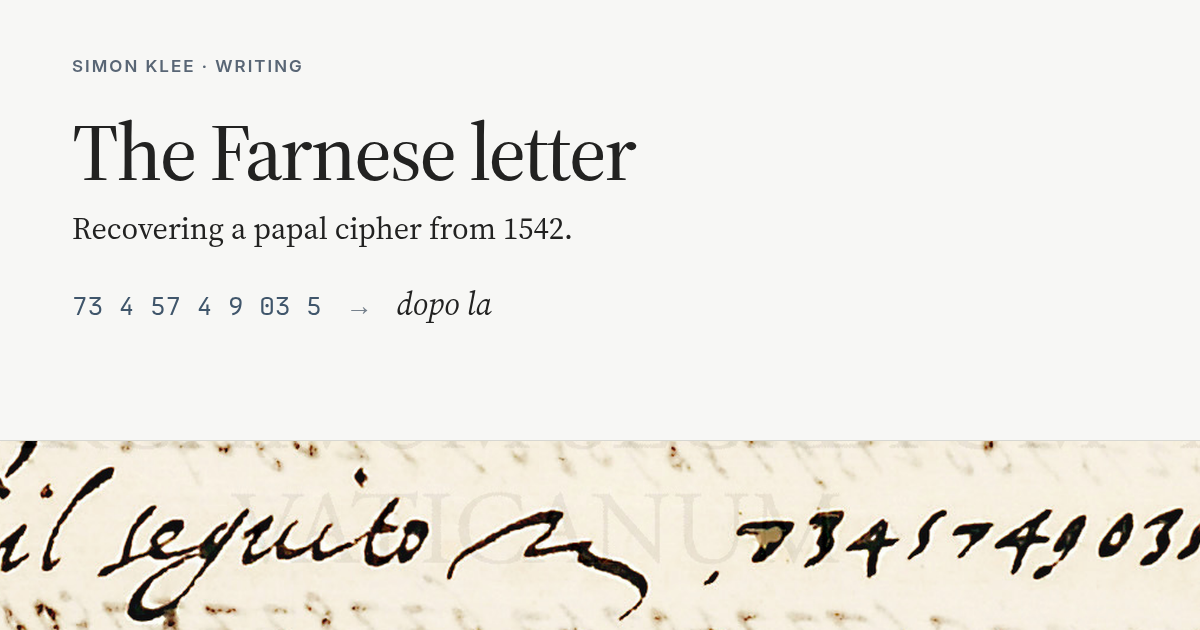
  1. The Farnese letter

    The author reverse‑engineers a 1542 Italian cipher from a Farnese letter by combining digit‑frequency analysis with a beam‑search decoder guided by a five‑gram Italian language model, ultimately recovering the key and partial plaintext.

    Hacker News front pagesimonklee.dk42 minHN476
  2. English: A vs. An

    The indefinite article in English depends on the initial sound, not the spelling. An analysis of the CMU pronunciation dictionary shows only 129 of 32,455 words are exceptions, and the first two letters are usually enough to decide between “a” and “an”.

    Hacker News front pageredblobgames.com1 minHN358517
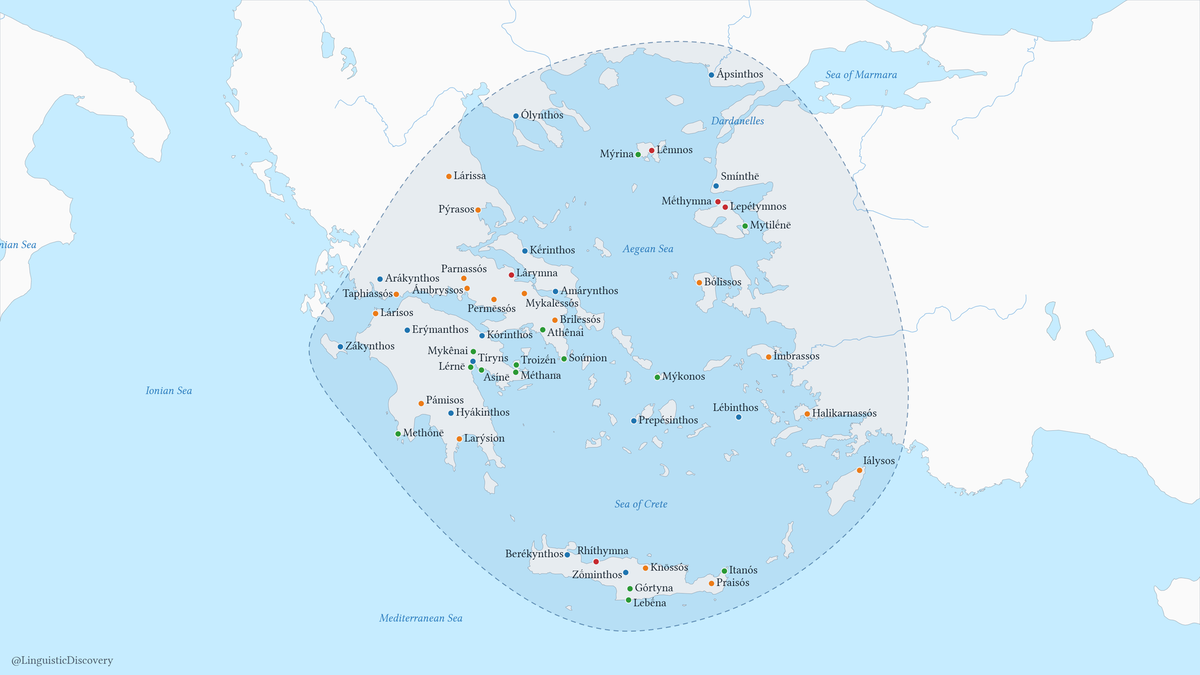
  3. Pre-Greek: The lost language hidden within Ancient Greek

    The article surveys the mysterious set of ~1,000 Ancient Greek words with no Indo‑European etymology, arguing they are borrowings from a now‑lost “Pre‑Greek” substrate spoken by earlier Neolithic farmers. It explains linguistic concepts (substrate, superstrate, adstrate), gives examples (olive, fig, cypress, etc.), and outlines how such borrowings reveal migration and contact patterns.

    Hacker News front pagelinguisticdiscovery.com43 minHN19372
  4. How I Wrote a Forth (Without Knowing How)

    The author details building MoonForth, a Forth interpreter written in C that leverages Lua's C API for stack manipulation and word storage. The process was surprisingly straightforward, reinforcing the idea that Forth "writes itself" by iteratively filling missing functionality.

    Lobstersvtrlx.ca9 minHN2lobste.rs9
  5. Article: Your Next DSL Author Is a Language Model

    Typed Domain Grounding (TDG) embeds a DSL inside a mainstream language the LLM already knows (e.g., Kotlin) and uses the host compiler as an oracle. The author describes five building blocks—embedding, choosing a host language with high training‑data frequency, compiler‑driven type safety, a generate‑compile‑repair loop, and an on‑demand teaching tool—and shows measured results from kUML, a Kotli…

    InfoQinfoq.com18 min