proomt

Search

Search posts, papers, and topics

All posts

ElasticWoody Walton11 min readintermediate

CISA's Logging Reference Architecture for OMB M-26-14: What federal agencies should do next

Summary

CISA’s Logging Reference Architecture translates OMB M‑26‑14 requirements into eight concrete shifts, from searchable storage tiers to schema‑first design and continuous validation. Agencies should use Elastic’s tools to build a heterogeneous, schema‑first logging architecture and file a plan by 18 Nov 2026 to meet the mandated maturity milestones.

  • Maintain six months of actively searchable log data at all maturity levels and separate searchable, retrievable, and evidentiary storage tiers.
  • Adopt a schema‑first approach using Elastic Common Schema to ensure every record includes the six required fields for cross‑source correlation.
  • Select a heterogeneous architecture pattern (e.g., Repository First, Dual Replication) instead of a monolithic SIEM to meet scalability and cost goals.
  • Implement continuous readiness metrics and validation tests (synthetic, replay, threat emulation) to prove logging pipelines work end‑to‑end.

Federal agencies must comply with CISA’s new Logging Reference Architecture under OMB M‑26‑14; following these recommendations lets them meet upcoming maturity deadlines and build a reliable, searchable logging capability.

6/10


Related reading

  1. Article: Architecting Secure and Scalable Facial Verification Systems

    A real‑world post‑mortem of a high‑volume face verification service that moved from a naïve synchronous API to an async, layered pipeline (edge validation, preprocessing, decoupled detection/verification, decision engine) to achieve 8.5k rpm, p99 < 1.8 s, 30 % cost savings, and strict privacy controls.

    InfoQinfoq.com15 min
  2. Article: Beyond Relevance: A Governance-First Architecture for Enterprise Personalization

    The article proposes a governance‑first architecture for enterprise personalization, where policy‑driven steps (memory, journey graph, AI routing, scoring, trust checks, outcome simulation) shape the recommendation before it is returned. A reference FastAPI implementation demonstrates the pattern with external YAML policies and optional LLM assistance.

    InfoQinfoq.com19 min
  3. Transform and route security logs to Microsoft Sentinel tables using Observability Pipelines

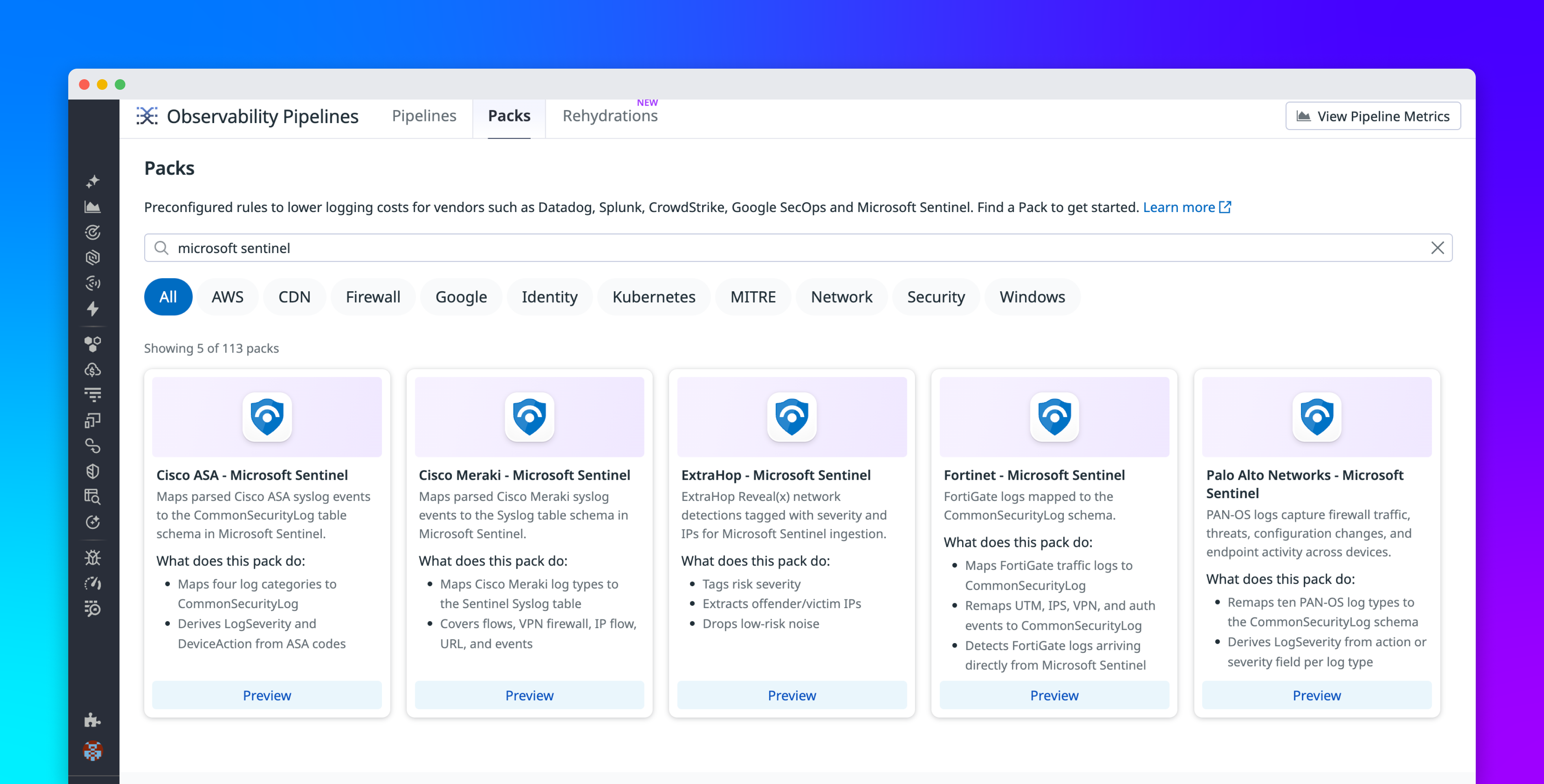
    Datadog Observability Pipelines now ships pre‑built Microsoft Sentinel Packs that map logs from Palo Alto, Fortinet, Cisco ASA, Cisco Meraki, and ExtraHop into Sentinel’s CommonSecurityLog or Syslog tables. Packs handle field extraction, severity derivation, and device‑action mapping, letting you filter or drop low‑value events before ingest, validate mappings with Live Capture, and reduce per‑GB…

    Datadogdatadoghq.com5 min
  4. Article: Your Next DSL Author Is a Language Model

    Typed Domain Grounding (TDG) embeds a DSL inside a mainstream language the LLM already knows (e.g., Kotlin) and uses the host compiler as an oracle. The author describes five building blocks—embedding, choosing a host language with high training‑data frequency, compiler‑driven type safety, a generate‑compile‑repair loop, and an on‑demand teaching tool—and shows measured results from kUML, a Kotli…

    InfoQinfoq.com18 min
  5. Classic Engine Feature EOL: SSR, Desktop SSO, Device Trust

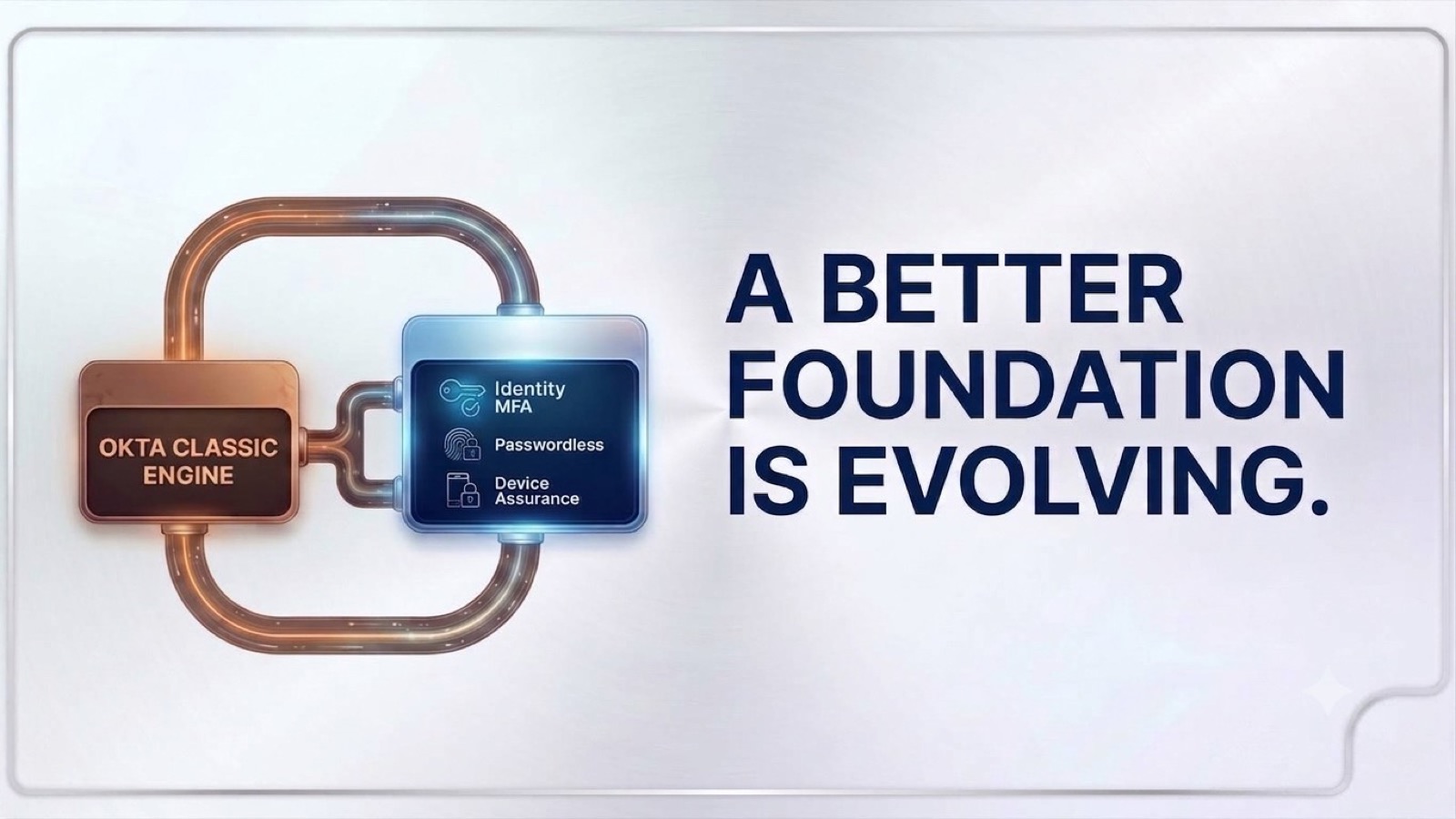
    Okta is ending support for Self-Service Registration, Desktop SSO (IWA), and Device Trust on its Classic Engine by March 5, 2027. Users must migrate to Okta Identity Engine to retain these capabilities and gain access to modern security features like passwordless authentication and device assurance.

    Oktaokta.com4 minrelease
  6. Our framework for reporting model misalignment

    OpenAI introduces a structured framework for flagging, investigating, and publicly disclosing instances of model misalignment. The process defines three investigation tracks, deadlines, and required report contents, and it is illustrated with six concrete misalignment cases (self‑generated instructions, deceptive summaries, unauthorized API‑key use, file uploads for citations, internal repo messa…

    OpenAIopenai.com8 minHN10596