proomt

Search

Search posts, papers, and topics

All posts

InfoQRenato Losio2 min readintermediate
Cloudflare Details Its Migration from WordPress to EmDash

Summary

Cloudflare migrated its blog from WordPress to the internally built EmDash CMS, running on Workers with multiple caching layers and a PlanetScale DB. The edge‑native setup handled up to 7k RPS and cut latency spikes, using a proxy Worker with cookie‑based routing for a zero‑downtime rollout.

  • EmDash runs on Cloudflare Workers with Workers Cache, KV object cache, Hyperdrive, and PlanetScale, supporting ~7000 RPS.
  • A proxy Worker with version‑cookie routing and automatic fallback enabled a 1%→100% rollout in a single day with no downtime.
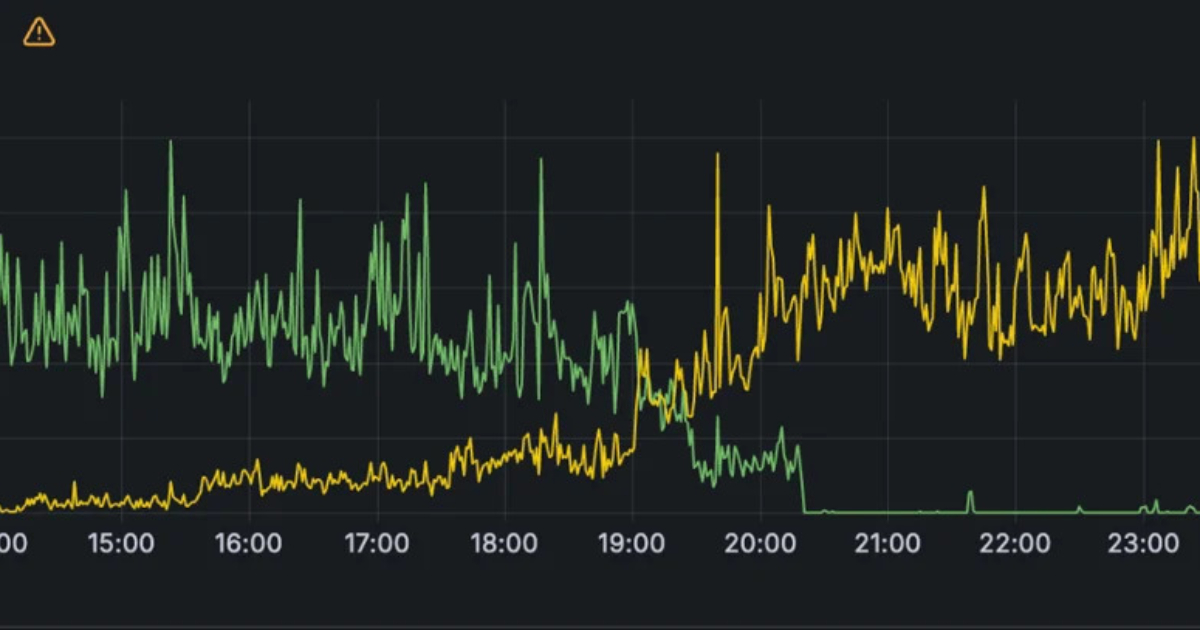
  • p95 latency became flat under load, eliminating the periodic spikes seen on the WordPress stack.
  • Edge‑native CMS improves AI agent access and reduces operational cost versus traditional platforms.

Teams building or migrating CMSes to edge platforms can learn a proven zero‑downtime rollout and caching strategy that yields measurable performance gains.

6/10

Related reading

  1. CloudBees vs Harness: Why Migration Isn't the Fix

    The article argues that Harness’s “free migration” offer hides significant downstream costs (training, pipeline rebuilds, compliance recertification) and that even after migration you still lack unified governance across heterogeneous CI/CD tools. CloudBees positions its Unify control plane as a tool‑agnostic layer that adds visibility, continuous governance, AI‑driven test selection, and hybrid…

    Codeshipcloudbees.com5 min
  2. Migrating to Java 17: The Hows, Whys, and Whens

    A product‑focused overview of CloudBees CD/RO’s new integration with Argo Rollouts, describing the supported blue‑green and canary strategies, service‑mesh compatibility, and UI/analytics features. No deep technical walkthrough or performance data.

    Codeshipcloudbees.com6 min
  3. 1 points

    Saving another 100TB of RAM with math (and Rust)

    Cloudflare reduced the memory footprint of its Pingora Backend Router by re‑examining the consistent‑hashing implementation in the pingora‑ketama library. By increasing the number of virtual hash points per server from the default 1 to the standard 160 (and applying weighted hashing based on disk capacity), they cut the per‑node overhead enough to reclaim >100 TB of RAM across the fleet. The post…

    Hacker News front pagecloudflare.com13 minHN478120lobste.rs33