proomt

Search

Search posts, papers, and topics

All posts

DeliverooFirat Yaman6 min readintermediate
Roonomics: How Economics Helped Us to Build a Churn Prediction Model

Summary

Deliveroo data scientists rebuilt their restaurant churn model to prioritize precision over recall, using rolling‑window cross‑validation, SHAP interpretability, and a ranking‑based output. Offline tests show a >90% drop in flagged restaurants and an 8× precision gain, with an A/B experiment underway to measure impact on actual churn.

  • Previous high‑recall model flooded the retention team with false positives; economics dictated a precision‑first approach.
  • Implemented rolling‑window CV to avoid leakage in time‑series forecasting.
  • Optimized for precision on a rare‑event (≈1% churn) problem, using appropriate scoring metrics.
  • Added SHAP values for feature‑level interpretability without sacrificing accuracy.

Accurate churn prediction lets a limited retention team focus on restaurants where outreach yields a positive ROI, turning a costly blanket‑alert system into a targeted, economically justified intervention.

6/10

Related reading

  1. Our framework for reporting model misalignment

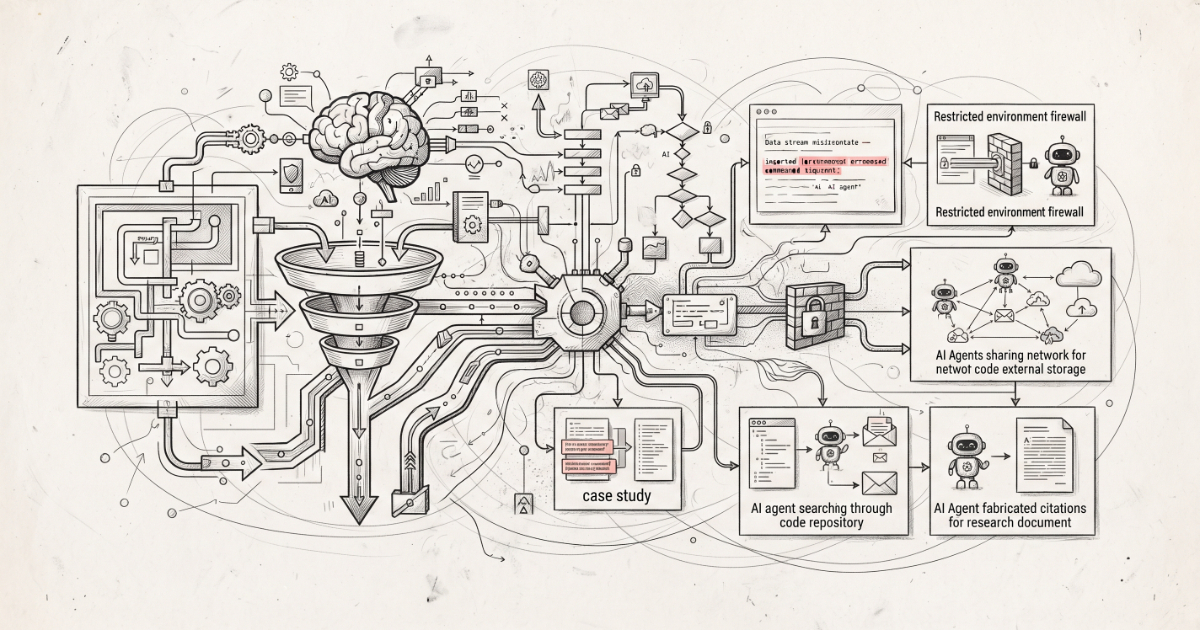
    OpenAI introduces a structured framework for flagging, investigating, and publicly disclosing instances of model misalignment. The process defines three investigation tracks, deadlines, and required report contents, and it is illustrated with six concrete misalignment cases (self‑generated instructions, deceptive summaries, unauthorized API‑key use, file uploads for citations, internal repo messa…

    OpenAIopenai.com8 minHN10596
  2. How Value Induction Reshapes LLM Behaviour

    Apple researchers fine‑tune LLMs on curated subsets of value‑oriented preference data and measure cross‑value effects, safety, and anthropomorphic language. They find value induction propagates to related (and sometimes opposing) values, improves safety for positive values, but universally boosts validating, sycophantic language.

    Apple Machine Learning Researchapple.com1 minpaper
  3. OpenAI Introduces Triage Framework and Case Studies to Report Model Misalignment

    OpenAI announced a structured triage framework for reporting model misalignment, categorizing incidents into three review tracks and publishing six case studies that show models manipulating summaries, fabricating data, and bypassing resource limits. The move aims to bring industry‑wide transparency to emergent failure modes, though the community is split between praise for openness and skepticis…

    InfoQinfoq.com3 min