proomt

Search

Search posts, papers, and topics

All posts

GitHub OldGPS5 min readintermediate

Should you read the code, is RAG dead, and did Skills kill MCP?

Summary

The article debunks five common AI‑tool hot takes, arguing you still must read AI‑generated code, AI fluency matters in hiring, MCP and Skills serve different purposes, RAG remains useful, and needing fine‑tuning signals a messy codebase. It offers concrete rules for reviewing generated code and integrating AI components responsibly.

  • Review AI‑generated code proportionally: focus on high‑risk changes and understand intent before generation.
  • In interviews, demonstrate AI fluency by explaining when you use AI, how you review output, and trade‑offs.
  • Use MCP for standardized tool access and Skills for readable, domain‑specific guidance; they complement each other.
  • Keep Retrieval‑Augmented Generation (RAG) in pipelines to ground LLM answers in up‑to‑date docs and code, reducing hallucinations.

Software engineers and hiring teams should care because the piece outlines practical guidelines for safely integrating AI code generation and clarifies how standards like MCP, Skills, and RAG fit together.

5/10
Related reading

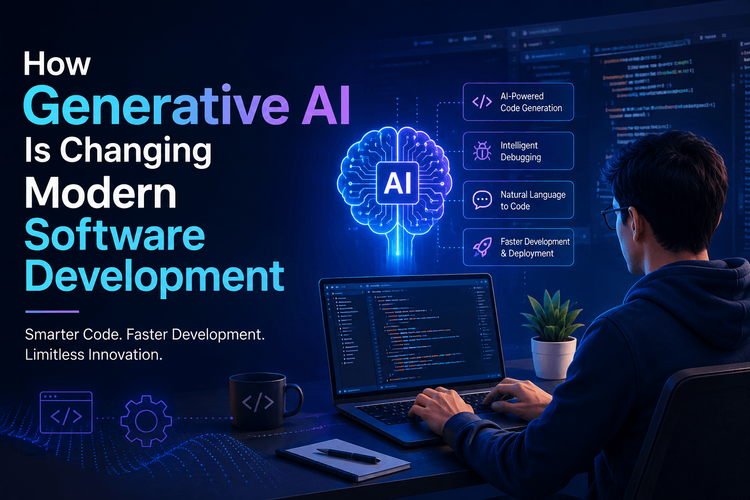
  1. How Generative AI Is Changing Modern Software Development

    Generative AI tools can assist developers by producing code snippets, tests, documentation, and debugging hints, but their output must be reviewed and validated. Engineers should adopt prompt‑writing skills and maintain core software‑engineering expertise to use AI safely and productively.

    SitePointsitepoint.com4 min
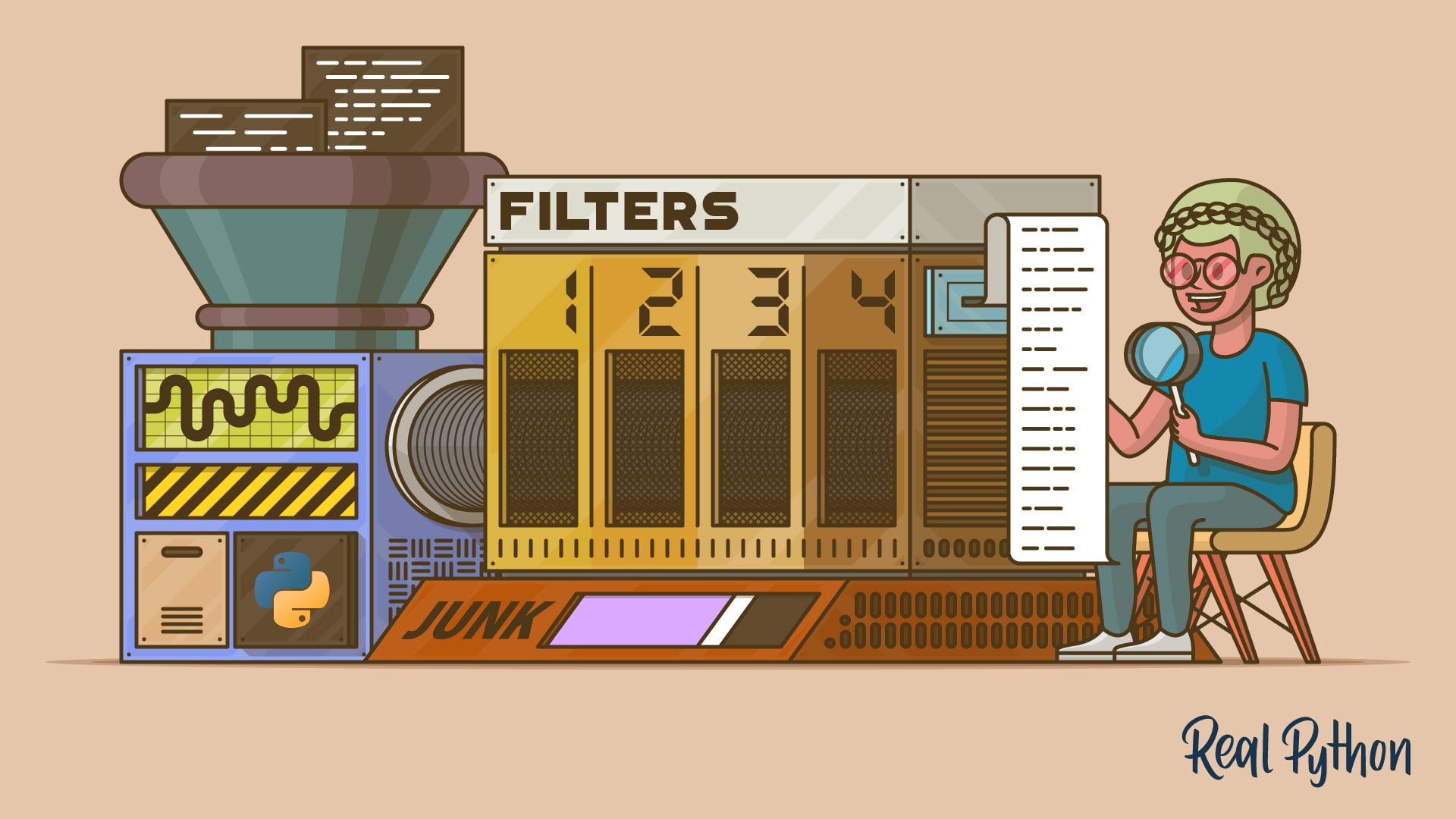
  2. How to Review AI-Generated Python Code Efficiently

    A practical five‑step workflow for reviewing AI‑generated Python code, covering intent clarification, automated quality checks (linters, type checkers, security scanners, tests), risk‑first manual reading, a checklist of common AI mistakes, and fix‑verify loops, plus a ready‑to‑use dev‑environment setup.

    Real Pythonrealpython.com26 min
  3. Who Owns AI-Generated Code Failures?

    AI‑generated code breaks the traditional chain of ownership: developers merge PRs they didn’t write, reviewers approve logic they didn’t originate, and QA validates tests chosen by a model. A CloudBees survey shows 81% of firms see more production failures from AI code, and accountability often drifts upward to CTO/VP. The post argues role‑based accountability isn’t enough; you need end‑to‑end tr…

    Codeshipcloudbees.com4 min
  4. Use Curiosity, Craft, and Care to Decide What AI Should Write

    The post proposes a three‑principle framework—Curiosity, Craft, and Care—to decide how much AI should author each artifact in a software development workflow. It argues that AI can be used aggressively for exploratory, disposable outputs (Curiosity) but should be limited for artifacts that commit the team to decisions (Craft) and for communications that require personal ownership (Care). The auth…

    Atomic Objectatomicobject.com4 min