CodeshipCloudBees Team4 min readintermediate
Who Owns AI-Generated Code Failures?
Summary
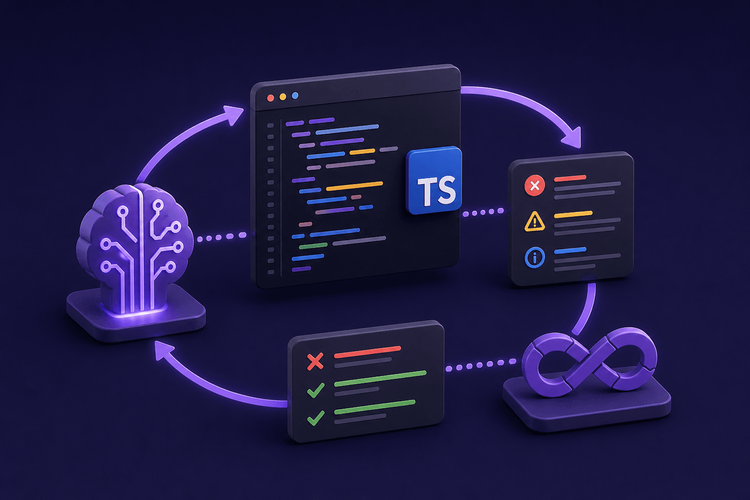
AI‑generated code breaks the traditional chain of ownership: developers merge PRs they didn’t write, reviewers approve logic they didn’t originate, and QA validates tests chosen by a model. A CloudBees survey shows 81% of firms see more production failures from AI code, and accountability often drifts upward to CTO/VP. The post argues role‑based accountability isn’t enough; you need end‑to‑end tr…
- 46% of enterprises say AI‑related failures are owned by the CTO/VP; only 7% hold the shipping developer accountable.
- 81% report an increase in production failures tied to AI‑generated code; 93% have a formal review process but only 56% follow it consistently.
- Traditional role‑based accountability fails because the model’s reasoning isn’t captured, leaving no clear author of the change.
- Fragmented toolchains (CI, code review, test dashboards, deployment logs) prevent visibility into cross‑stage interactions that cause failures.
As AI‑assisted development scales, the lack of a single source of truth for why code was written, reviewed, or tested makes root‑cause analysis costly and slows remediation. Without traceability, organizations risk repeated failures and unclear liability.
4/10