proomt

Search

Search posts, papers, and topics

All posts

Codeship6 min readintermediate

The Real Cost of a Homegrown Feature Flag System

Summary

Home‑grown feature flag systems look cheap until maintenance, governance, and scaling costs explode, especially as AI‑accelerated development creates more flags faster. Buying a managed solution offloads engineering effort, adds audit trails, and scales with multiple teams.

  • Flag provisioning and cleanup consume engineer time (30‑60 min per flag) that could be spent on product work.
  • Lack of built‑in access control and audit trails creates compliance risk (e.g., SOC 2) as teams grow.
  • Scaling issues arise when multiple teams need different rollout patterns; home‑grown tools become bottlenecks.
  • AI‑assisted development accelerates flag creation, increasing maintenance and audit pressure.

Engineering leaders and product managers should know when the hidden costs of a custom flag system outweigh its low upfront price, especially in fast‑moving, regulated environments.

6/10
Related reading

  1. When should you replace a homegrown feature flag system?

    Homegrown feature flag implementations work for small teams but quickly lack ownership, auditability, and stakeholder access as they scale. When flag count, team size, incidents, or compliance audits make these gaps costly, switch to a purpose‑built feature management platform.

    Codeshipcloudbees.com5 min
  2. DoorDash Uses Multi Agent LLMs to Clean up 60,000 Feature Flags

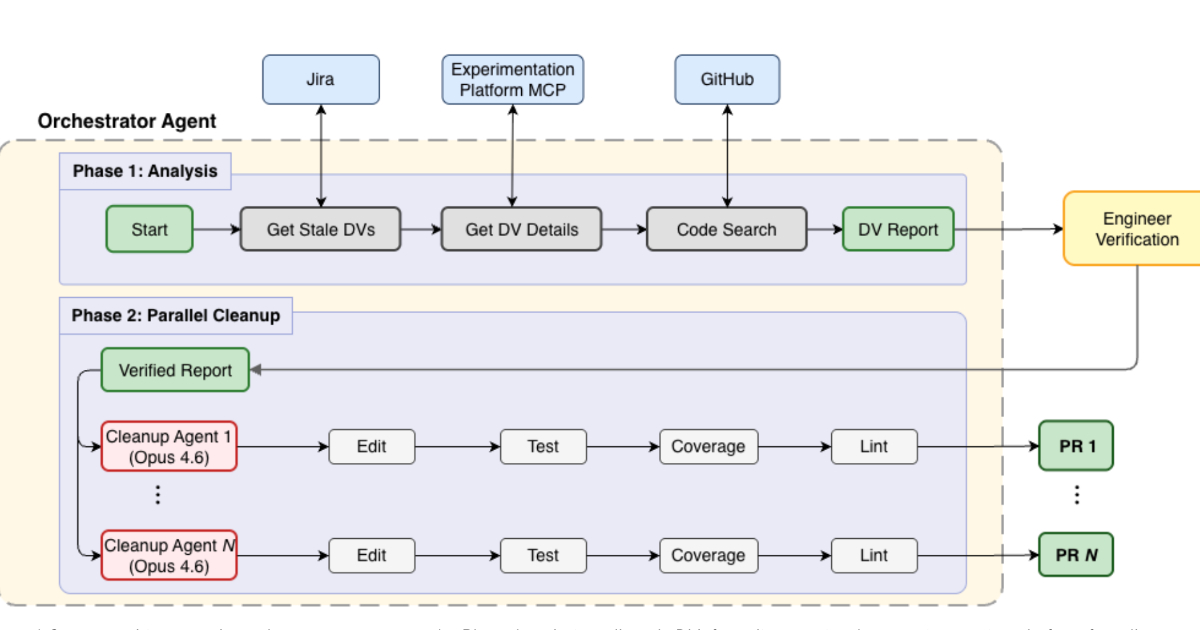
    DoorDash built a two‑phase, multi‑agent LLM system (Claude Sonnet orchestrator + Claude Opus cleanup agents) that automatically removes stale feature flags from 623 repos. In a 50‑flag pilot it generated usable PRs for 45 flags at ~14 min and $4.79 each, with 100 % success on simple flags and no regressions.

    InfoQinfoq.com2 min
  3. Manage Cursor costs with Datadog Cloud Cost Management

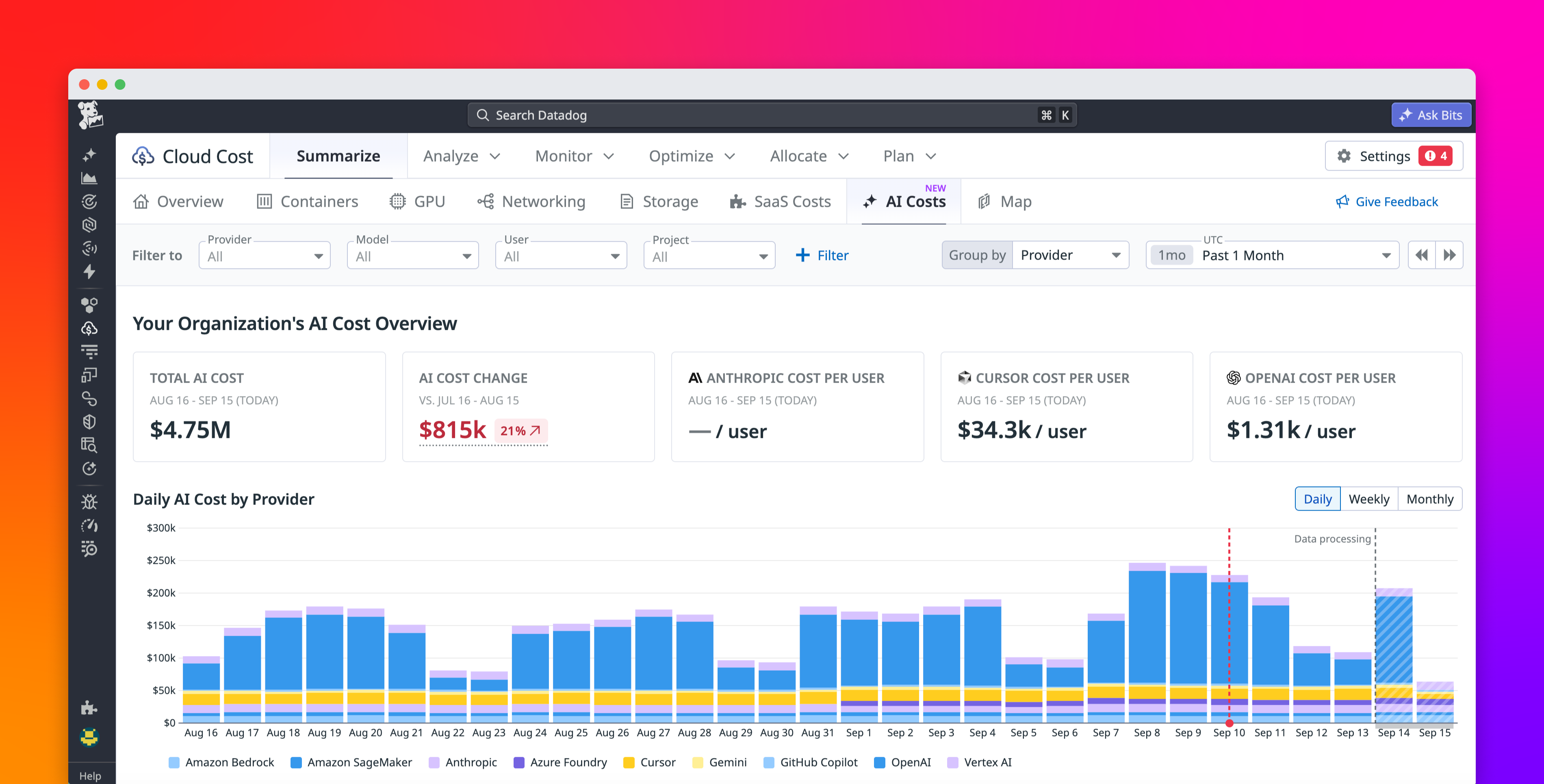
    Datadog Cloud Cost Management now integrates Cursor AI‑coding usage, exposing per‑user, per‑model, and mode breakdowns, out‑of‑the‑box dashboards, anomaly detection, and budget/monitoring tools so FinOps can track and control AI coding spend alongside other cloud and SaaS costs.

    Datadogdatadoghq.com5 min
  4. Modernizing the Trade Lifecycle With Governed Data and AI

    Databricks argues that modernizing the trade lifecycle now hinges on building a governed, real‑time data foundation that spans research, trading, risk, ops and compliance, rather than isolated AI pilots. Starting with a few high‑value questions—execution cost, shock risk, exception rates—and using Unity Catalog and Agent Bricks lets firms achieve measurable speed and auditability gains before sca…

    Databricksdatabricks.com5 min
  5. The Shadow Factory: Why Your CI/CD Sprawl is About to Move Faster Than You Can Think

    The article warns that unchecked CI/CD sprawl— orphaned pipelines, hard‑coded secrets, and permissive runners— creates a hidden attack surface, and that AI‑driven agents will amplify the problem. It recommends a governance layer with real‑time inventory, policy‑as‑code, and AI guardrails to bring the software factory under the same security rigor as production.

    Codeshipcloudbees.com3 min