proomt

Search

Search posts, papers, and topics

All posts

NvidiaIsha Salian4 min readintermediate
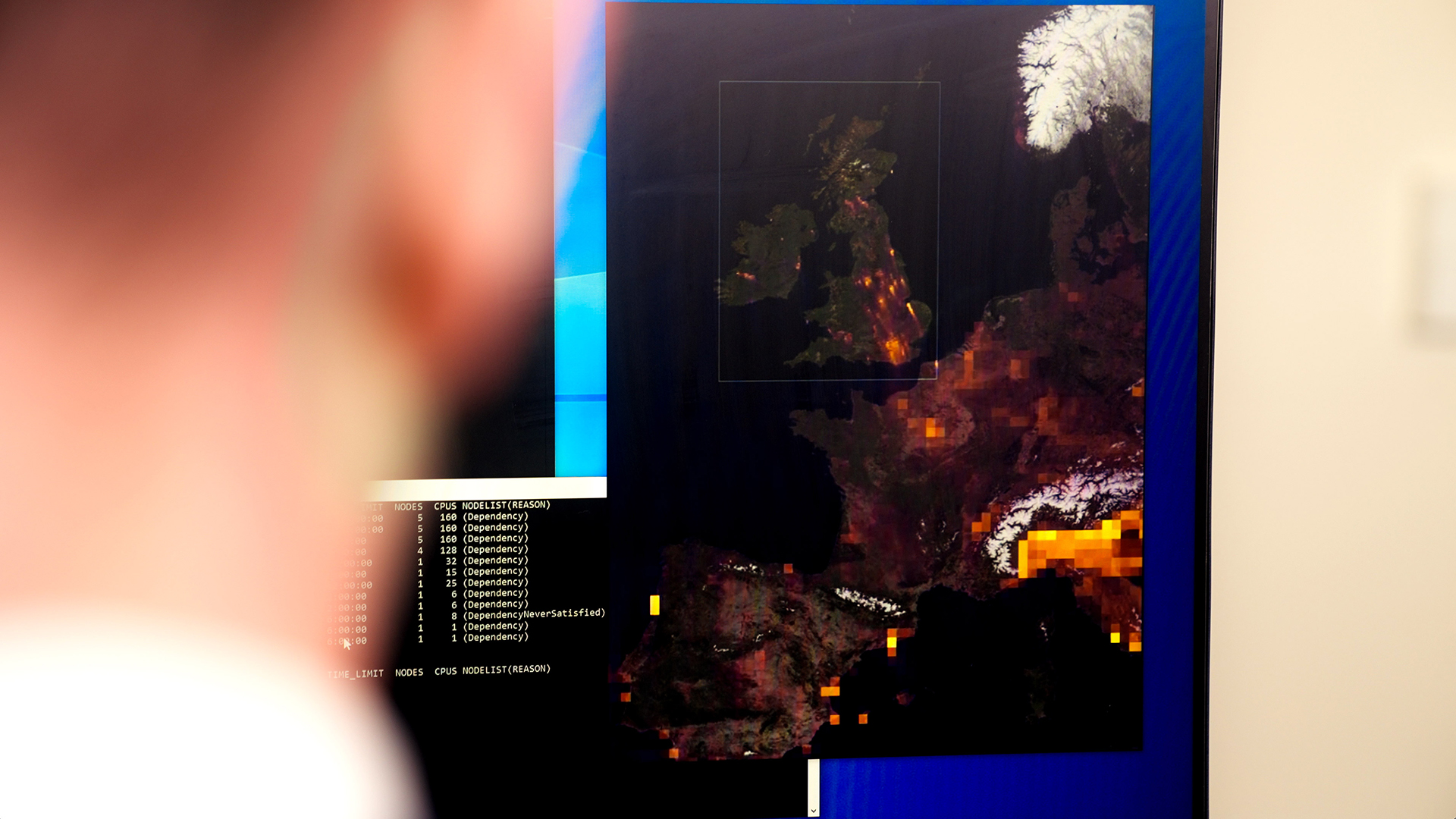
University of Manchester Uses NVIDIA Earth-2 to Forecast Air Pollution Across the UK

Summary

University of Manchester used NVIDIA Earth‑2 CorrDiff and StormCast generative models to downscale UK‑wide air‑pollution simulations. Training on the Isambard‑AI supercomputer (5,448 GH200 chips, 21 EFLOPS) took two days on an eight‑GPU node, producing a 2‑3 km resolution model. Inference runs on a desktop‑class DGX Spark, enabling rapid scenario forecasting and potential real‑time health alerts.…

  • Generative downscaling (Earth‑2 CorrDiff) can replace expensive chemistry‑heavy weather models for air‑quality forecasting.
  • Training on a national AI supercomputer (Isambard‑AI) took ~2 days for a year‑long, hourly UK dataset at 2‑3 km resolution.
  • Inference can be performed on a single DGX Spark workstation, democratizing access to high‑resolution pollution forecasts.
  • The team plans to release training data and workflows, aiming for global reproducibility and fine‑grained (street‑level) forecasts.

High‑resolution, fast‑turnaround air‑quality forecasts can inform public‑health interventions and policy decisions, especially as traditional chemistry‑based models are computationally prohibitive for frequent, fine‑grained runs.

5/10
Related reading

  1. Saving Jet Fuel

    A step‑by‑step tutorial showing how to use the open‑source scikit‑decide framework together with the OpenAP aircraft performance model to compute fuel‑optimal flight trajectories. The post details the author’s high‑end workstation, installs Python 3.12, scikit‑decide, OpenAP, and DuckDB with several extensions, then explores OpenAP’s aircraft data (e.g., A380‑800 specs and drag polar) and demonst…

    Hacker News front pagemarksblogg.com26 minHN13876
  2. 5 Companies Using NVIDIA AI for Clean Energy

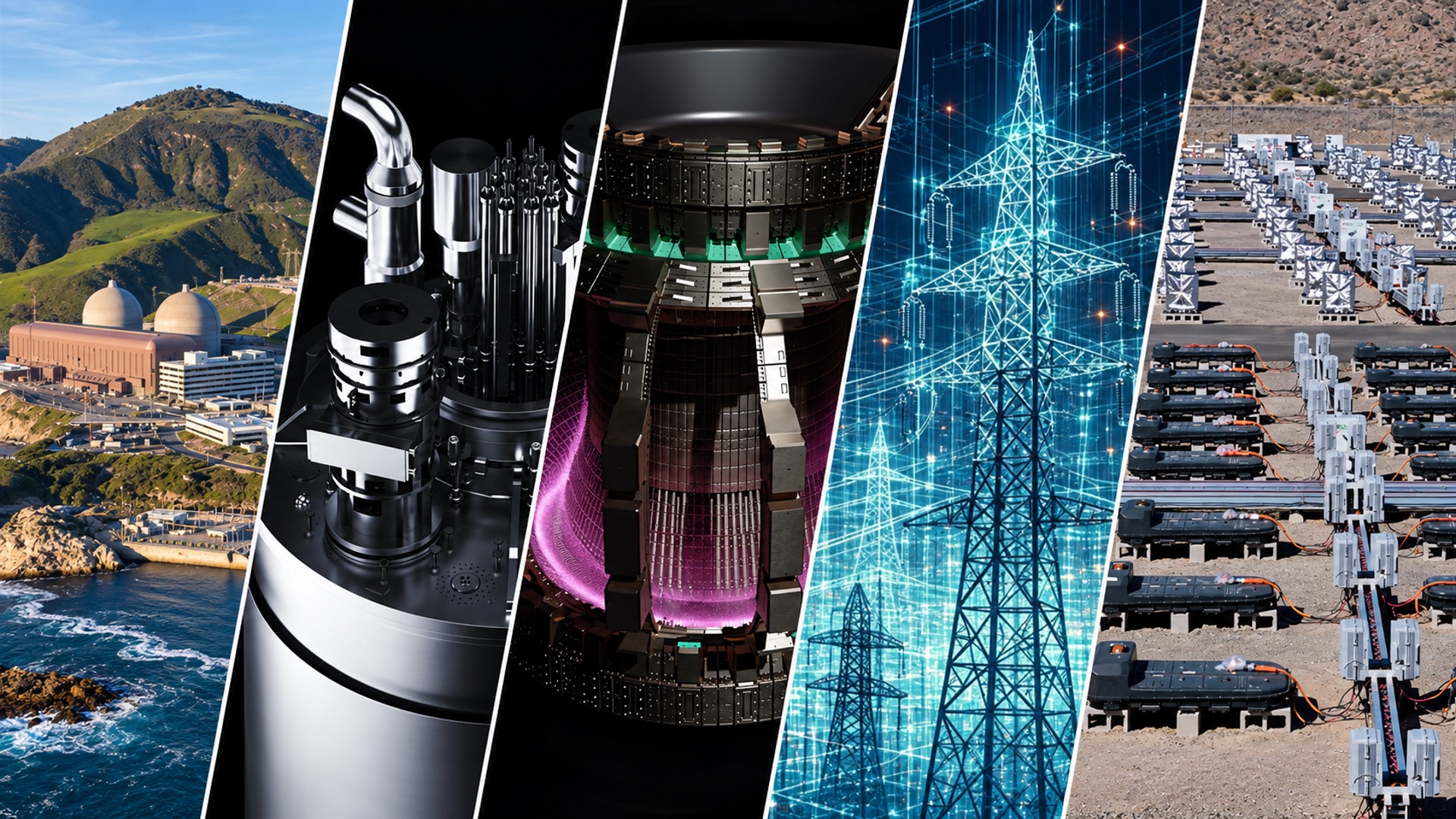
    Nvidia’s blog spotlights five companies that are using Nvidia AI platforms to accelerate clean‑energy projects—from grid interconnection and nuclear plant operations to off‑grid AI data‑center power, advanced reactors, and fusion tokamaks. The article is a marketing summary and provides few technical details.

    Nvidianvidia.com4 min
  3. NVIDIA Vera Rubin NVL72 Delivers Leading Performance in MLPerf Inference v6.1 Debut

    NVIDIA’s Vera Rubin NVL72 AI inference system shows up to 3.7× higher throughput than the prior GB300 NVL72 on MLPerf v6.1 benchmarks (Qwen3‑VL, DeepSeek‑R1), achieves 99% scaling efficiency across 288 GPUs, and benefits from software optimizations (NVFP4 precision, kernel fusion, disaggregated serving). The post is a product announcement with concrete benchmark numbers but limited technical dept…

    Nvidianvidia.com4 min
  4. Why Deploying Physical AI at Scale Demands Safety at Every Layer

    NVIDIA’s Halos platform is a full‑stack safety system for physical AI (autonomous vehicles and industrial robots). It bundles safety‑engineered hardware (DRIVE AGX Thor, IGX Thor), an ASIL‑D certified OS (Halos OS), middleware for isolation and monitoring, AI models for explainability (Alpamayo), and simulation/validation tools (Isaac Lab, Omniverse). The blog argues that scaling physical AI requ…

    Nvidianvidia.com5 min
  5. From Megawatts to Tokens: How NVIDIA Maximizes AI Factory Production

    NVIDIA’s DSX platform lets AI data‑centers shift workloads in response to grid signals, squeezing ~24% more token throughput (4 M→5 M tps) and ~23% better performance‑per‑watt on a fixed megawatt budget. The first production demo used Emerald AI’s Conductor to drop a 4 MW load to 3 MW in under a minute without interrupting high‑priority jobs. DSX MaxLPS reallocates headroom across HGX B200 server…

    Nvidianvidia.com5 min