proomt

Search

Search posts, papers, and topics

All posts

Nordic APIsKristopher Sandoval8 min readintermediate
Why Developer Portals Must Evolve in the AI Agent Age

Summary

Developer portals must add machine‑readable, semantically rich metadata (e.g. MCP, structured endpoint descriptions, workflow docs) so AI agents can discover and invoke APIs at runtime, while still supporting human developers. The portal becomes a governed capability registry rather than just a docs site.

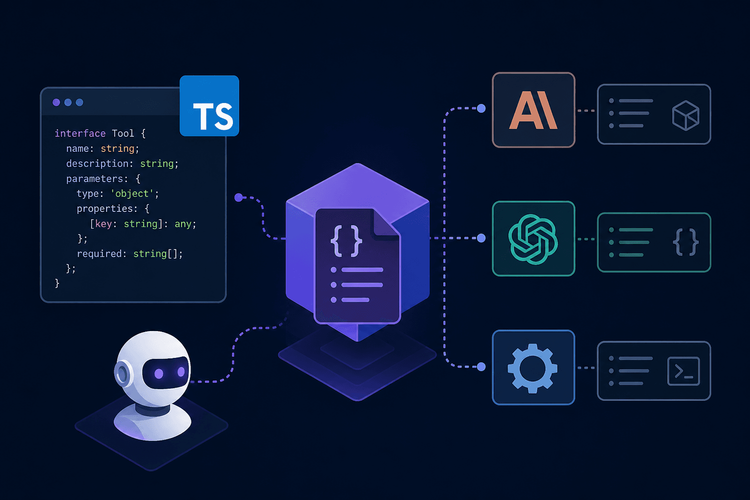
  • Traditional portals assume human users; AI agents need structured, hypermedia‑rich descriptions.
  • Every endpoint should expose a semantic description usable by agents (e.g. via MCP).
  • Document end‑to‑end workflows and call sequencing to enable agents to compose multi‑API tasks.
  • Maintain human‑focused features (sandbox, key management, analytics, governance) alongside the new machine‑readable layer.

As AI agents outnumber human developers in API consumption, missing machine‑readable metadata will block automation, increase integration friction, and force teams to build ad‑hoc solutions.

5/10

Related reading

  1. Building an Internal Developer Platform with Artificial Intelligence

    This article discusses building internal developer platforms with AI agents that use semantic search across internal data sources like Git, Slack, and Jira. It highlights the need for guardrails to control agent actions and comprehensive observability via logs, metrics, and traces to understand agent behavior and improve developer experience.

    InfoQinfoq.com4 min
  2. Presentation: Context Engineering at LinkedIn: How We Built an Organizational Context Layer for AI Agents with MCP

    LinkedIn built a “Contextual Agent Playbooks and Tools” layer that wraps internal services (code search, docs, feature flags, etc.) behind the open‑source Model Context Protocol (MCP). By feeding LLM‑powered coding agents the exact internal artifacts they need, the agents can diagnose incidents, generate PRs, and update incident tickets in minutes, delivering a reported 20 % productivity gain wit…

    InfoQinfoq.com28 mintalk
  3. AI Skills with Matt Pocock

    Matt Pocock explains how he uses AI agents for software development, emphasizing "strategic programming" and guiding agents with "leading words" from classic engineering texts. He argues that this approach makes engineering fundamentals more critical than ever for creating agent-optimized codebases.

    The Pragmatic Engineerpragmaticengineer.com7 min
  4. Aperture GA: Building a home(lab) for agentic AI

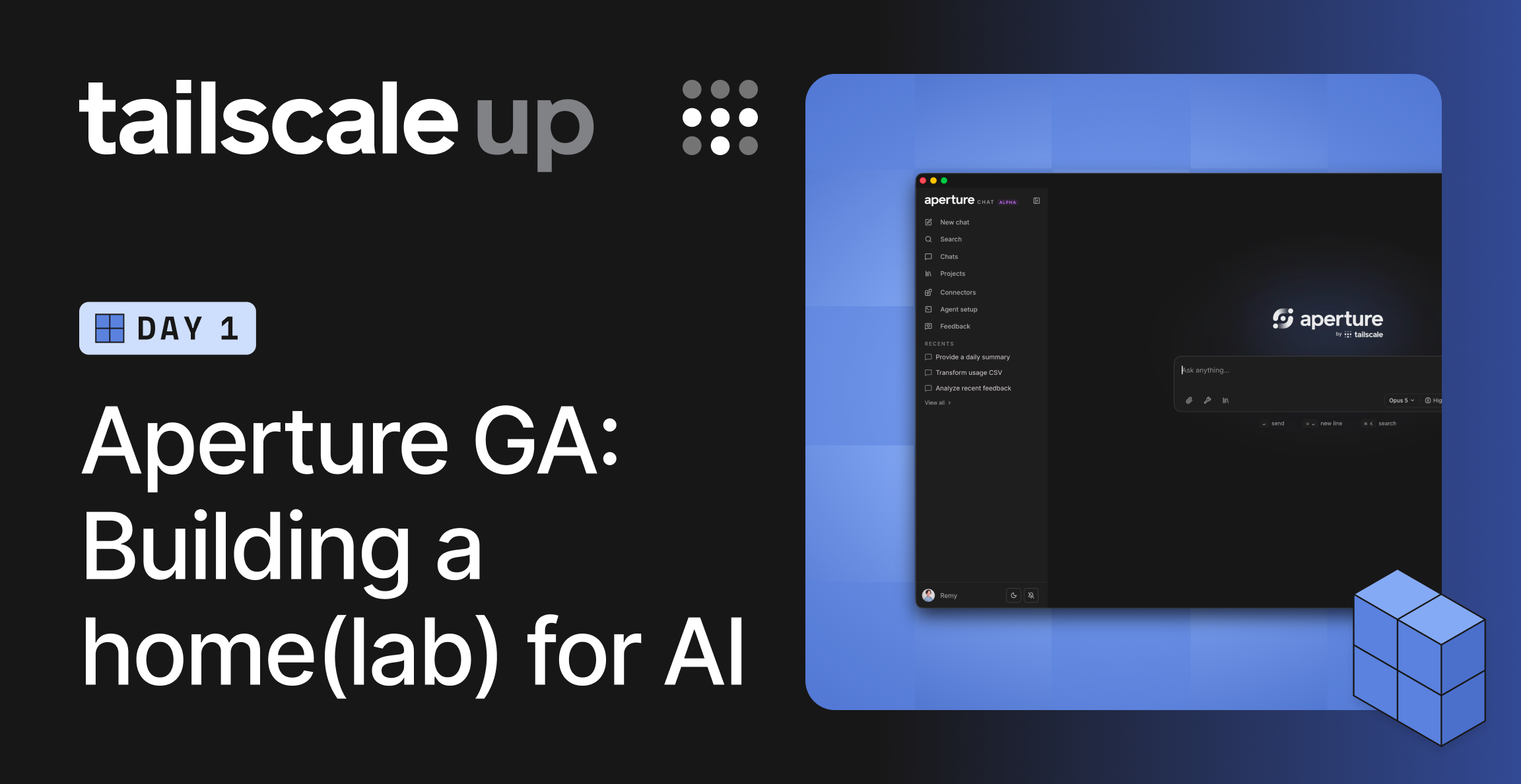
    Aperture, Tailscale’s AI gateway, is now generally available. It ships with starter tokens, in‑app token purchases, new Model Context Protocol (MCP) endpoints for adding Tailnet nodes and invoking Tailscale SSH, and an upgraded chat UI that supports Projects (shared context, tool access, node groups) and configurable default tool permissions. All agent actions respect Tailscale’s unidirectional A…

    Tailscaletailscale.com4 minreleaseHN41
  5. Cloudflare Introduces the Agent Development Lifecycle to Replace Traditional SDLC

    Cloudflare’s Agent Development Lifecycle (ADLC) replaces the classic SDLC with an autonomous, event‑driven workflow system that lets AI agents handle code generation, testing, deployment, and maintenance. The platform builds on Cloudflare Workflows and the new @cloudflare/ci library to spin up containers, run headless browsers, and chain steps with caching and credential support. Observability is…

    InfoQinfoq.com2 min