1

Learning Programming in an Age of LLMs
Mark Seemann reflects on learning to program in the era of LLMs, sharing personal history, doubts about AI‑driven development, and advice to focus on fundamentals and ask verifiable questions of models.
Search posts, papers, and topics
Mark Seemann reflects on learning to program in the era of LLMs, sharing personal history, doubts about AI‑driven development, and advice to focus on fundamentals and ask verifiable questions of models.
Google Research demonstrates a generative‑UI system that lets teachers author interactive, game‑style learning modules. The pipeline uses pedagogical guardrails, iterative self‑correcting loops (including automated solvability checks), and teacher vetting. A pilot library of 30+ STEM interactives is publicly available, and early teacher studies report good‑to‑excellent ratings.
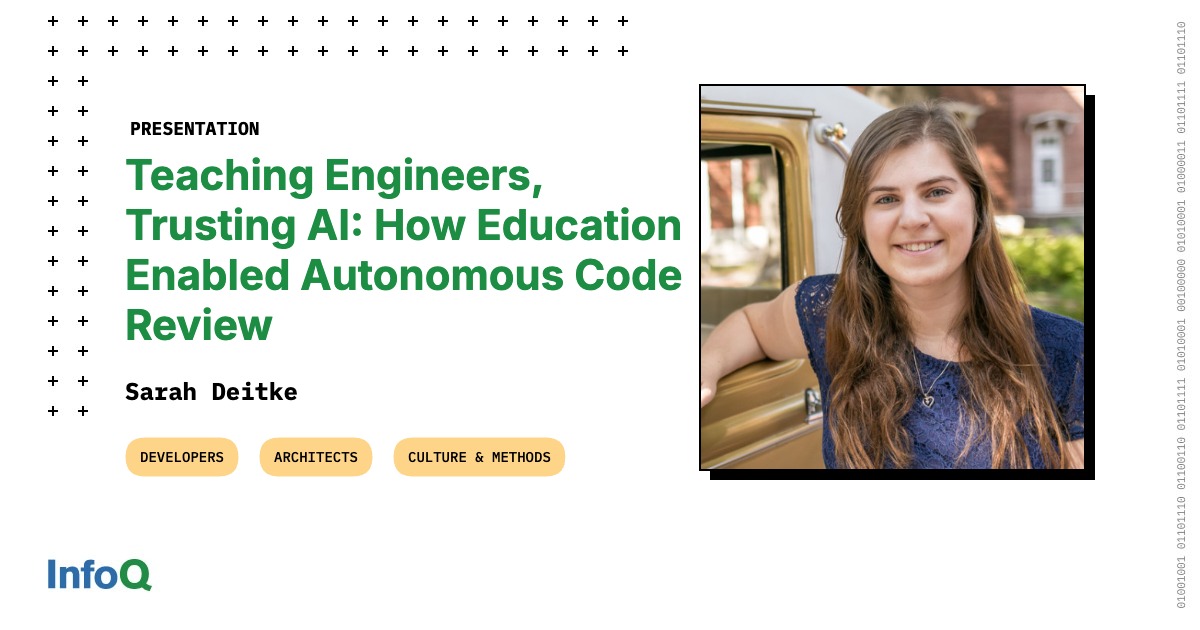
Duolingo’s DevEx AI team built a program of AI‑literacy workshops, observability dashboards, office‑hours, and vendor partnerships to get engineers comfortable with LLM‑based tools. With that foundation they launched a PR‑risk‑assessment bot that auto‑approves low‑risk pull requests, cutting review bottlenecks while keeping defect rates flat.
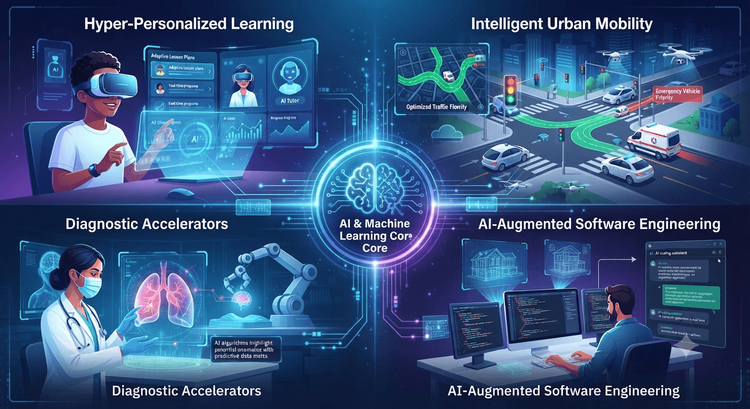
A high‑level, marketing‑style overview of how AI is being applied to education, traffic management, healthcare, and software development. The piece offers broad claims and a few illustrative snippets but lacks concrete data, code depth, or actionable engineering insights.
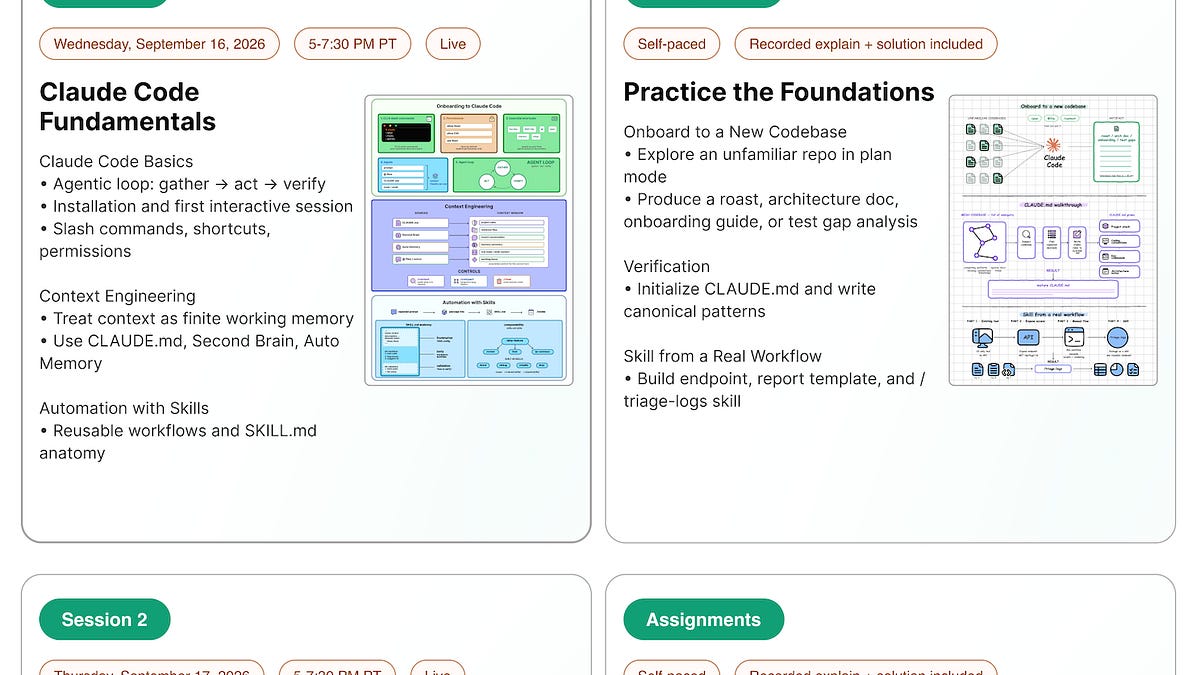
ByteByteGo is reopening a 2‑day intensive course on Claude Code, with enrollment closing in 24 hours. The course promises to teach agentic loops, context engineering, and production workflows.
The piece compares generative AI to a powerful laser cutter, highlighting an "ignorance problem" where users lack awareness of risks. It suggests three mitigation paths—labeling, education, and social pressure—each with distinct trade‑offs.
A SurveyMonkey poll of U.S. adults shows college students mainly make friends in classes, with dorms crucial for on‑campus residents, while Gen Z and Millennials feel less sociable and more lonely than older cohorts. Over half of respondents believe AI usage has degraded face‑to‑face communication skills.