proomt

Search

Search posts, papers, and topics

All posts

Hacker News front pageTim Dettmers17 min readintermediate

Frontier AI on Your Own Hardware

Summary

Tim Dettmers’ lab releases an open‑source stack that lets a single‑GPU desktop run 125‑B‑parameter LLMs (Qwen 3.8 Flash Next) and even a 550‑B model (DeepSeek V4.1) with 1.5‑bit quantisation, 450 t/s token throughput, and an auto‑compaction system (CliffCompaction) that halves inference cost and enables multi‑million‑token agent sessions. The stack combines an agent harness, a fast inference fram…

  • Quantised inference at 1.5 bits/weight reduces memory ~10×, enabling 125 B‑parameter models on a 24 GB GPU and 550 B models on a high‑end laptop.
  • The agent harness can autonomously optimise CUDA/Metal kernels, run long‑duration research tasks, and generate research artefacts (e.g., new heuristics) in a few hours.
  • CliffCompaction auto‑compaction cuts total AI spend by ~45‑50 % while supporting sessions of hundreds of millions of tokens, improving both cost and continuity of agent reasoning.
  • The authors argue that research output is shifting from isolated papers to interoperable ecosystems that lower the expertise barrier for end‑users.

If the claims hold, small academic labs could run frontier‑scale LLMs and autonomous research agents without multi‑GPU clusters, democratizing access to cutting‑edge AI and potentially reshaping how AI research is conducted and taught.

5/10
Related reading

  1. NVIDIA Vera Rubin NVL72 Delivers Leading Performance in MLPerf Inference v6.1 Debut

    NVIDIA’s Vera Rubin NVL72 AI inference system shows up to 3.7× higher throughput than the prior GB300 NVL72 on MLPerf v6.1 benchmarks (Qwen3‑VL, DeepSeek‑R1), achieves 99% scaling efficiency across 288 GPUs, and benefits from software optimizations (NVFP4 precision, kernel fusion, disaggregated serving). The post is a product announcement with concrete benchmark numbers but limited technical dept…

    Nvidianvidia.com4 min
  2. M5 Ultra Mac Studio Review

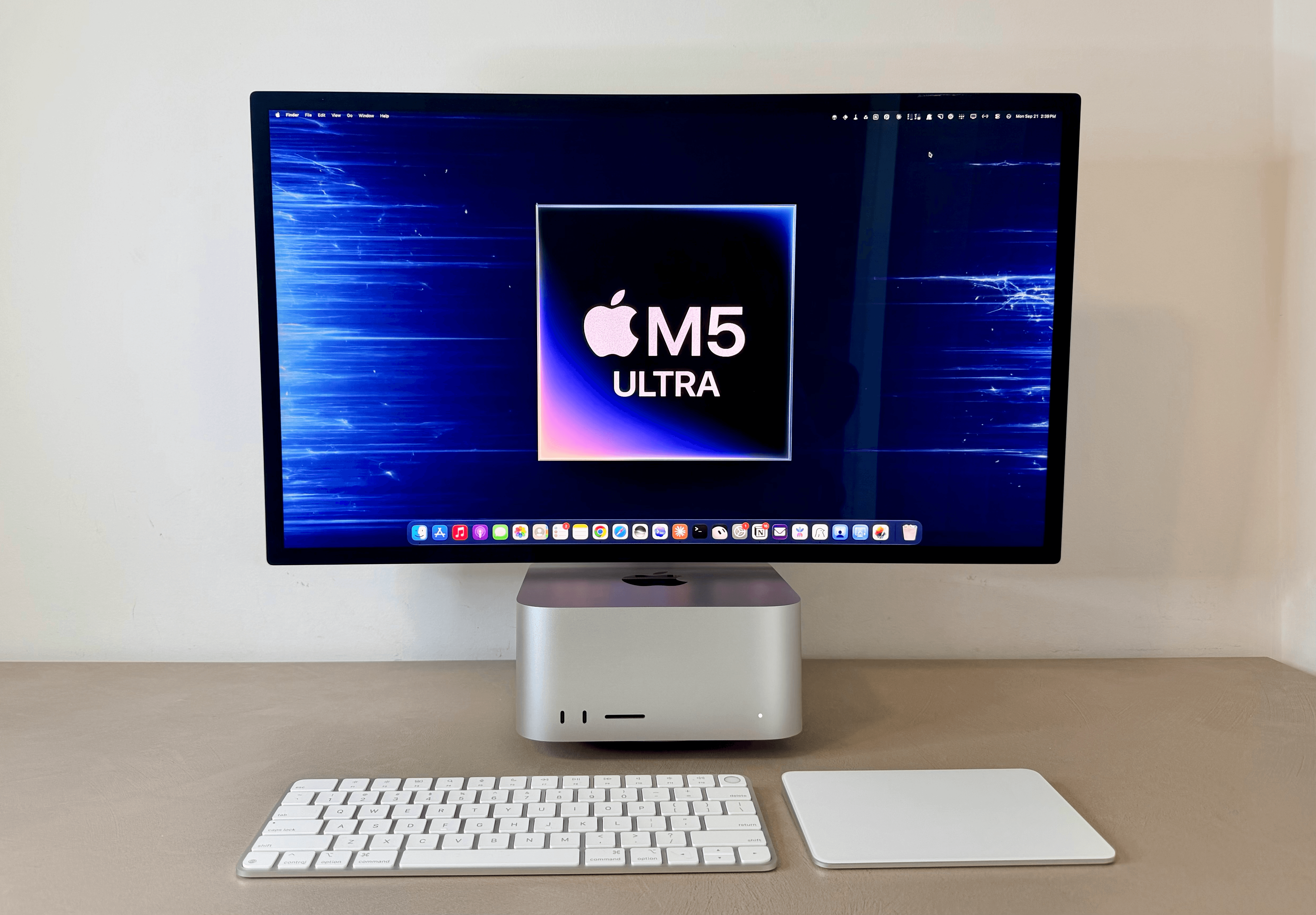
    The M5 Ultra Mac Studio (256 GB RAM) uses a quad‑die M5 Max architecture with an 80‑core GPU and 1.2 TB/s memory bandwidth, delivering ~70 % faster prompt‑to‑first‑token and token‑generation rates than the M3 Ultra. In the author’s tests Qwen3.8‑Flash‑Next hits 100 tokens/s on short prompts and 60‑85 tokens/s with 64‑256 KB context, making local AI agents (Open Minis, Hermes, Codex) feel snappy a…

    Hacker News front pagemacstories.net39 minHN234235
  3. From Megawatts to Tokens: How NVIDIA Maximizes AI Factory Production

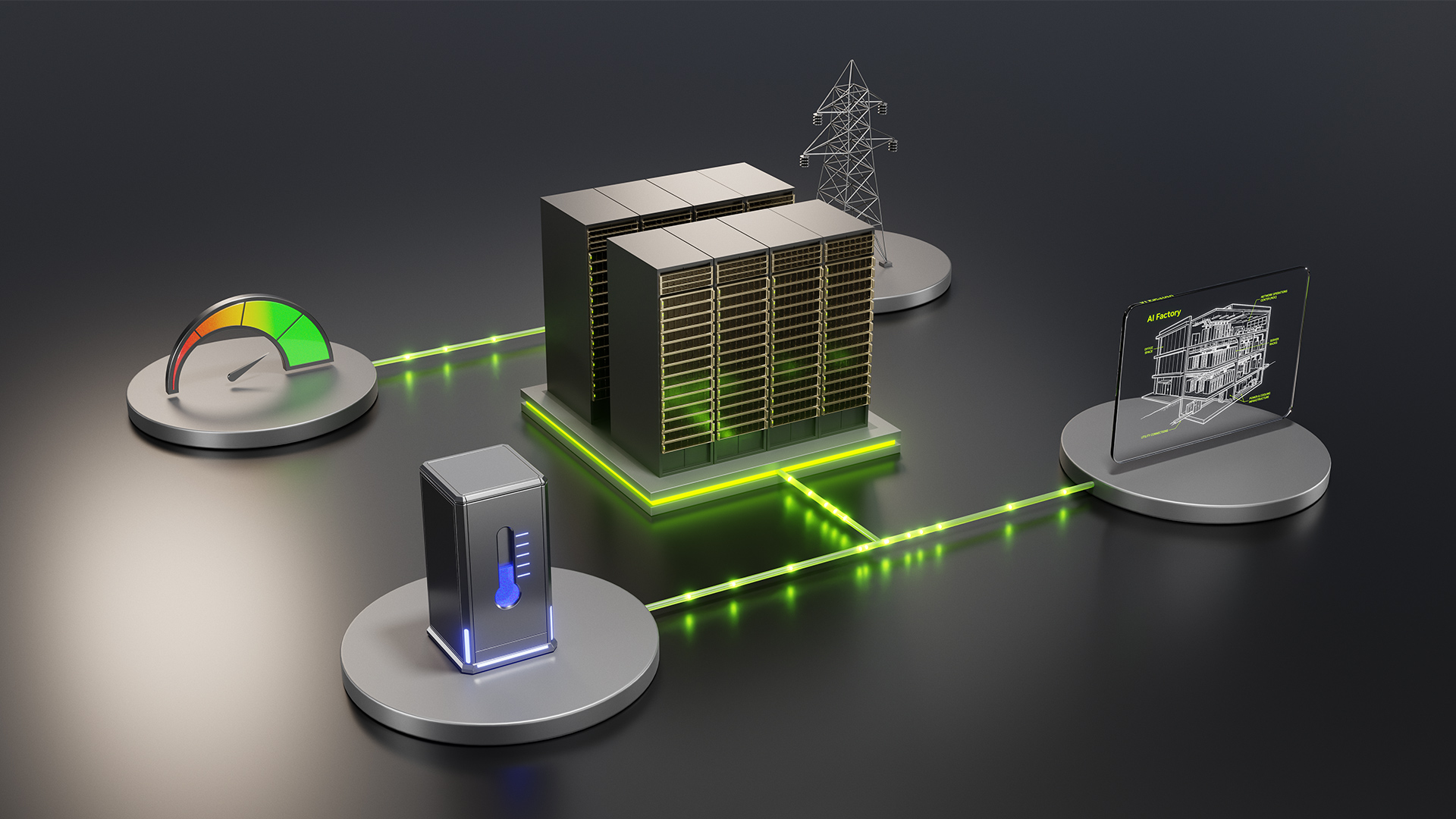
    NVIDIA’s DSX platform lets AI data‑centers shift workloads in response to grid signals, squeezing ~24% more token throughput (4 M→5 M tps) and ~23% better performance‑per‑watt on a fixed megawatt budget. The first production demo used Emerald AI’s Conductor to drop a 4 MW load to 3 MW in under a minute without interrupting high‑priority jobs. DSX MaxLPS reallocates headroom across HGX B200 server…

    Nvidianvidia.com5 min
  4. Emergence World: Adversarial Stress-Testing of Long-Horizon Multi-Agent Systems

    Emergence World is a continuously running multi‑agent sandbox used to stress‑test frontier LLM‑based agents over weeks. Eight parallel worlds (seven homogeneous, one mixed) generated 850 k LLM calls and ~50 B tokens while agents pursued goals, used tools, and maintained persistent memory. The authors injected three adversarial events—prompt injection, misinformation, and private‑memory exposure—a…

    Hugging Face Daily Papersarxiv.org1 minpaper
  5. Agent Substrate brings high-density, scalable, trusted infrastructure to GKE

    Agent Substrate is an open‑source runtime for AI agents that runs on GKE. It uses Cloud Hypervisor microVMs or gVisor sandboxes to give kernel‑level isolation, a custom control‑ and data‑plane that can suspend/resume agents in <500 ms, and a “zero‑idle” model that packs >1 000 dormant agents per host (≈10× density vs. containers). GKE integration adds custom ComputeClasses, spot/on‑demand pools,…

    Google Cloud Bloggoogle.com6 min