proomt

Search

Search posts, papers, and topics

All posts

Hacker News front pagexAI2 min readrelease notesintro
Grok 4.7

Summary

xAI announced Grok 4.7, a new LLM for coding and knowledge work. The post claims it’s twice as fast and half the price of comparable models, and shows a CursorBench 4.0 chart with a 46.3 % “Extra High” score at $6.01 average cost per task. No architecture details, training data, or engineering rationale are provided.

  • Marketing‑focused announcement with no technical depth.
  • Only quantitative claim is a benchmark chart (CursorBench 4.0) comparing score vs. cost against a handful of competitors.
  • No discussion of model size, architecture changes, training methodology, or safety mechanisms beyond vague “best‑calibrated safeguards”.

For engineers evaluating LLM options, the post offers a superficial performance snapshot but lacks the concrete information needed to assess trade‑offs, integration effort, or cost modeling beyond a single benchmark.

3/10
Related reading

  1. Manage Cursor costs with Datadog Cloud Cost Management

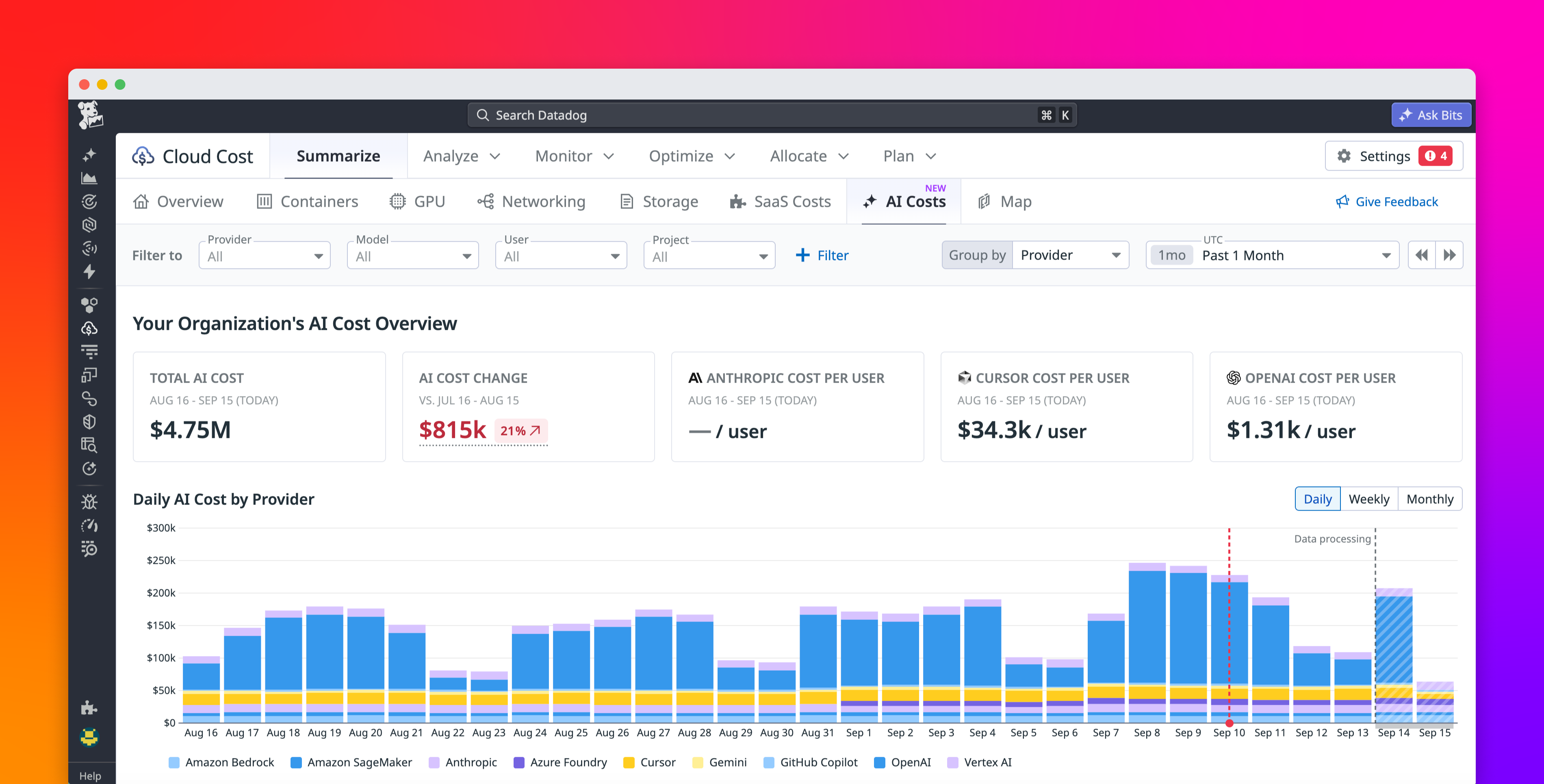
    Datadog Cloud Cost Management now integrates Cursor AI‑coding usage, exposing per‑user, per‑model, and mode breakdowns, out‑of‑the‑box dashboards, anomaly detection, and budget/monitoring tools so FinOps can track and control AI coding spend alongside other cloud and SaaS costs.

    Datadogdatadoghq.com5 min
  2. M5 Ultra Mac Studio Review

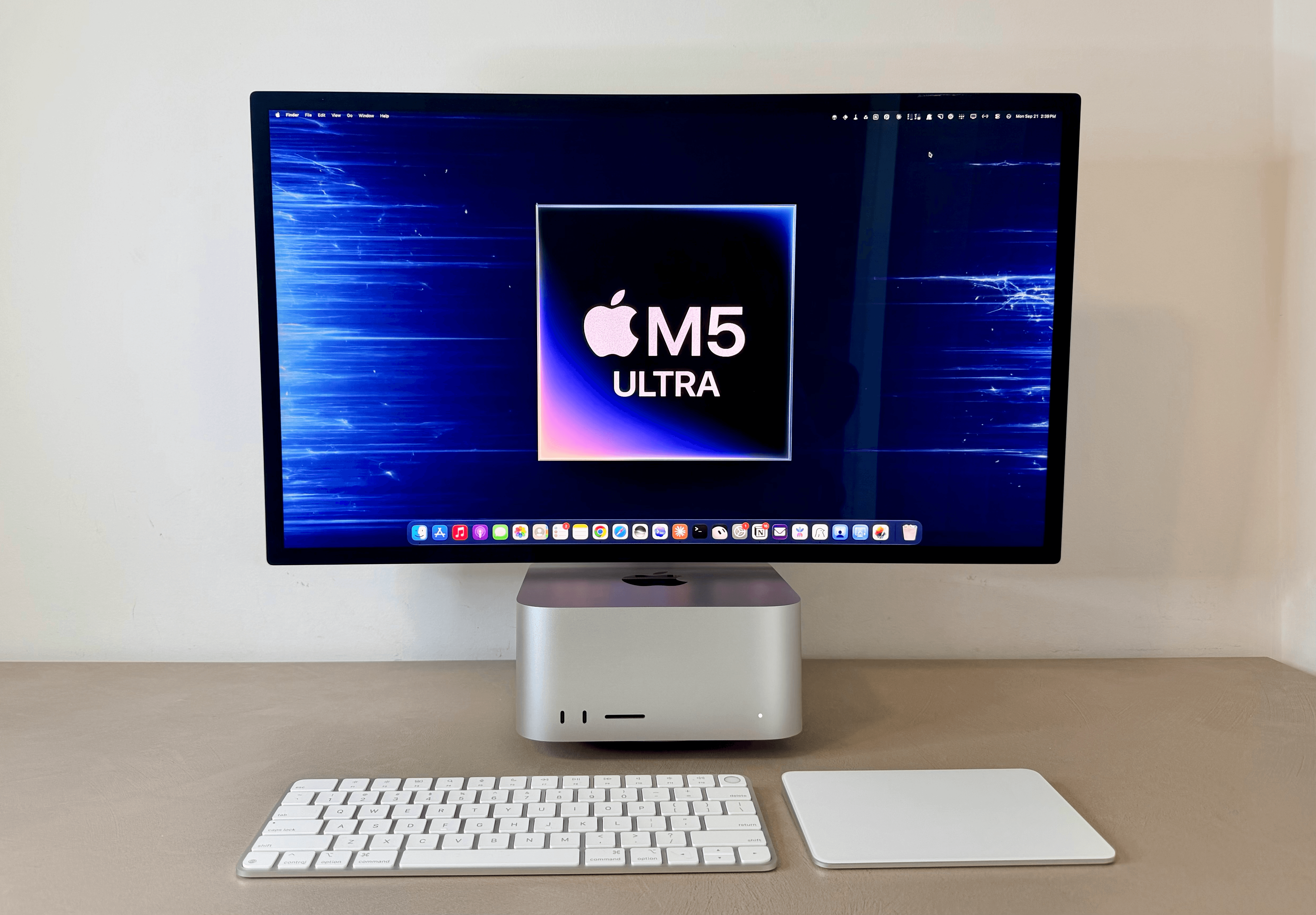
    The M5 Ultra Mac Studio (256 GB RAM) uses a quad‑die M5 Max architecture with an 80‑core GPU and 1.2 TB/s memory bandwidth, delivering ~70 % faster prompt‑to‑first‑token and token‑generation rates than the M3 Ultra. In the author’s tests Qwen3.8‑Flash‑Next hits 100 tokens/s on short prompts and 60‑85 tokens/s with 64‑256 KB context, making local AI agents (Open Minis, Hermes, Codex) feel snappy a…

    Hacker News front pagemacstories.net39 minHN191174
  3. Open-weight models take 56% of token volume, Astra doubles Fable 5.1 spend

    Vercel’s September AI Gateway Production Index shows open‑weight models processing 56% of token volume (up from 7% in Dec 2025) while accounting for only 14% of spend. Token price fell 23.2% month‑over‑month. Anthropic’s Opus 5 captured 22.5% of spend, overtaking Fable 5 which dropped to 4.9%. OpenAI’s new GPT‑6 Astra grabbed ~7.7% of total gateway spend in its first 12 days, more than double Ant…

    Vercelvercel.com6 minHN2
  4. GLM 5.3 FlashX now available on AI Gateway

    Vercel AI Gateway now offers the GLM‑5.3‑FlashX model, a fast (~200 tps) multimodal coding LLM. The post includes a TypeScript streaming example, notes the model’s fit for coding agents and interactive tools, and lists AI Gateway features (unified API, usage tracking, retries/failover, custom reporting, key budgets, routing rules) with no platform fee.

    Vercelvercel.com1 minrelease
  5. Introducing the DevOps Agent Kit

    The DevOps Agent Kit is an Apache‑2.0 open‑source starter kit that lets you plug an LLM‑based coding assistant into your existing CI/CD, security, and feature‑flag tooling via CloudBees Unify. It ships with seven read‑only example skills, enforces RBAC and audit trails, and normalises data from up to 63 tools so the agent can answer a single “are we good to ship?” question with verifiable evidenc…

    Codeshipcloudbees.com5 min
  6. M4N VM family, now GA: Highest per-core IOPS and throughput for I/O and memory-bound workloads

    Google Cloud’s GA‑available M4N VM family pairs 5th‑gen Intel Xeon CPUs with Google’s custom Titanium offload to deliver up to 1 M IOPS, 25 GiB/s block‑storage throughput, 400 Gbps VM‑to‑VM bandwidth, and a 26 GB/vCPU memory ratio (up to 5.9 TiB RAM). The design targets memory‑bound, I/O‑intensive workloads (Oracle, SAP HANA, vector search, real‑time analytics) and claims >20 % TCO reduction for…

    Google Cloud Bloggoogle.com5 min