proomt

Search

Search posts, papers, and topics

All posts

NvidiaBrian Caulfield3 min readintermediate
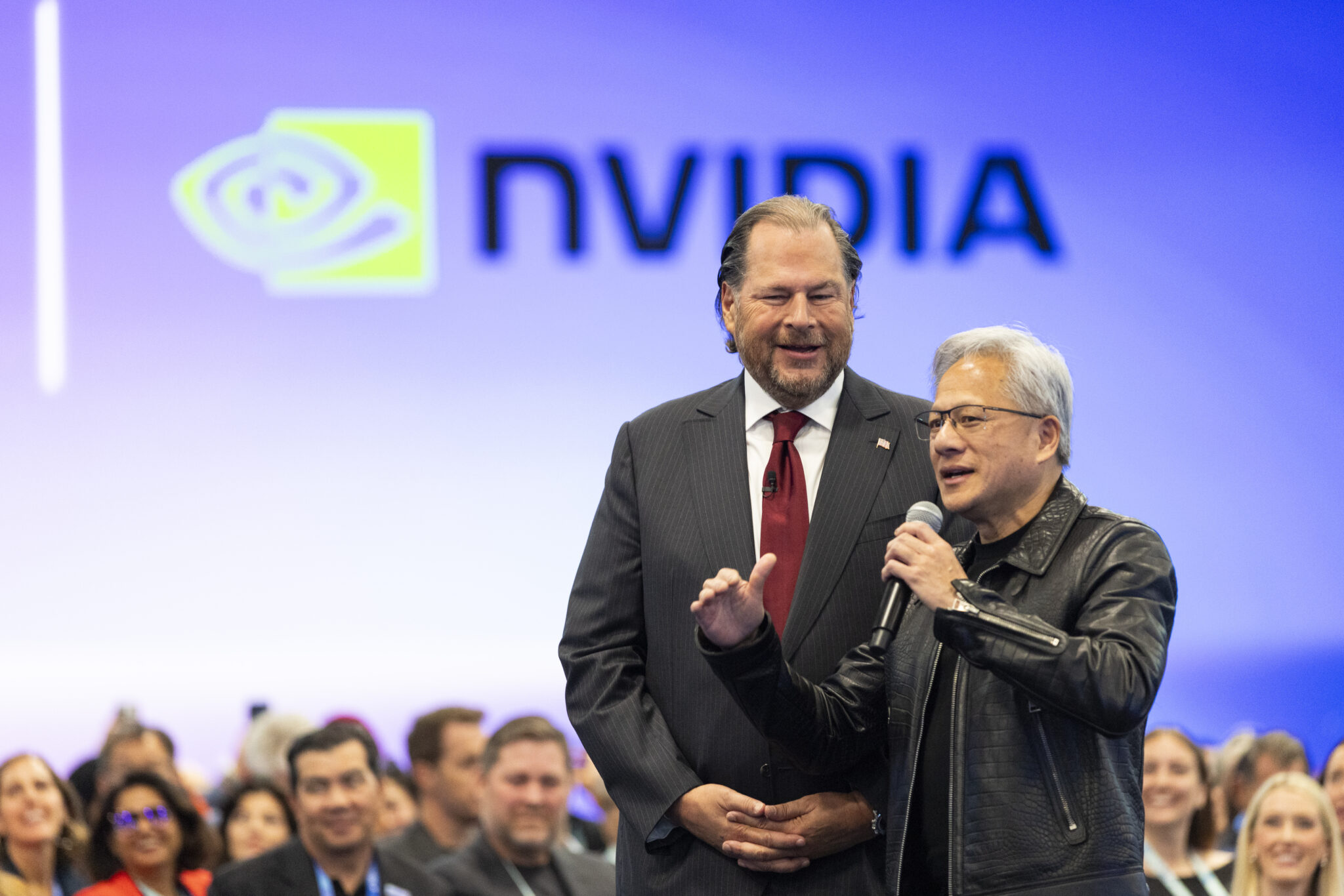
‘Now We Can Know Everything and Do Anything,’ Jensen Huang Says at Dreamforce

Summary

Nvidia’s Jensen Huang announced Salesforce’s Koa, a CRM‑reasoning LLM built by fine‑tuning Nvidia Nemotron 3 Super on a synthetic, three‑decade‑spanning dataset. Koa uses supervised fine‑tuning plus RL (NeMo RL, Gym, AutoModel), covers 14+ industries, and claims 3× fewer errors on Salesforce’s CRM‑Bench versus leading models. It’s already in internal Slack agents and slated for limited customer p…

  • Koa is a custom LLM for CRM tasks, built on open‑source Nemotron 3 Super via synthetic data, not real customer data.
  • Training pipeline: supervised fine‑tuning → reinforcement learning with Nvidia’s NeMo stack (RL, Gym, AutoModel).
  • Benchmark claim: 3× fewer errors on Salesforce’s CRM‑Bench (tasks like opportunity updates, case routing).
  • Deployment roadmap: internal Slack agents now, customer pilots in Oct (e.g., Formula 1, UChicago Medicine), GA winter 2026 US.

Shows how large enterprises are internalizing LLM development with synthetic data to avoid data‑privacy issues, and how Nvidia’s open‑model ecosystem (Nemotron 3 Super + NeMo) is being leveraged for domain‑specific reasoning. The claimed error reduction hints at tangible productivity gains for CRM…

4/10
Related reading

  1. NVIDIA Vera Rubin NVL72 Delivers Leading Performance in MLPerf Inference v6.1 Debut

    NVIDIA’s Vera Rubin NVL72 AI inference system shows up to 3.7× higher throughput than the prior GB300 NVL72 on MLPerf v6.1 benchmarks (Qwen3‑VL, DeepSeek‑R1), achieves 99% scaling efficiency across 288 GPUs, and benefits from software optimizations (NVFP4 precision, kernel fusion, disaggregated serving). The post is a product announcement with concrete benchmark numbers but limited technical dept…

    Nvidianvidia.com4 min
  2. 5 Companies Using NVIDIA AI for Clean Energy

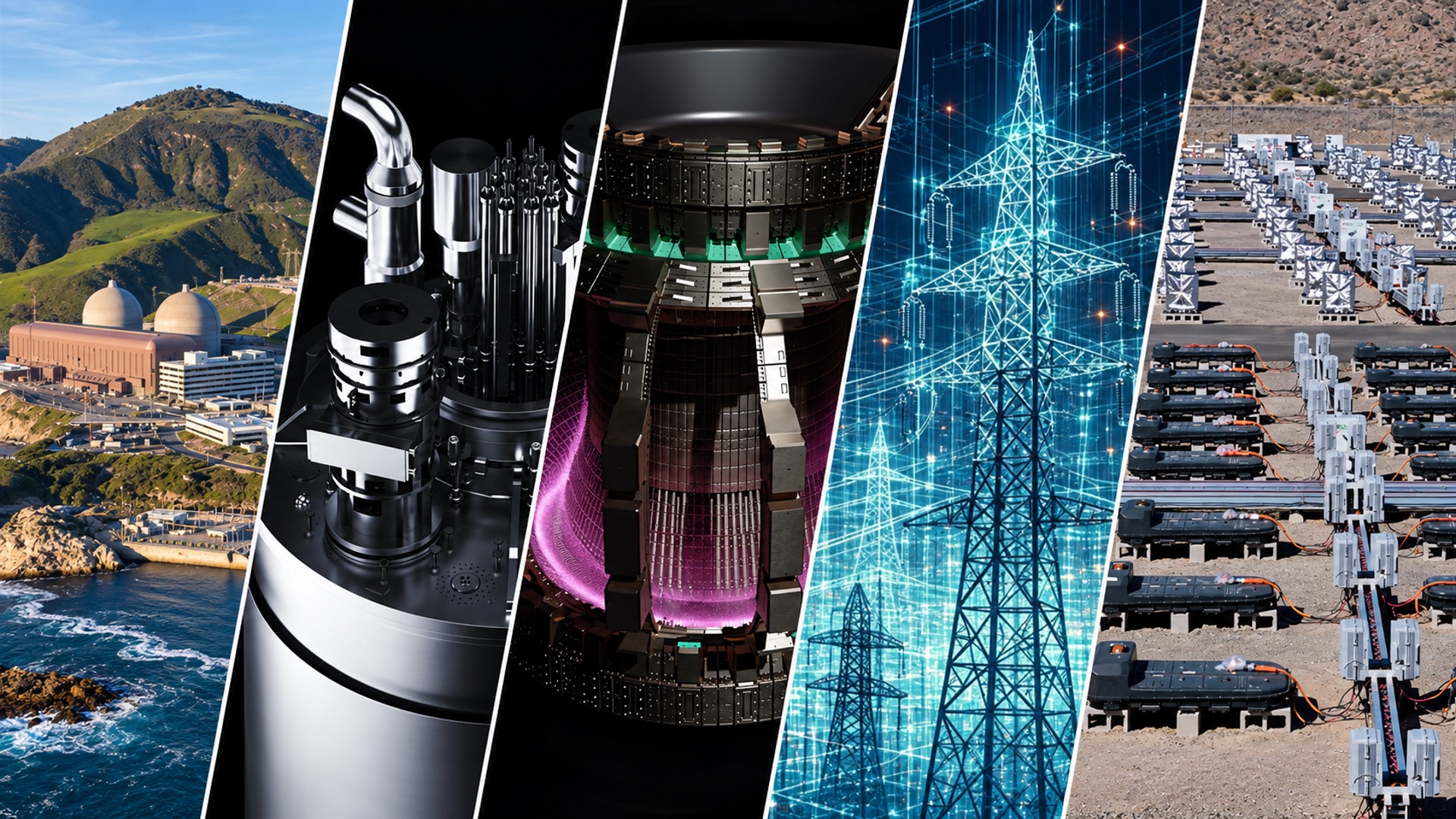
    Nvidia’s blog spotlights five companies that are using Nvidia AI platforms to accelerate clean‑energy projects—from grid interconnection and nuclear plant operations to off‑grid AI data‑center power, advanced reactors, and fusion tokamaks. The article is a marketing summary and provides few technical details.

    Nvidianvidia.com4 min
  3. Why I'm still bearish on LLMs after Navier-Stokes

    The author argues that despite headline successes (e.g., Navier‑Stokes proof, security exploits), current frontier LLMs still require heavy human oversight and rigorous specifications that are costly to produce. Reward‑hacking, narrow generalization, and the need for domain‑expert spec writing limit autonomous deployment to only a few niche domains (high‑failure‑cost work, tightly defined tasks,…

    Hacker News front pagedank.systems5 minHN487644lobste.rs49
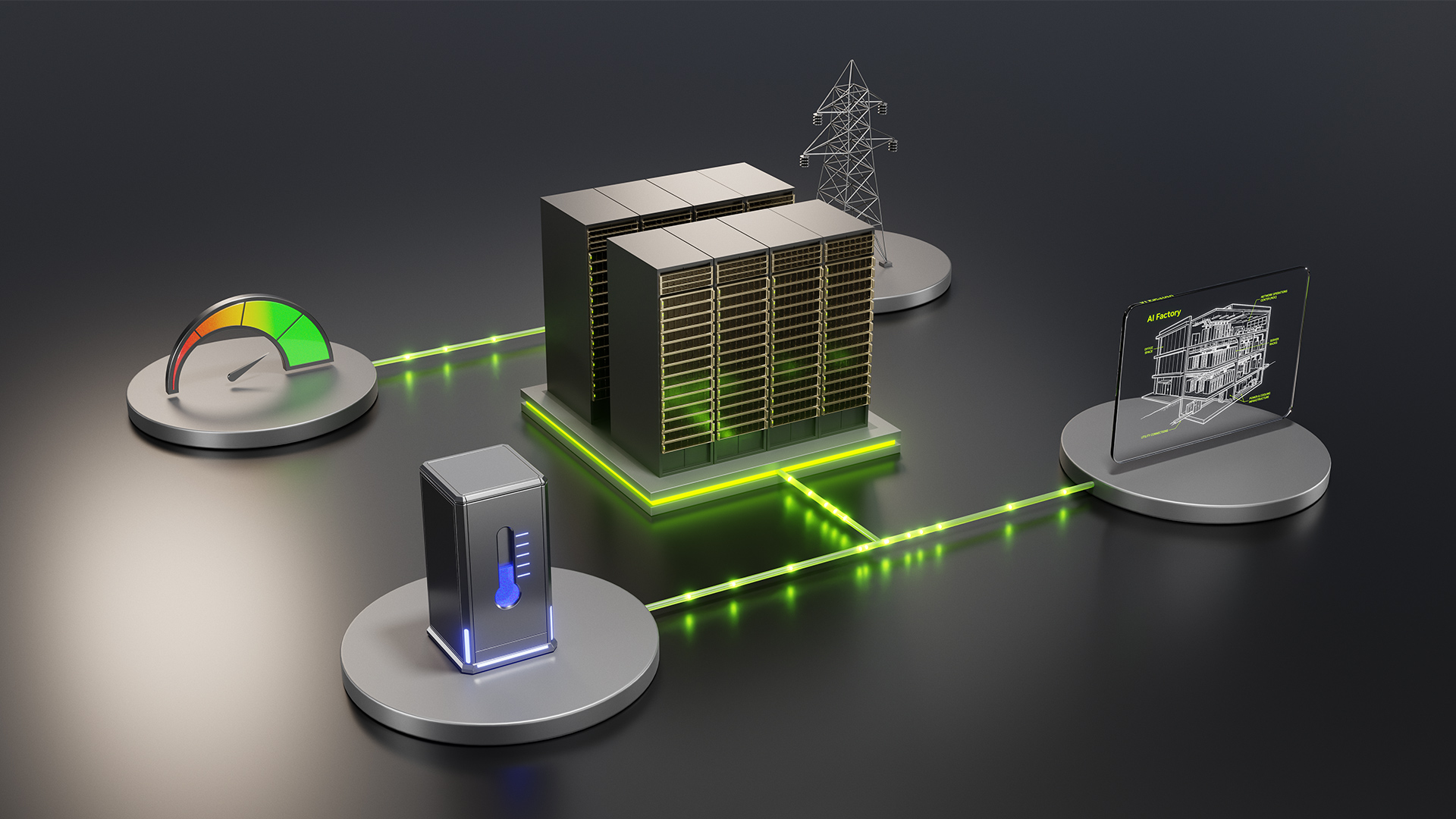
  4. From Megawatts to Tokens: How NVIDIA Maximizes AI Factory Production

    NVIDIA’s DSX platform lets AI data‑centers shift workloads in response to grid signals, squeezing ~24% more token throughput (4 M→5 M tps) and ~23% better performance‑per‑watt on a fixed megawatt budget. The first production demo used Emerald AI’s Conductor to drop a 4 MW load to 3 MW in under a minute without interrupting high‑priority jobs. DSX MaxLPS reallocates headroom across HGX B200 server…

    Nvidianvidia.com5 min
  5. How Data 360 Builds Trusted Context: The Enduring Layer for Enterprise AI

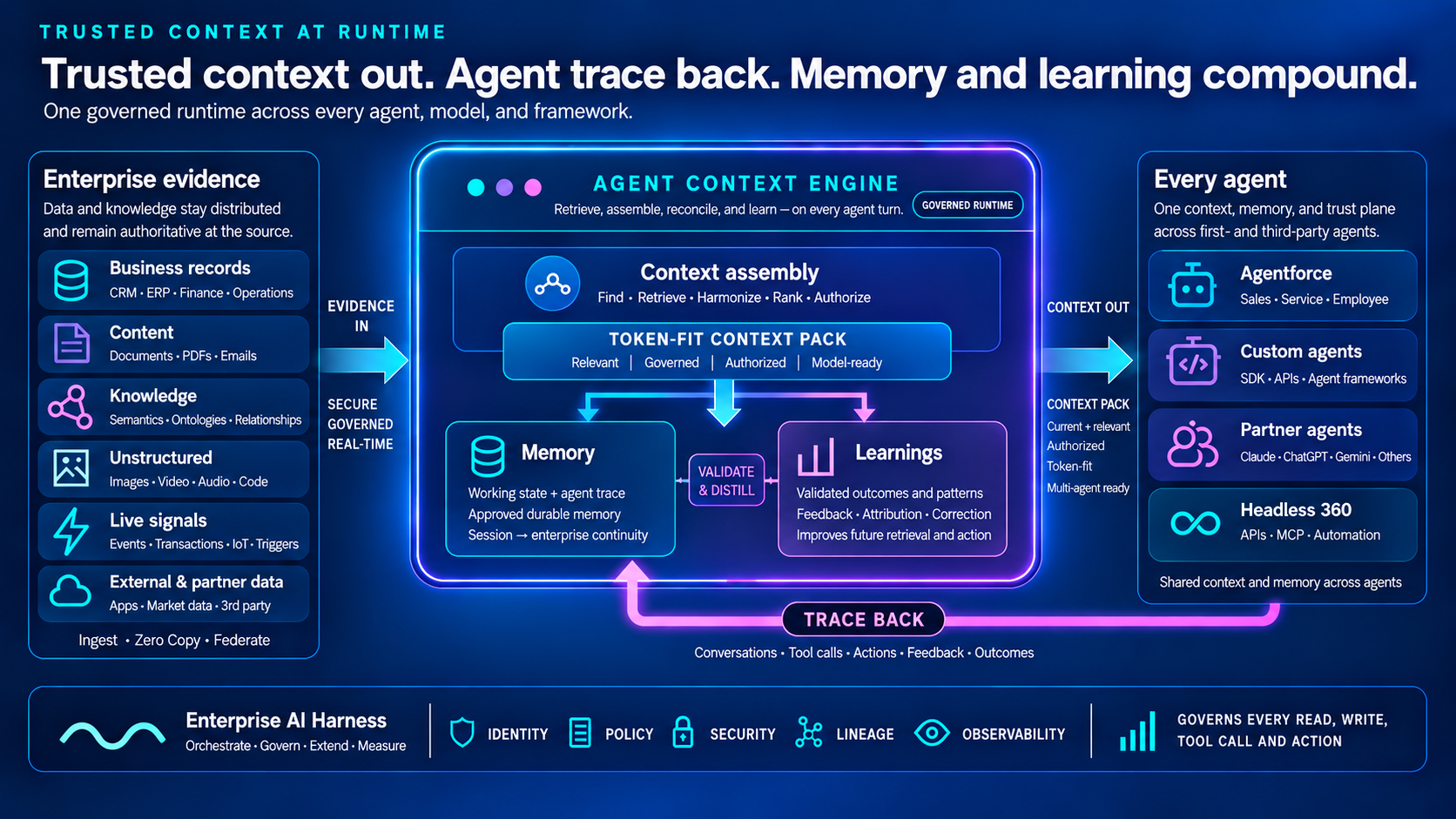
    Salesforce’s Data 360 provides a shared runtime that assembles the minimal, authorized slice of enterprise data (“Trusted Context”) for each AI‑agent turn. A six‑stage Agent Context Engine (Resolve, Plan, Reconcile, Govern, Compile, Learn) pulls data from structured, unstructured, and streaming sources across Salesforce, Snowflake, Databricks, etc., applies fine‑grained policy, and returns a toke…

    Salesforce Engineeringsalesforce.com11 min
  6. Introducing System One Models and Jev

    TypeSafe AI announced its first “System One” model, Jev, a non‑text‑generating LLM that outputs type‑safe structured decisions with calibrated probabilities. It claims 40‑200× lower latency (70‑500 ms) and 100‑500× lower cost versus frontier LLMs, no hallucinations, and parallel sampling. The post includes a side‑by‑side demo, a custom “workflow” benchmark comparing Jev to GPT‑5.6/6 and other mod…

    Hacker News front pagetypesafe.ai9 minHN1824480lobste.rs26