proomt

Search

Search posts, papers, and topics

productivity

RSS
  1. 2

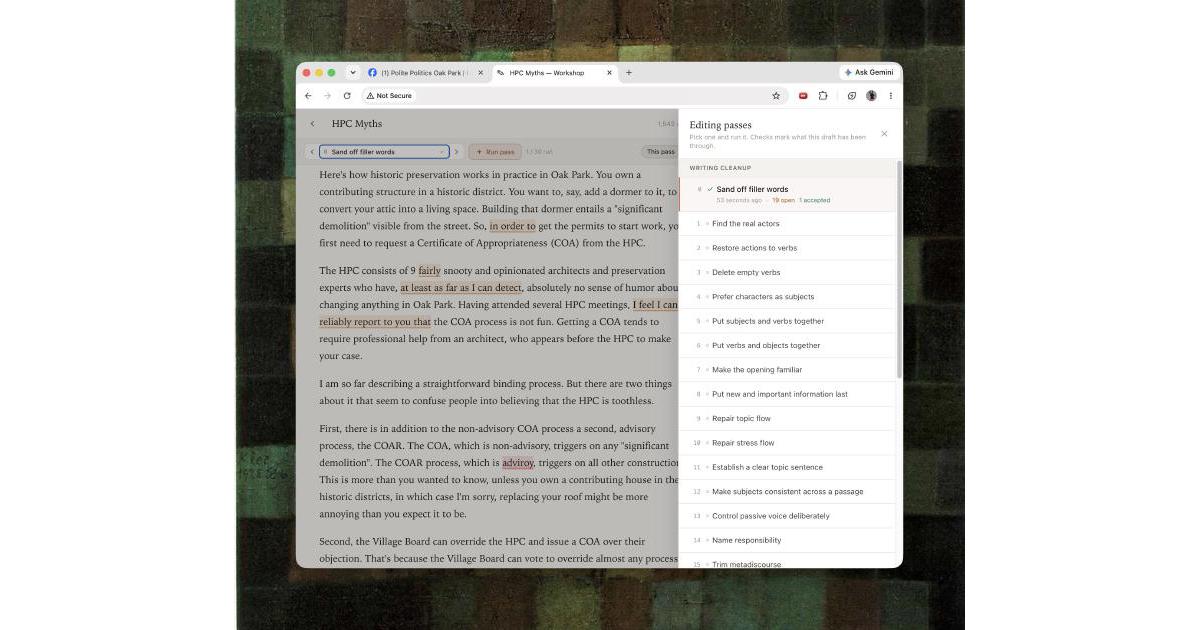
    How to Write with an LLM

    The post proposes a two‑rule workflow for using LLMs as copy‑editors rather than ghostwriters: never adopt a phrase the model suggests, and block its encouragement feedback. It then shows how to automate iterative copy‑editing with a small Python/HTMX/Tailwind app and a set of concrete prompts.

    Hacker News front pagesockpuppet.org6 minHN712401
  2. 3

    Quoting voxium

    A new engineer observes that a big company's reliance on AI for all artifacts (code, specs, tickets) leads to human bottlenecks. Despite AI generating everything, engineers work long hours because nobody understands the output, making the team slow.

    Simon Willisonsimonwillison.net1 min
  3. 4

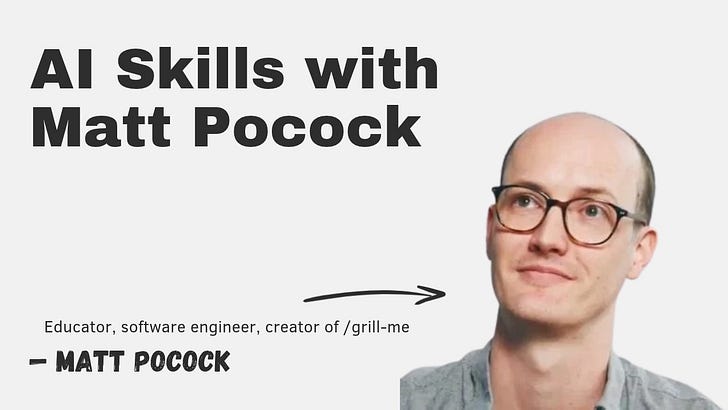
    AI Skills with Matt Pocock

    Matt Pocock explains how he uses AI agents for software development, emphasizing "strategic programming" and guiding agents with "leading words" from classic engineering texts. He argues that this approach makes engineering fundamentals more critical than ever for creating agent-optimized codebases.

    The Pragmatic Engineerpragmaticengineer.com7 min
  4. 5

    How To Write With An LLM

    Simon Willison argues that LLMs should be used as copyeditors, not as writers, and proposes a strict rule never to reuse any phrase they suggest. He shares a prompt for building a personal LLM proofreading tool.

    Simon Willisonsimonwillison.net1 min
  5. 6

    Claude for small business: What it is and how to use it

    Claude for Small Business is a Zapier plugin that runs inside Claude Cowork, offering 40+ pre‑built workflows and direct connections to tools like QuickBooks, HubSpot and Slack. After installing the desktop app and linking your apps (individually or via Zapier), you can ask Claude to handle invoices, payments, marketing drafts, and more, with user approval and usage limits.

    Zapier Engineeringzapier.com6 min
  6. 7

    We now auto-approve and merge 15% of PRs

    This article describes how a team implemented a bot to auto-approve and merge 15% of low-risk pull requests, aiming to reduce code review bottlenecks and improve development velocity. The system relies on custom deterministic linters, basic end-to-end tests, and a risk scoring mechanism to identify safe changes.

    Swizec Tellerswizec.com3 min
  7. 8

    The top AI text generators in 2026

    Zapier’s 2026 roundup treats AI text generation as a ubiquitous feature rather than a standalone product. It explains that modern LLMs with long context windows have pushed dedicated generators into niche roles (marketing, SEO, agents) and then surveys the most useful built‑in generators across email (Gmail Gemini, Outlook Copilot), document suites (Google Docs, Microsoft Word, Notion), chatbots…

    Zapier Engineeringzapier.com9 min
  8. 12

    Two Claude accounts, one session

    claude-swap is a CLI tool that watches your Claude usage and automatically swaps to a secondary account when the active account hits 90% of its quota. Install via pipx, add accounts, and run `cswap auto` (or its dashboard) to keep sessions alive, though each swap incurs a cold‑cache cost.

    Bjørn Johansenbjornjohansen.com1 min
  9. 15

    How to see who viewed your Google Doc

    A step‑by‑step guide to using Google Docs’ Activity dashboard to see who has opened a document, check sharing history, and control view‑history privacy, plus a brief note on automating notifications with Zapier.

    Zapier Engineeringzapier.com4 min
  10. 17

    The CARE score: Measuring your organization's AI readiness

    CloudBees’ CARE Score is a proprietary 0‑100 rubric across six AI‑governance dimensions (cost visibility, budget predictability, productivity measurement, governance maturity, pipeline visibility, token governance). The post shows a gap between leaders’ self‑rated confidence (≈86‑92%) and operational reality (e.g., only ~30% can attribute AI spend to outcomes, ~27% enforce token limits). It offer…

    Codeshipcloudbees.com8 min
  11. 18

    Reminder of Things

    The author reflects on moving from the Things to‑do app to Apple Reminders, citing Siri/HomePod integration and collaborative lists as the main reasons, while criticizing Reminders’ UI clutter. He notes the fragmentation of his task data across multiple apps and hopes a third‑party front‑end like Unforgetful could combine the simplicity of Things with Reminders’ data.

    Jonathan Snooksnook.ca2 min
  12. 19

    Amped up

    The post highlights Sebastian’s shift to using Amp as his primary AI coding harness, emphasizing improved user experience over model churn, and mentions AGENTS.md tweaks that cut down unnecessary verification during everyday coding.

    Freek Van der Hertenfreek.dev1 min