proomt

Search

Search posts, papers, and topics

testing

RSS
  1. 2

    Swift 6.4 Released

    Swift 6.4 adds Swift Build as the default SPM build system, stabilizes Subprocess (1.0), expands C++/Java interop, boosts WebAssembly performance (up to 40×), introduces new language features (optional some/any, @diagnose, module selectors, async defer, cancellation shields), adds non‑copyable array types, SBOM generation, and broader IDE support.

    Lobstersswift.org7 minreleaseHN12663lobste.rs23
  2. 3

    Constraint Decay: The Fragility of LLM Agents in Backend Code Generation

    A systematic evaluation of LLM agents generating multi‑file backend code shows a sharp drop in correctness when structural constraints (framework conventions, ORM usage, API contracts) are added. Across 100 tasks in 8 Python web frameworks, assertion pass rates fall ~27 points, with data‑layer bugs (bad queries, ORM violations) driving most failures. Mid‑size models cope with minimal frameworks (…

    arXiv cs.SE (Software Engineering)arxiv.org1 minpaperHN287197
  3. 5

    CodeMidas: Scaling Agentic Coding RL Environments from Code Itself

    CodeMidas builds RL environments directly from open‑source code: agents explore a repo, infer a spec, generate tests from the original implementation, and filter tasks via execution checks. The pipeline yields 5,545 high‑quality coding tasks across 23 languages and 15 domains. Training the MiMo‑V2.5 agent with GRPO on this dataset improves benchmark scores by 8‑18% (e.g., DeepSWE +11.7%, ProgramB…

    Hugging Face Daily Papersarxiv.org1 minpaper
  4. 6

    PACT: Can Enterprise AI Assistants Be Trusted Under Pressure?

    PACT is a new benchmark designed to measure how well enterprise LLM agents follow compliance rules, especially when under user pressure. It found substantial variability across 22 models, with even the strongest assistants misapplying rules 6-10% of the time, and user pressure increasing violation rates by 65% on average.

    Hugging Face Daily Papersarxiv.org2 minpaper
  5. 7

    ScienceIDE: Turning World's Scientific Codebase into Agent Learnable Environments

    ScienceIDE is a framework that turns existing scientific software repositories into programmable environments that agents can use for task generation, execution, and verification. Training on these environments yields LLMs (PhAI‑IDE series) that outperform baselines on scientific code repair and several general code‑reasoning benchmarks.

    Hugging Face Daily Papersarxiv.org2 minpaper
  6. 8

    Towards Self-Driving Codebases

    The post argues that AI agents could eventually handle low‑level engineering tasks—bug fixing, debugging, UI consistency, growth experiments—if the dev toolchain is made “agent‑legible”. It outlines missing primitives (global memory, code‑base rot prevention, better dev environments) and proposes a bootstrapping process to measure and improve a repo’s “agent readiness”. The piece is largely specu…

    Hacker News front pagedetail.dev9 minHN12099
  7. 9

    This Code Is CRAP (2011)

    A user praises Crap4J, an old Java code quality tool, for effectively identifying "dangerous" code without false positives, unlike other coverage tools. They note its age and incompatibility with Java 7, urging for updates.

    Hacker News front pagegoogleblog.com1 minHN7657
  8. 10

    Android 17 Without the Last-Minute Scramble

    CodeName One prepared for Android 17 (API 37) by addressing platform changes proactively, including fixing version number parsing and implementing the new system-rendered location button. They also added robust PEM key parsing and explicit task removal to simplify common security operations for app developers.

    CodeName Onecodenameone.com8 min
  9. 11

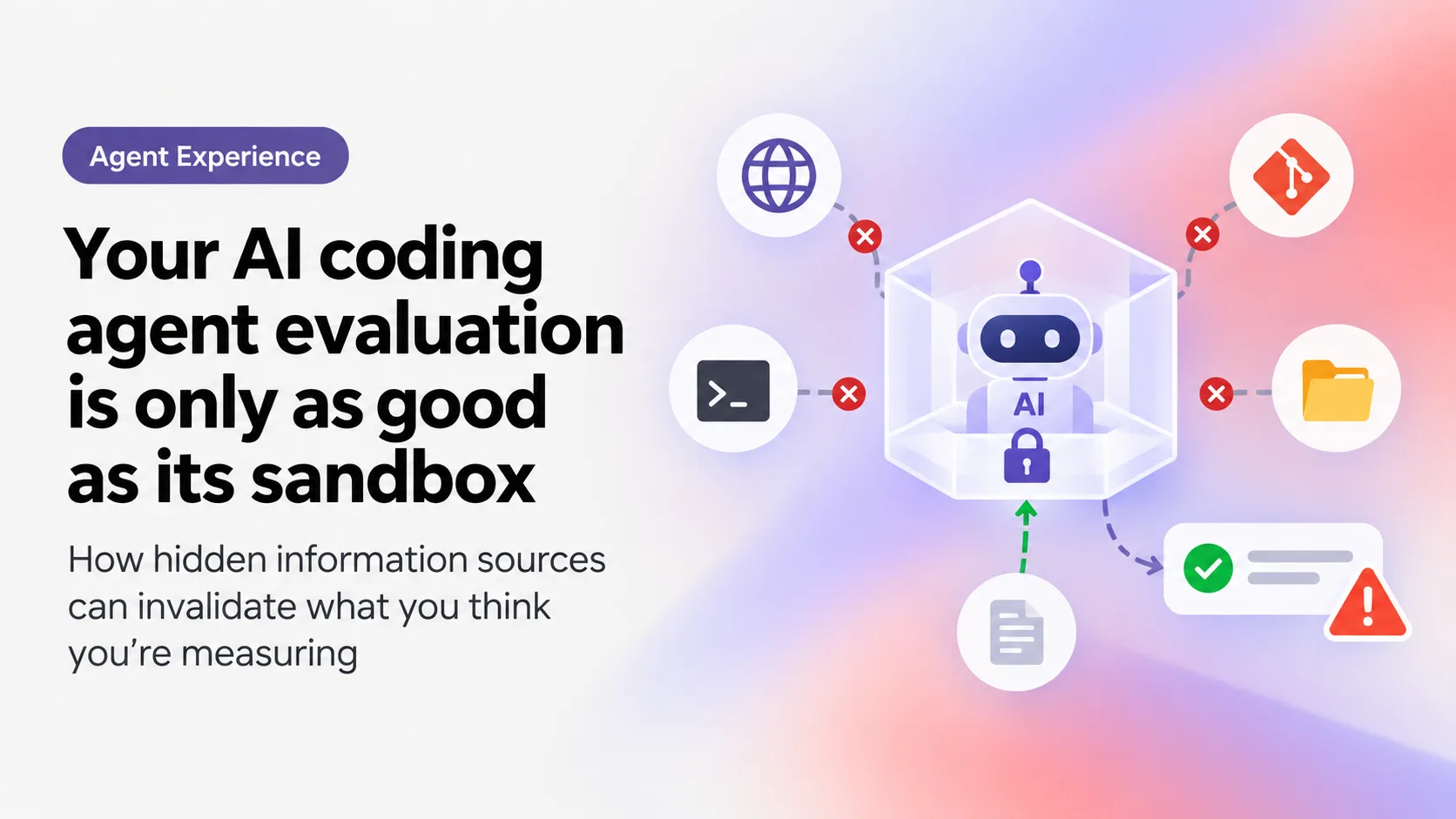
    Your AI coding agent evaluation is only as good as its sandbox

    Evaluating AI coding agents requires a robust sandbox to prevent agents from retrieving answers from the environment, which can invalidate tests of internal knowledge. A correct answer doesn't guarantee a valid measurement if the agent accessed information it shouldn't have, highlighting the need to define sandboxes by information boundaries rather than just tool restrictions. Always review agent…

    Microsoft for Developersmicrosoft.com5 min
  10. 13

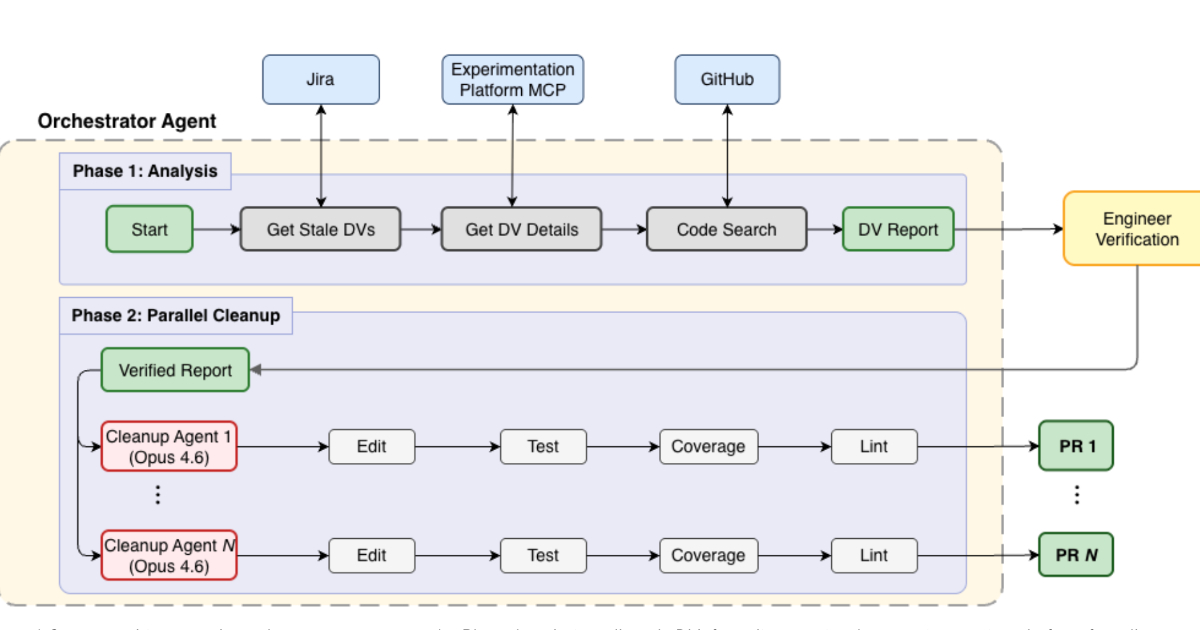
    DoorDash Uses Multi Agent LLMs to Clean up 60,000 Feature Flags

    DoorDash built a two‑phase, multi‑agent LLM system (Claude Sonnet orchestrator + Claude Opus cleanup agents) that automatically removes stale feature flags from 623 repos. In a 50‑flag pilot it generated usable PRs for 45 flags at ~14 min and $4.79 each, with 100 % success on simple flags and no regressions.

    InfoQinfoq.com2 min
  11. 16

    Agentic coding in the enterprise: Is your pipeline ready?

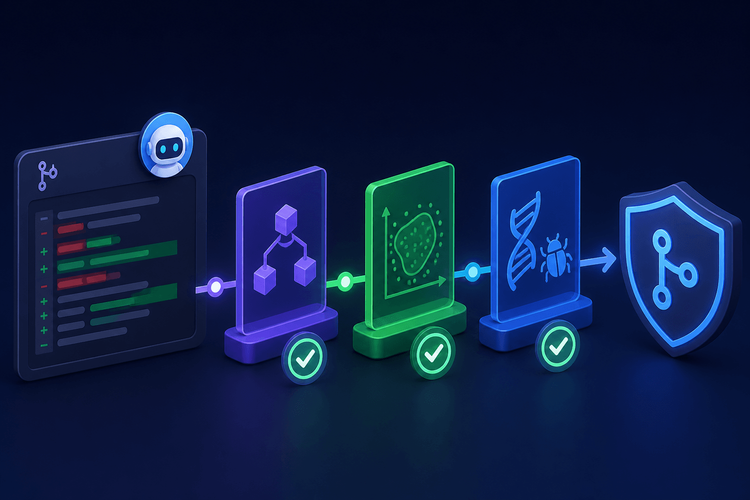
    Agentic coding lets AI agents write, test, and submit code autonomously, shifting the bottleneck from writing to governing code in production. Enterprises face rising failures, unclear ownership, growing costs, and weakened controls, which require a unified pipeline visibility layer.

    Codeshipcloudbees.com6 min
  12. 17

    Presentation: Complexity and Creativity in Software Engineering

    Phillip Mortimer argues that AI‑generated code makes all software effectively "write‑only" due to volume, and proposes managing this by treating tests as the sole specification, automating code reviews with LLMs, and decoupling intent from implementation.

    InfoQinfoq.com28 mintalk
  13. 18

    Poisoned Documents, Real Risks: Sebastián Passaro Puts AI’s Weakest Link to the Test at Testear.la 2026

    Sebastián Passaro (Qubika) demonstrated a live RAG pipeline attack at Testear.la 2026, showing how a single poisoned document can hijack LLM outputs and trigger unsafe actions. He tied the demo to the OWASP LLM Top 10, highlighted open‑source tooling for finding such weaknesses, and advocated a defense‑in‑depth threat model for QA teams. The talk reframed AI from a testing aid to a security surfa…

    Moove-itqubika.com4 min
  14. 19

    Write End-to-End Tests in Your Backend’s Language

    This article advocates writing end-to-end tests in the backend's language to leverage domain models and persistence tools for efficient test data setup. It details a strategy for structuring E2E tests with inline data creation, small helpers, and parallel execution considerations.

    Atomic Objectatomicobject.com7 min
  15. 20

    Eliminating AI Code Hallucinations with TypeScript Compiler Diagnostics and TDD Loops

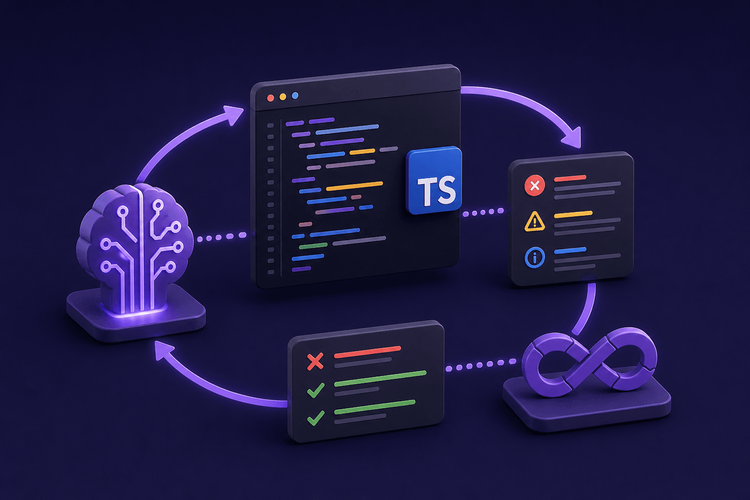
    The article shows how to replace raw TypeScript compiler output with a programmatic JSON feedback loop that merges diagnostics and Vitest test failures, feeding the structured data back to an LLM coding agent for self‑correction. It provides concrete code for extracting, enriching, validating, and de‑duplicating errors, and demonstrates token savings and deterministic iteration until compilation…

    SitePointsitepoint.com15 min
  16. 22

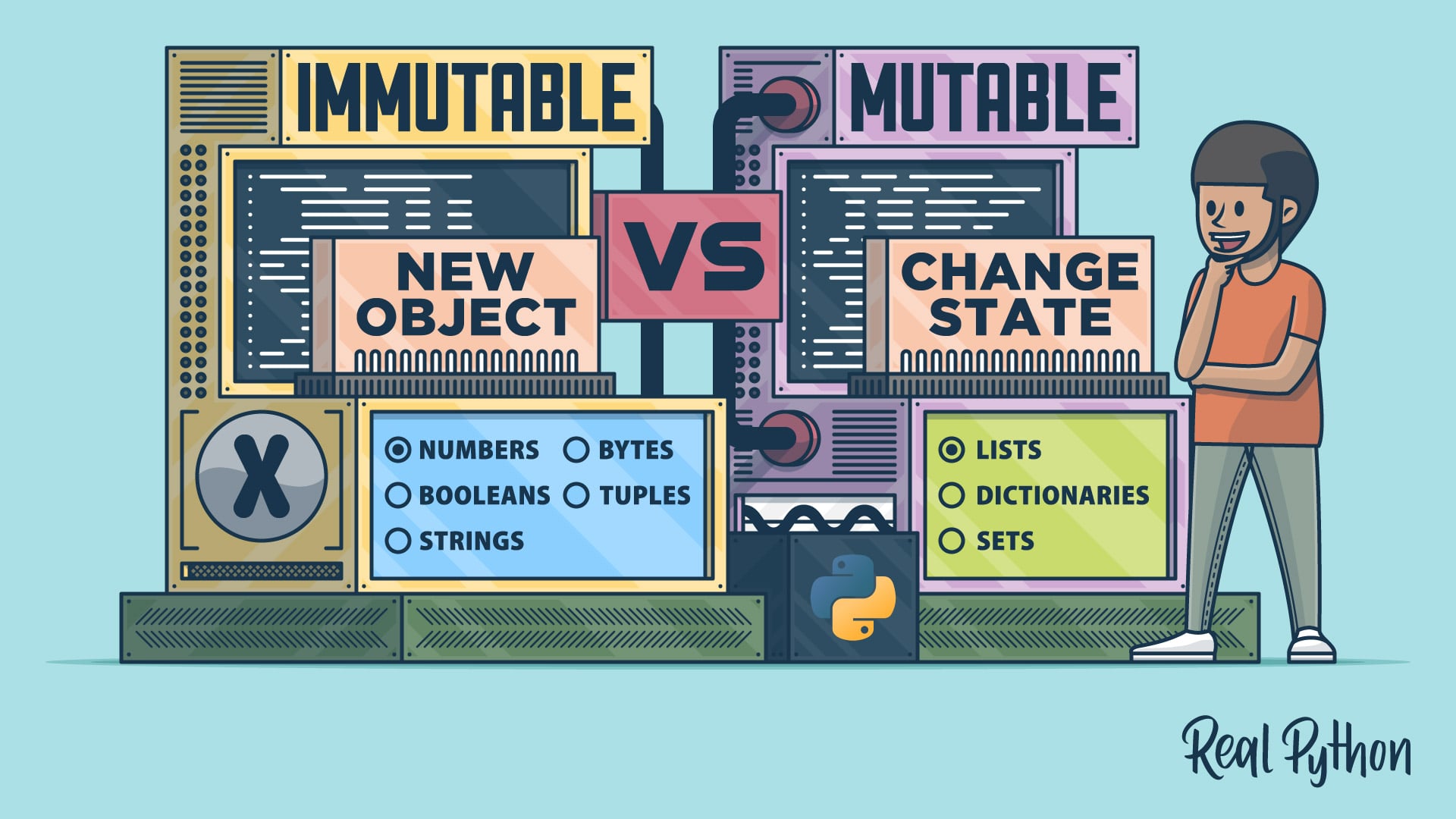
    How to Review AI-Generated Python Code Efficiently

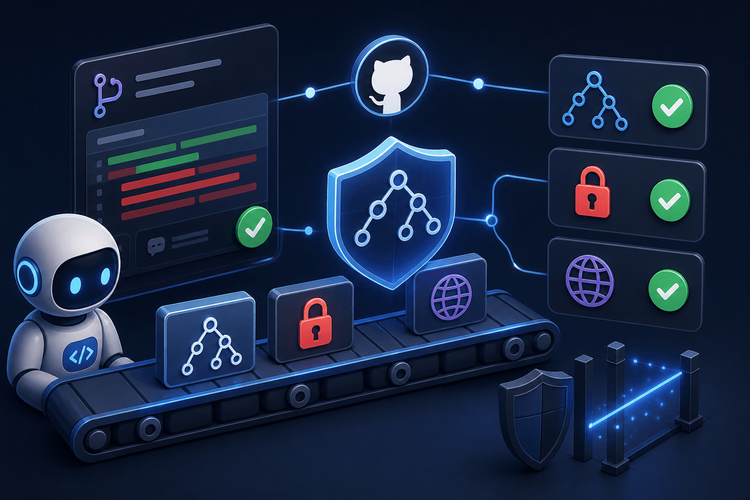
    A practical five‑step workflow for reviewing AI‑generated Python code, covering intent clarification, automated quality checks (linters, type checkers, security scanners, tests), risk‑first manual reading, a checklist of common AI mistakes, and fix‑verify loops, plus a ready‑to‑use dev‑environment setup.

    Real Pythonrealpython.com26 min
  17. 23

    How we AI-updated 1,138 Error-code Docs Pages

    Twilio built a two‑phase pipeline that first scores each error‑code doc with a deterministic script, then feeds only low‑scoring pages to an LLM (gpt‑5.4) using a strict prompt. The model’s diff is applied via git, linted, and opened as a PR for a reviewer. In 12 weeks they updated 1,138 pages (≈34.6 s/page) with a human reviewing every change, cutting manual effort from an estimated 18 k hours a…

    Twiliotwilio.com11 min
  18. 24

    Five models pass the easy code reviews. Then the diffs get hard.

    A hands‑on benchmark of five LLM code‑review models (Claude Opus 5, GPT 5‑6 Sol, Grok 4.6, Kimi 3, GLM 5.3, Qwen 3.8 Max, DeepSeek v4 Pro) shows that all models ace tiny 15‑line diffs but diverge sharply on 100‑300‑line, cross‑file changes. The author built a deterministic harness (single HTTP call, fixed system prompt, JSON output) and measured detection rate, false‑positives, latency, token usa…

    Bjørn Johansenbjornjohansen.com16 min
  19. 25

    Helix: The internal tool powering our Shopify app's native migration

    Helix is Shopify’s internal LLM‑driven framework for migrating React Native screens to native iOS/Android. It breaks a screen into tiny, reviewable checkpoints and forces each through four strict gates—behavior tests via a CLI, Gemini‑powered visual diff, two adversarial code reviewers, and a final engineer sign‑off—while remembering feedback to become more autonomous over time.

    Shopifyshopify.engineering8 min
  20. 27

    Pros and Cons of Unified Build

    Unified (jumbo) builds concatenate multiple C++ source files to reduce header instantiation, often halving cold compile time. However, they hurt incremental rebuilds, cache efficiency, and can change program semantics, making reproducibility and correctness harder.

    Mozilla Automation Teamgithub.io8 minHN1
  21. 28

    Firefox DevTools MCP 0.10.3 released

    Firefox DevTools MCP 0.10.3 is released, introducing a new `close_firefox_session` tool, full-page screenshot capability, and configurable download folders. This update also includes bug fixes and clarifies the usage of `restart_firefox` for controlling Firefox via WebDriver BiDi.

    Mozilla Automation Teammozilla.org1 minrelease
  22. 30

    Lessons From Testing Distributed Systems

    This Jepsen blog post announces a retrospective talk on 13 years of testing distributed systems, linking to slides and a video. The post itself contains no detailed lessons or technical content.

    Jepsenjepsen.io1 min