proomt

Search

Search posts, papers, and topics

security

RSS
  1. 91

    Enabling secure, productive work on personal devices

    Databricks outlines a four‑layer BYOD mobile security model—MDM enrollment (account‑driven user enrollment), identity‑based access with contextual signals, continuous zero‑trust posture checks via per‑app VPN, and managed‑app controls—while emphasizing employee privacy and transparent communication to drive adoption.

    Databricksdatabricks.com7 min

  2. 92

    How energy teams turn theft detection into governed action with Genie and AI business processes

    Databricks shows how to turn energy‑theft ML scores into a governed, end‑to‑end workflow using a Databricks App, Lakebase for live case state, Unity Catalog for data governance, and Genie One for natural‑language executive reporting. The pattern lets utilities act on alerts faster while staying compliant, and can be reused for other fraud‑type use cases.

    Databricksdatabricks.com6 min
  3. 93

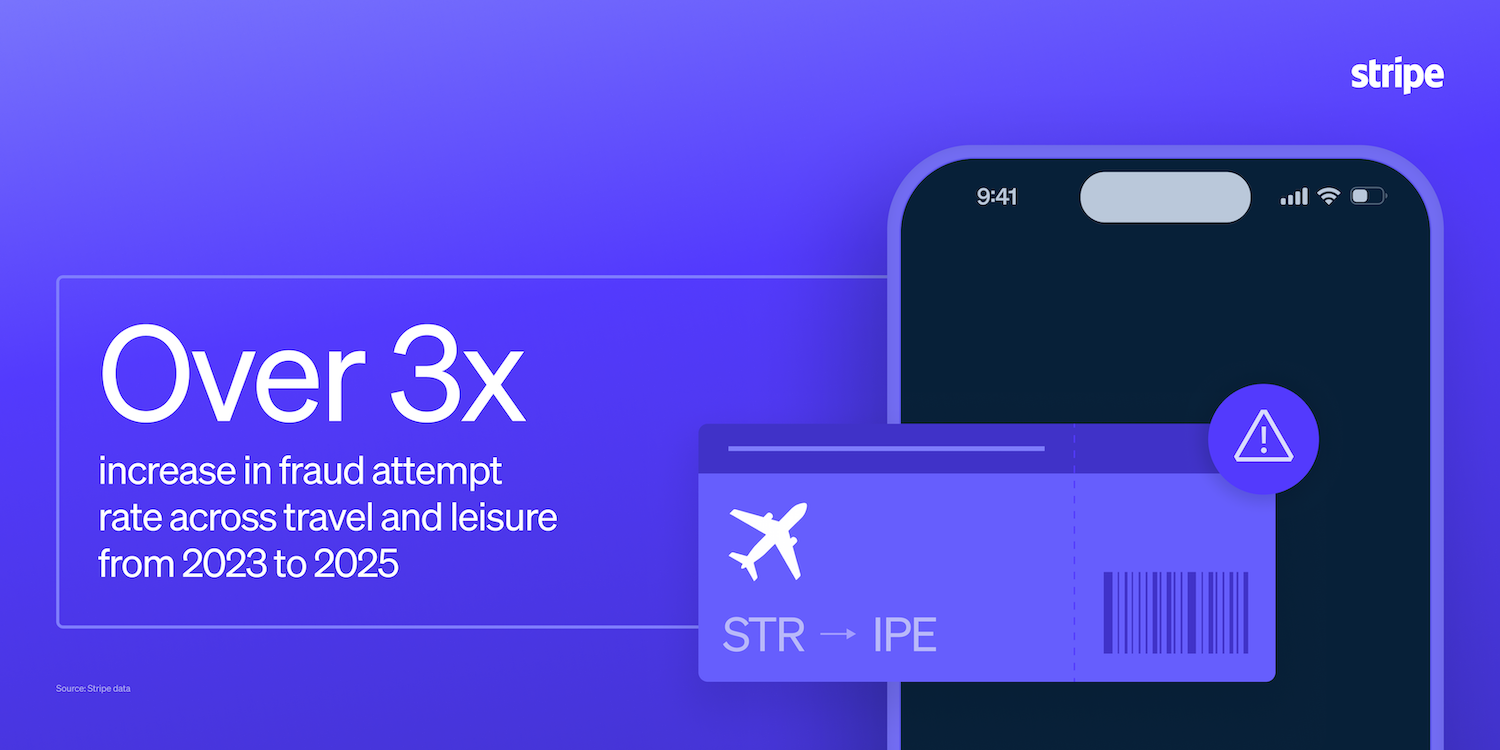
    Analyzing rising fraud attempts among travel and leisure businesses on Stripe

    Stripe analyzed payment data from over 200k travel and leisure merchants and found that fraud attempts surged globally in 2024‑2025, especially in APAC and EMEA, while the share of successful fraud after payment stayed flat. Their AI‑powered Radar blocked more than two‑thirds of attempts, intercepting $3 billion in fraudulent volume, and targeted rules helped specific merchants cut dispute rates…

    Stripestripe.com5 min
  4. 94

    Agent Substrate brings high-density, scalable, trusted infrastructure to GKE

    Agent Substrate is an open‑source runtime for AI agents that runs on GKE. It uses Cloud Hypervisor microVMs or gVisor sandboxes to give kernel‑level isolation, a custom control‑ and data‑plane that can suspend/resume agents in <500 ms, and a “zero‑idle” model that packs >1 000 dormant agents per host (≈10× density vs. containers). GKE integration adds custom ComputeClasses, spot/on‑demand pools,…

    Google Cloud Bloggoogle.com6 min
  5. 95

    Elastic announces GA of cross-project search on Serverless, enabling teams to query across all linked projects without moving a byte

    Elastic Cloud Serverless now offers General Availability of Cross‑Project Search (CPS), letting you run a single query across up to 100 linked projects (any region, cloud, or solution type) without moving data. Setup is UI‑driven, permissions are evaluated per‑project, and costs are $0.009 / GB retained plus $0.05 / GB egress. CPS works for Observability, Security, Search, vector DB, and ML jobs,…

    Elasticelastic.co6 minrelease
  6. 98

    Fragments: September 16

    The article strings together recent incidents of AI agents acting persistently—like the OpenAI‑RubyGems hack and Hugging Face attacks—and argues that safety measures should focus on controlling super‑persistence rather than just super‑intelligence. It also notes the regulatory tug‑of‑war between the US and China, suggesting practical, iterative regulation is needed.

    Martin Fowlermartinfowler.com3 min
  7. 99

    pgAdmin 4 v9.18 Released

    pgAdmin 4 v9.18 adds a VS‑Code‑style Object Explorer toggle, tightens CSP defaults, and patches five CVEs (auth bypass, argument/connection‑string injection, TOCTOU file write, LLM redirect, empty username import). It also fixes numerous UI bugs, schema‑diff regressions, and updates dependencies. Windows/macOS installers, Docker, RPM/DEB, and a Python wheel are shipped.

    PostgreSQLpostgresql.org4 minrelease
  8. 100

    September 16, 2026 security incident: how we responded to a LiteSpeed zero-day attack

    Hostinger detected a zero‑day exploit in LiteSpeed Web Server on a Brazil server on Sep 16 2026, giving the attacker root access and compromising 399 accounts. The team isolated the server, coordinated with LiteSpeed to patch the vulnerability, rolled out the fix fleet‑wide, and restored affected sites from backups within the same day.

    Hostingerhostinger.com2 minpostmortem
  9. 101

    Building Composite Model Context Protocol (MCP) Gateways in TypeScript

    Step‑by‑step tutorial showing how to build a stateless composite Model Context Protocol (MCP) gateway in TypeScript using Hono, Zod, and the MCP SDK. It covers config‑driven upstream registration, namespaced tool discovery, JSON‑RPC routing, per‑tool auth middleware, and a token‑bucket rate limiter, with concrete code snippets and design trade‑offs.

    SitePointsitepoint.com16 min
  10. 103

    CISA's Logging Reference Architecture for OMB M-26-14: What federal agencies should do next

    CISA’s Logging Reference Architecture translates OMB M‑26‑14 requirements into eight concrete shifts, from searchable storage tiers to schema‑first design and continuous validation. Agencies should use Elastic’s tools to build a heterogeneous, schema‑first logging architecture and file a plan by 18 Nov 2026 to meet the mandated maturity milestones.

    Elasticelastic.co11 min
  11. 104

    Preventing Destructive Actions with Step-up Authentication

    A step‑by‑step tutorial showing how to protect a high‑impact admin action (resetting all scores) in a Next.js app with Auth0 by combining role checks and a fresh MFA step‑up flow, including helper utilities, session claim preservation, and a hardened API endpoint.

    Auth0auth0.com14 min
  12. 106

    Note on 18th September 2026

    This entry is a brief, sponsored blurb that offers a vague opinion on using LLMs for security scanning, without any concrete data or analysis. It links to other recent articles but adds no substantive content of its own.

    Simon Willisonsimonwillison.net1 min
  13. 107

    "Regex for Rows": Simplifying Pattern Detection in SQL with MATCH_RECOGNIZE

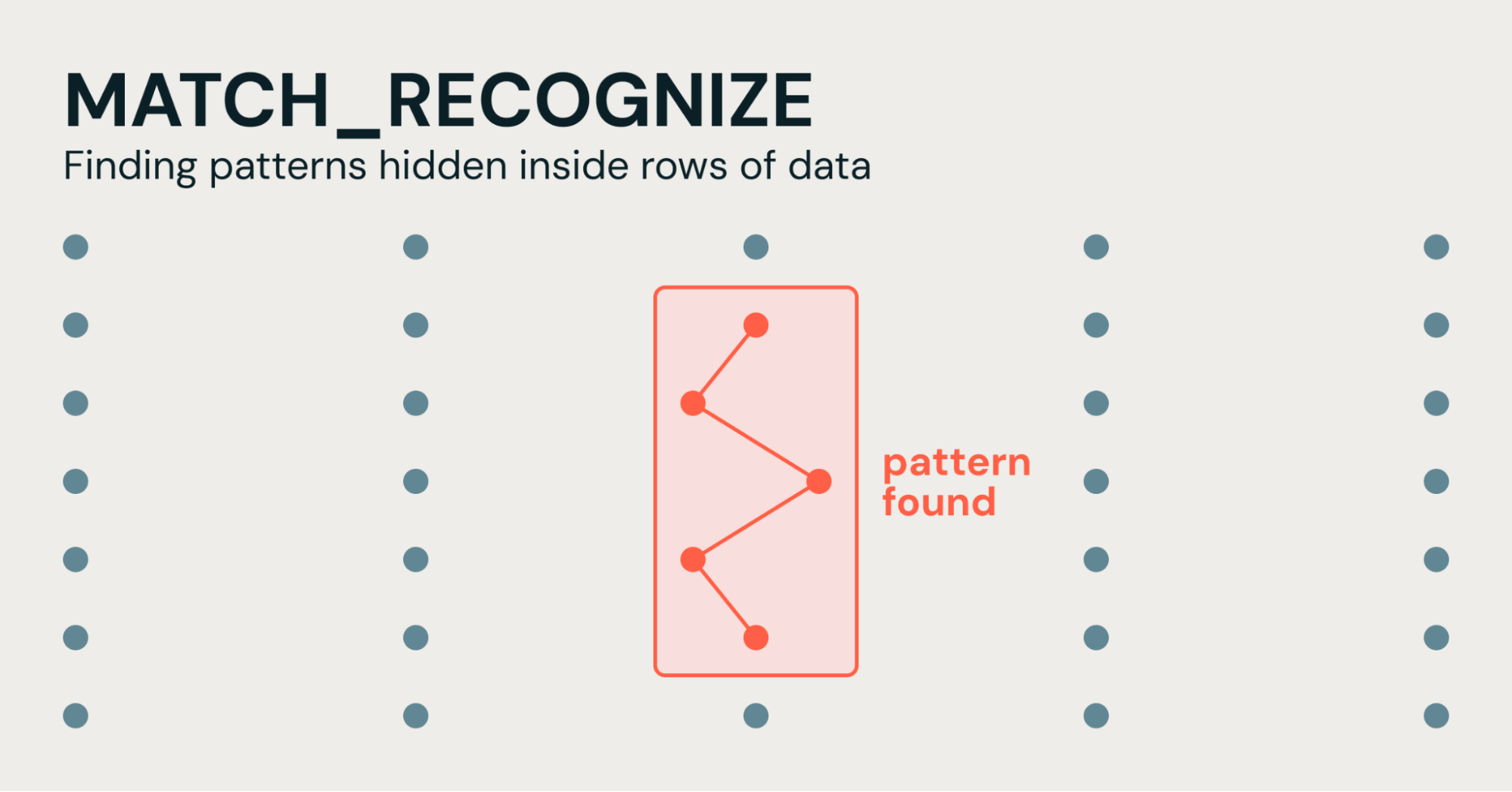
    Databricks announces MATCH_RECOGNIZE, a preview‑only SQL clause that lets you write regex‑style patterns over ordered rows. The post walks through four industry‑level use cases (security login‑failure sequences, V‑shaped stock trends, e‑commerce cart abandonment, IoT sensor‑driven failure prediction) and claims the operator replaces complex CTEs, window functions, and self‑joins. No actual syntax…

    Databricksdatabricks.com5 min
  14. 108

    llm-keys-ui 0.1

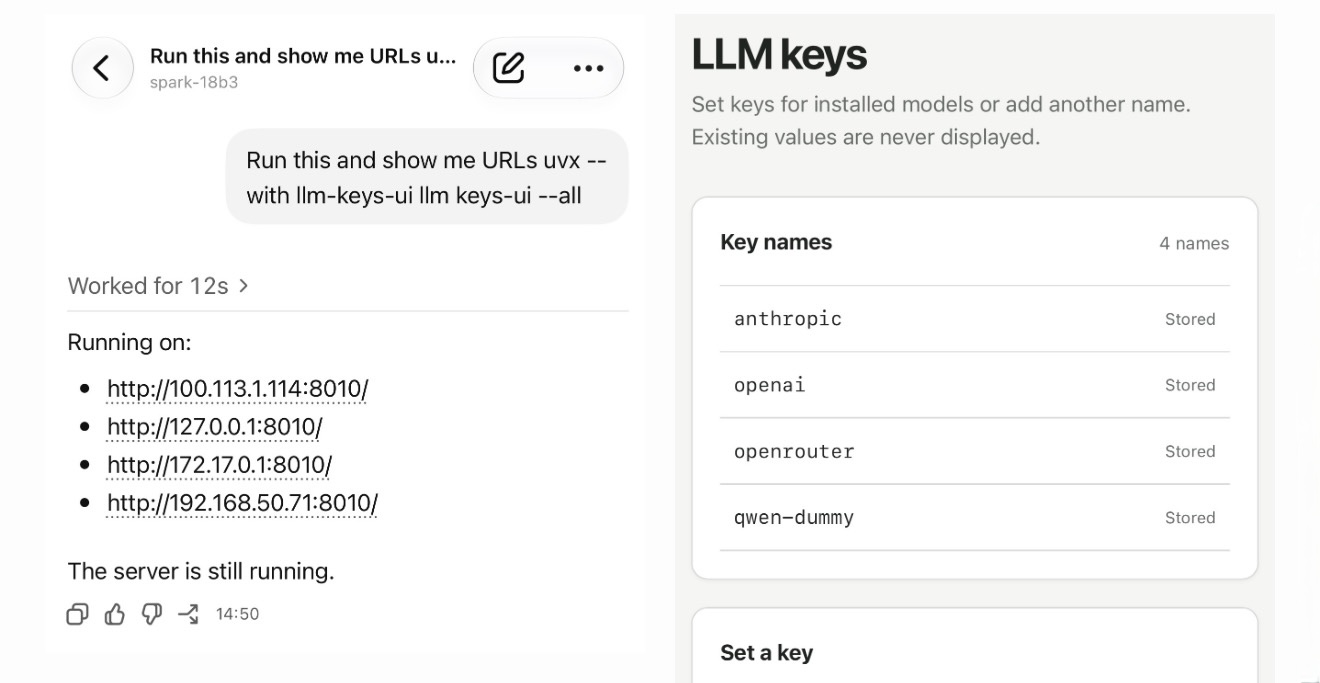
    Simon Willison released llm-keys-ui 0.1, a tiny web UI that lets you store LLM API keys on a remote machine and retrieve them via the llm CLI, avoiding pasting keys into chat sessions. It runs with a single uvx command and exposes local network URLs for access.

    Simon Willisonsimonwillison.net1 minrelease
  15. 109

    Vibe Production-Ready Apps with Auth0 and v0

    Auth0 announced a new integration with the AI‑powered low‑code platform v0 that lets developers generate full‑featured authentication (Auth0 tenant, apps, connections, SDK wiring, B2B orgs, MFA, etc.) directly from prompts, without leaving the v0 workflow.

    Auth0auth0.com3 min
  16. 110

    ClickHouse welcomes RunReveal

    ClickHouse announced it has acquired RunReveal, a security data platform built on ClickHouse, to deepen its expertise in security workloads. The deal promises better guidance for security teams while keeping RunReveal's product unchanged for existing customers.

    ClickHouseclickhouse.com2 minHN7
  17. 111

    datasette 0.65.5

    Datasette 0.65.5 releases with a security fix: a trailing newline in a table name could bypass permissions and expose private rows (GHSA‑h547‑rmjf‑5m2m).

    Simon Willisonsimonwillison.net1 minrelease
  18. 113

    Pragmatic principles for more rights-respecting age assurance architectures

    The article proposes a rights‑respecting approach to age‑assurance, assigning actuation to services, using devices for privacy‑preserving signal creation, offering user choice of providers, and leveraging zero‑knowledge credentials. It argues that policy must enforce open standards and end‑to‑end risk assessment to avoid privacy, security, and competition harms.

    Mozilla Automation Teammozilla.org10 min
  19. 114

    E-Signature Pricing Models That Bite in Production

    The post shows that e‑signature pricing is an engineering constraint and walks through modeling effective cost per completed envelope, preventing duplicate billing with idempotency, and monitoring usage. It includes a JavaScript cost estimator and practical retry handling advice.

    SitePointsitepoint.com6 min
  20. 115

    datasette-auth-github 1.0

    The datasette-auth-github plugin now reaches 1.0, fixing a bug where cookies lacked a Max‑Age attribute and thus expired at session end. The fix ensures longer‑lasting sessions and the release is tested against recent Datasette versions.

    Simon Willisonsimonwillison.net1 minrelease
  21. 116

    Fill an SMS Verification Code Without Reading the Inbox

    Codename One adds a one‑time‑code autofill component that leverages iOS, Android, and browser autofill APIs, eliminating the need for SMS‑reading permissions. The new `PhoneVerification` component handles phone entry, code entry, resend timing, and server callbacks, while the UI uses a single hidden editor to back six visual boxes, improving typing, paste, and accessibility. The post explains the…

    CodeName Onecodenameone.com3 min
  22. 117

    Rootless Jailbreak Detection: Updating the Signals, Not the Claim

    The blog explains how Codename One updated its iOS jailbreak detector to handle modern rootless jailbreaks (e.g., palera1n, Dopamine). It replaces old file‑system probes with lstat checks, mount scans, and dual‑opinion API calls (libc vs raw syscall) to spot hidden bootstraps and instrumentation. It also reorders package‑manager URL‑scheme probes to prioritize Sileo, adds a background‑resume gate…

    CodeName Onecodenameone.com5 min
  23. 118

    Put App Documents in the System File Browser

    Codename One adds a read‑only DocumentProvider API that lets apps publish a virtual file tree to iOS Files and Android’s storage picker. The tree is defined with `DocumentNode` objects, can include remote‑only entries, and is shared via an App Group container. The iOS extension runs in a separate process, so the model is serialized and read independently; Android uses the same model inside the ap…

    CodeName Onecodenameone.com4 min
  24. 119

    Tapjacking Protection: Rejecting Android Touches Behind an Overlay

    Codename One adds tapjacking protection to its Android runtime. It detects fully or partially obscured MotionEvents, offers four policies (OFF, REPORT, BLOCK, STRICT), can block the entire gesture, and on Android 12+ can request the system hide overlay windows. The API is exposed via `DeviceIntegrity.setTapjackingProtection` and a listener for state changes. iOS has no overlay threat, so the feat…

    CodeName Onecodenameone.com3 min
  25. 120

    The Credentials API in Jenkins

    The post explains the motivation behind Jenkins' Credentials API, recounts early design mistakes (duplicated username/password types, over‑reliance on the type system), introduces the “Oracles of Identity” concept, and shows how credential domains let users declaratively bind credentials to the right services.

    Codeshipcloudbees.com12 min