SitePoint17 min readintermediate

Optimizing Gemini 3.8 Flash for Autonomous Coding Agents: Thinking Levels and Tool Fallbacks
Summary
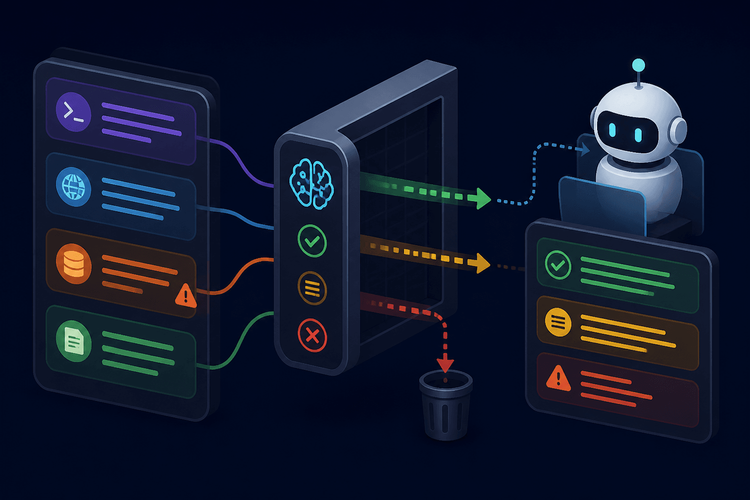
The article shows how to cut latency and token waste in Gemini‑3.8‑Flash coding agents by routing each step to a suitable `thinkingLevel` (low/medium/high) based on a cheap complexity classifier, validating tool‑call payloads with Zod, and retrying failed calls with exponential back‑off. A full TypeScript harness is provided, including middleware, classifier, level mapping, and retry logic.
- Uniform `thinkingLevel` across all steps burns tokens on trivial work and can under‑reason on hard steps.
- A lightweight heuristic (prompt length, tool count, keywords, error history) can classify task complexity into trivial/moderate/complex tiers.
- Map tiers to Gemini `thinkingLevel` values (low, medium, high) via middleware before calling `generateContent`.
- Validate every model‑generated `functionCall` with Zod schemas; reject malformed calls before execution.
Coding agents run many short steps; even a few extra seconds per step multiply into minutes and hundreds of thinking tokens. Dynamically scaling reasoning effort saves cost, reduces latency, and prevents cascading failures caused by hallucinated tool calls.
7/10