proomt

Search

Search posts, papers, and topics

All posts

InfoQPhillip Mortimer28 min readtalkintermediate

Presentation: Complexity and Creativity in Software Engineering

Summary

Phillip Mortimer argues that AI‑generated code makes all software effectively "write‑only" due to volume, and proposes managing this by treating tests as the sole specification, automating code reviews with LLMs, and decoupling intent from implementation.

  • AI can produce massive codebases faster than humans can read, turning code into a write‑only artifact.
  • When code is write‑only, traditional PR reviews become a bottleneck; focus on evaluating behavior (tests, performance) instead of line‑by‑line review.
  • Detailed, high‑coverage test suites become the primary documentation and contract for AI‑generated code.
  • Automate code reviews by using a separate LLM prompt/context; this can catch issues like catastrophic regex backtracking.

As AI code generation scales, engineering teams risk drowning in unreadable code. Shifting quality gates from code inspection to test‑driven validation and AI‑assisted review can keep development velocity while maintaining reliability.

6/10
Related reading

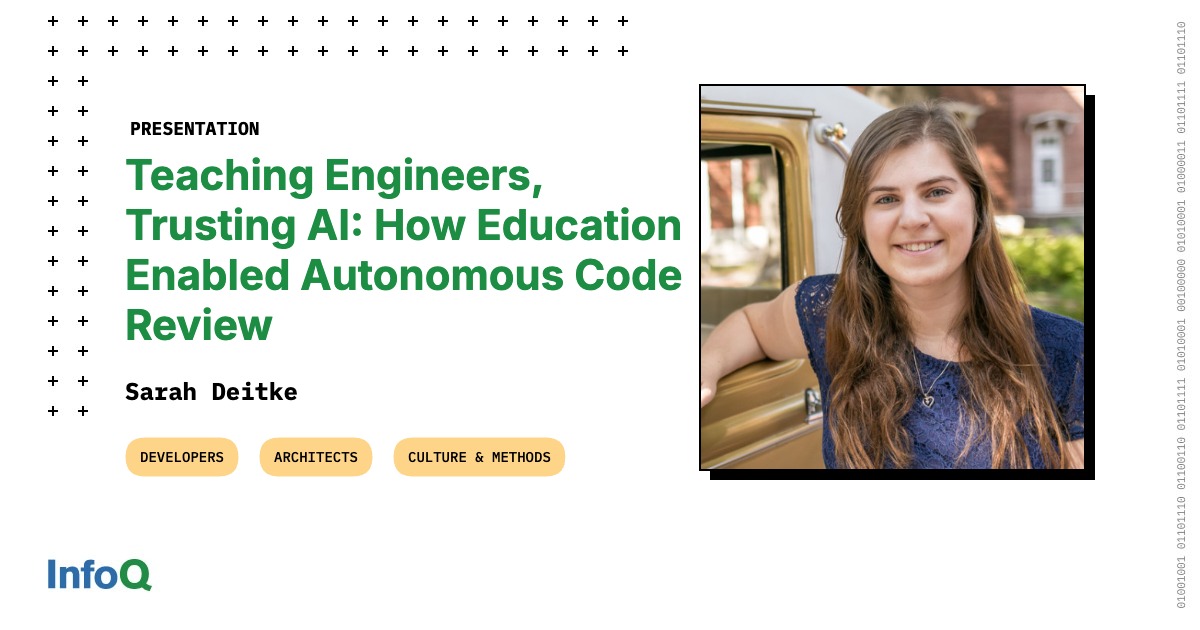
  1. Presentation: Teaching Engineers, Trusting AI: How Education Enabled Autonomous Code Review

    Duolingo’s DevEx AI team built a program of AI‑literacy workshops, observability dashboards, office‑hours, and vendor partnerships to get engineers comfortable with LLM‑based tools. With that foundation they launched a PR‑risk‑assessment bot that auto‑approves low‑risk pull requests, cutting review bottlenecks while keeping defect rates flat.

    InfoQinfoq.com24 mintalk
  2. How Generative AI Is Changing Modern Software Development

    Generative AI tools can assist developers by producing code snippets, tests, documentation, and debugging hints, but their output must be reviewed and validated. Engineers should adopt prompt‑writing skills and maintain core software‑engineering expertise to use AI safely and productively.

    SitePointsitepoint.com4 min
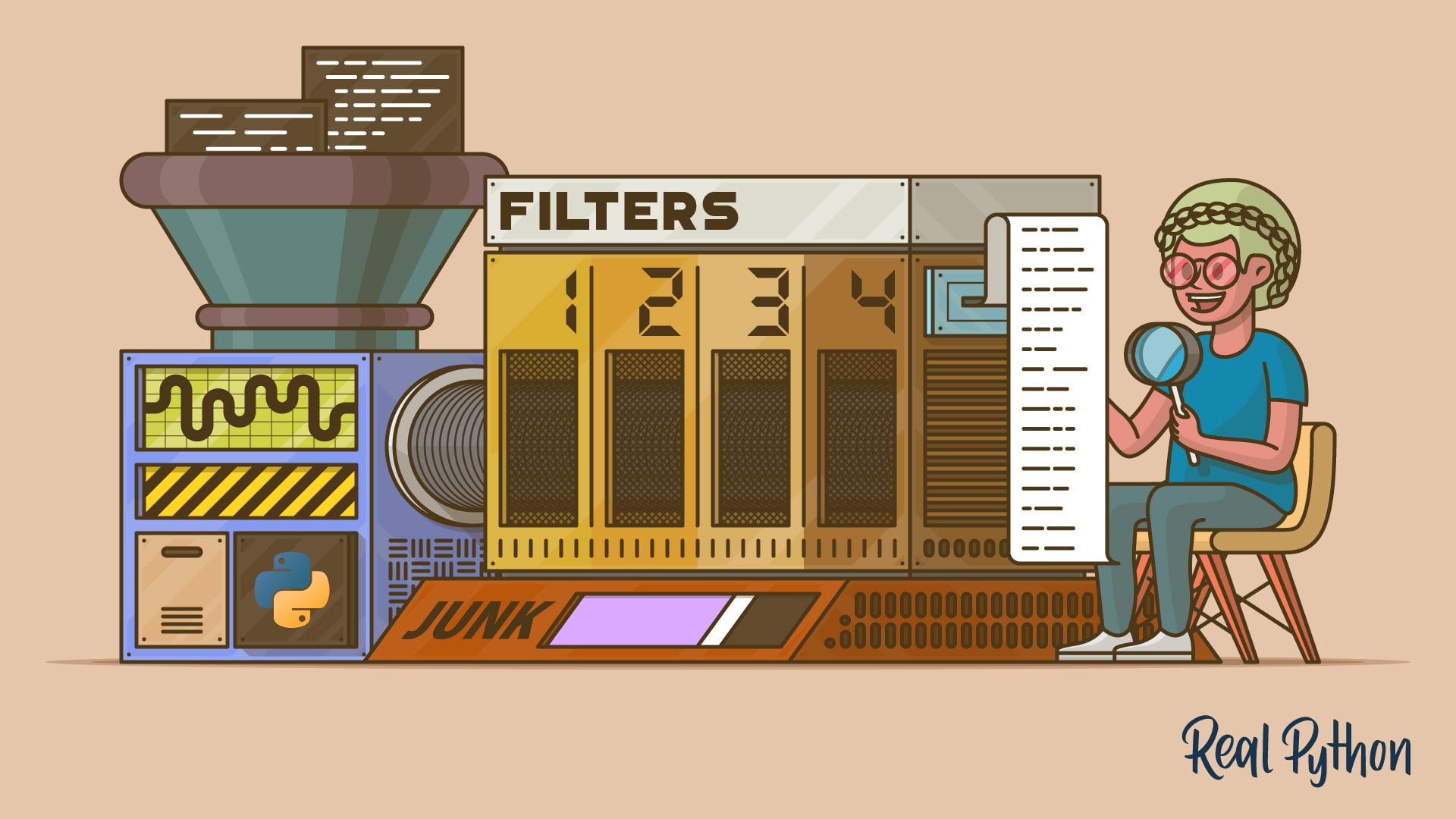
  3. How to Review AI-Generated Python Code Efficiently

    A practical five‑step workflow for reviewing AI‑generated Python code, covering intent clarification, automated quality checks (linters, type checkers, security scanners, tests), risk‑first manual reading, a checklist of common AI mistakes, and fix‑verify loops, plus a ready‑to‑use dev‑environment setup.

    Real Pythonrealpython.com26 min
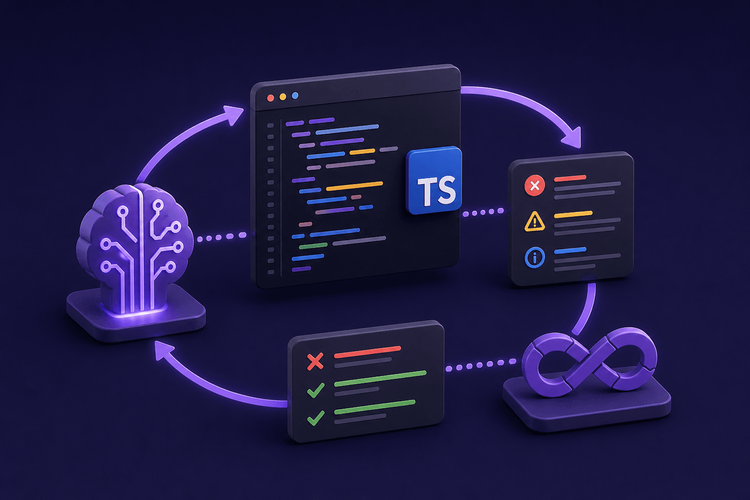
  4. Eliminating AI Code Hallucinations with TypeScript Compiler Diagnostics and TDD Loops

    The article shows how to replace raw TypeScript compiler output with a programmatic JSON feedback loop that merges diagnostics and Vitest test failures, feeding the structured data back to an LLM coding agent for self‑correction. It provides concrete code for extracting, enriching, validating, and de‑duplicating errors, and demonstrates token savings and deterministic iteration until compilation…

    SitePointsitepoint.com15 min